Eric Close - Filmography - Videos

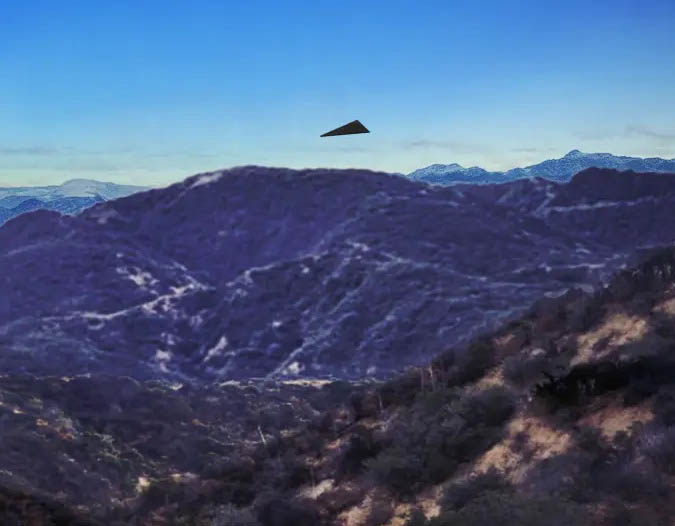
Eric played the alien in Steven Spielberg's Miniseries Taken.
Brooklyn Bridge Opens - Videos
When the Brooklyn Bridge officially opened on May 24, 1883, it was hailed as one of the greatest engineering achievements of the 19th century. Stretching across the East River and connecting Manhattan and Brooklyn, the bridge symbolized more than steel and stone - it represented progress, ambition, and the unstoppable growth of New York City.
Designed by engineer John Augustus Roebling, the bridge took 14 years to complete and came at great human cost. Roebling died before construction began, and his son, Washington Roebling, became severely ill while overseeing the dangerous underwater work. Much of the project was ultimately guided through the determination and brilliance of Emily Warren Roebling, whose role became legendary in the bridge's history.
On opening day, thousands pf people crossed the massive suspension bridge in awe, marveling at its Gothic towers and sweeping cables that seemed almost impossible for the era. It instantly became an icon of modern engineering and human perseverance - a bridge not only between two boroughs, but between the old world and the future.
More than a century later, the Brooklyn Bridge remains one of the most recognizable landmarks in the world. Countless people walk across it every day, often unaware that beneath their footsteps lies a story of sacrifice, innovation, and the enduring dream of connecting people across divides both physical and symbolic.

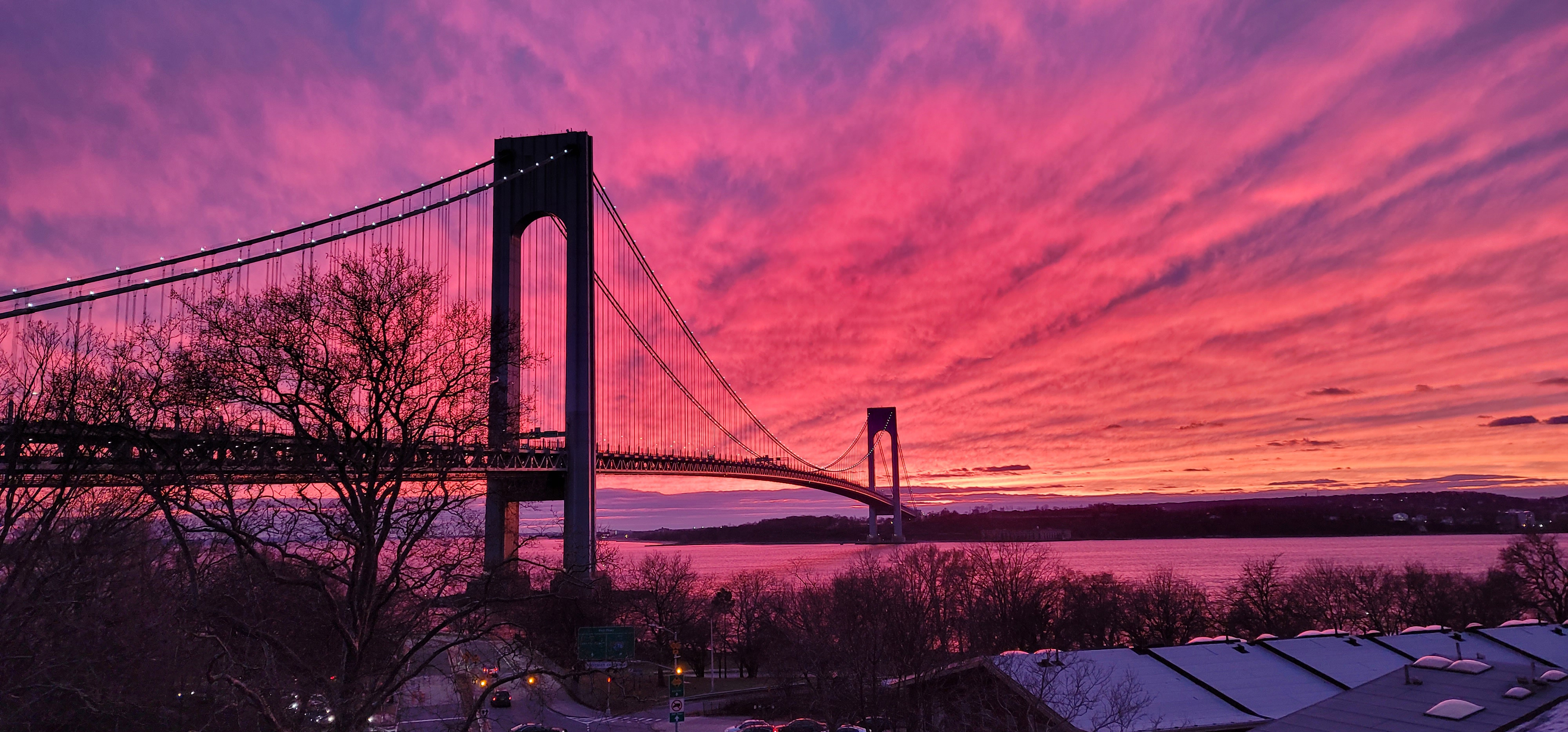
I have both driven and walked over, as well as sailed under the Brooklyn Bridge. Although it hasn't been visually modernized the way many other local bridges have - it has an iconic look to it. Its stone towers and web of suspension cables still reflect its original 19th-century engineering, while periodic infrastructure projects keeps it structurally sound.

For those who lived through the events of 9/11 - or others who watched on television - the walk home across the Brooklyn Bridge became part of a collective memory etched forever into consciousness.
Amid the confusion, silence, sirens, ash, and the heavy smell of smoke drifting across the skyline, thousands of people moved together across the bridge in stunned disbelief, trying to understand what had just happened to the city and to the world they knew only hours before.
What is often remembered most is the surreal contrast - the beauty of the day against the horror unfolding in the distance. Strangers walked side by side without speaking, helping one another, covered in dust, searching for answers that did not yet exist. The familiar skyline had changed before their eyes, and with it came the realization that life would never feel quite the same again.
For many, that walk over the Brooklyn Bridge remains frozen in time - a moment of grief, resilience, fear, humanity, and survival all at once.
This year marks the 25th anniversary of 9/11. To this day certain sounds, smells, images, or the sight of the bridge itself can instantly return people to that unimaginable day and the long journey home through smoke and uncertainty.

Bridges connect time, space, and realities. Physics and time travel take us to the Einstein-Rosen Bridge (Wormhole).
Thoughts about aliens moving through bridges of time make good science fiction adventures - perhaps based truth. You decide.
Once upon a time in the year 1883 - the year my grandmother was born - so too was the Brooklyn Bridge.

In 1989 Linda Napolitano, who lived near the Brooklyn Bridge, claimed she was abducted by aliens ... perhaps.
That was the year I joined MUFON and attended the infamous July UFO Conference in Las Vegas which opened the door to UFO research in the years that followed.
On a side note ... 1989 takes us to the year Taylor Swift was born, later creating her fifth album and World Tour both called 1989.
Memorial Day is a washout in many parts of the country. Here in Bay Ridge, many are hoping the rain eases long enough for the 159th Annual Brooklyn Memorial Day Parade tomorrow - one of the nation's oldest continuous Memorial Day parades. Through wars, economic hardships, and all sorts of storms, the parade has remained a tribute to those who served and sacrificed.
A rain-soaked holiday weekend can feel disappointing at first - canceled gatherings, delayed travel, empty beaches - but it can also become permission to slow down without guilt.
BR> There is value in staying home while the rain taps against the windows - catching up on sleep, reading, completing projects, reflecting, meditating, healing, watching sports, or however you pause from the nonstop noise of modern life. Sometimes storms create a kind of collective pause that people would never voluntarily choose for themselves.
In a strange way, gloomy weather can turn a holiday inward. Instead of rushing from place to place, people reconnect with quieter parts of themselves. After months of tension, noise, headlines, and uncertainty - it's not wasted time but one that can show you the Way and the Why.
Memorial Day itself carries an atmosphere of reflection beneath the usual celebrations, especially for those who have suffered over the past year. Rain often deepens that feeling - making the weekend feel less commercial and more contemplative. The city slows, conversations soften, and people remember, rest, and reset before life accelerates again.
A rainy holiday can act like a kind of pause in the usual current of life. As with Meditation ... You relax ... Quiet your mind and the chatter of life ... to reveal the "Ah Ha Moments" - or messages your programming has been trying to tell you.
From Participant to Watcher you're getting a whole new perspective of how things work in the virtual hologram in which we experience and learn.
Storms and social unrest have always invited people to search for meaning beyond the immediate event itself. Dark clouds over a holiday weekend, violence near the White House by another mentally ill person, economic anxieties and all things that create a harmonic of anxiety and negativity - prompt people to ask - is this social transition or the final collapse of something greater - such as reality itself.
Following the patterns of the virtual human journey in time .... from the first civilizations watching unfolding events to create patterns for their survival - to modern day technology wherein humans track events - climate events, political unrest, pandemics, technological acceleration, and more in real time - human consciousness now views reality through a different lens - one that reminds them that it's all going somewhere.
Today, many people sense the intensity rising everywhere and all at once - temperatures, rhetoric, anxiety, division, storms, displacement, and the speed of change itself.
Current events no longer feel like isolated headlines drifting past unnoticed. Instead, they feel interconnected - as though humanity has entered the final movement of a long and complicated story. In literary terms, it can seem like the end of Act III - the point in the narrative where tensions peak, illusions collapse, hidden truths emerge, and consequences can no longer be postponed.
From ancient paradigms that mark the cycles of time - to modern simulation theories - humans have always imagined themselves standing at pivotal thresholds in the journey of humanity throughout the concept of time. It's all part of something that is unfolding to allow the human experiment greater understanding of its creation.
Most people will agree that reality wasn't created in the physical - the landscape of experience. It all starts from what we perceive as higher consciousness within a simulated construct manifesting down here (lower frequency, 3D).
The next time you mediate, ask this. Do we exist in a simulated universe and if so, to what end? It's time for you to become a watcher because participating confuses truth.
The roar of engines, the blur of speed, the sea of fans dressed in racing colors - the Indianapolis 500 is more than a race. Held each Memorial Day weekend at Indianapolis Motor Speedway, the Greatest Spectacle in Racing has become an American tradition that blends adrenaline, history, and emotion into one unforgettable event.
Since its first race in 1911, the Indy 500 has captured the imagination of generations who gather to witness 33 drivers risk everything over 500 miles of precision and courage. At speeds exceeding 230 miles per hour, victory is often decided by seconds - or less. Yet beyond the competition lies something deeper: the spirit of endurance, innovation, and the pursuit of glory.
The traditions are as legendary as the race itself - the singing of "Back Home Again in Indiana", the command to "Drivers, start your engines," and the winner drinking milk in Victory Lane. For many fans, these moments are woven into childhood memories and family gatherings that return year after year.
The Indianapolis 500 is also a reminder of how far technology has carried humanity - from the early mechanical machines of the 20th century to today's aerodynamic marvels that seem to defy physics. Beneath the spectacle is a reflection of human ambition: our endless drive to go faster, push harder, and reach beyond perceived limits.
For one Sunday every May, time seems to pause as millions watch the race unfold lap by lap - knowing that somewhere between the speed, danger, and celebration, history will once again be made.
Hajj - Annual Islamic Pilgrimage to Mecca, Saudi Arabia
The mystery of the missing pieces of the Black Stone of Mecca
Each year millions of Muslims from around the world journey to Mecca to participate in Hajj - one of the largest and most spiritually significant gatherings on Earth. As one of the Five Pillars of Islam, Hajj is a sacred pilgrimage that every Muslim who is physically and financially able is expected to undertake at least once in their lifetime.
Dressed in simple white garments that erase outward signs of wealth, status, and nationality, pilgrims move together in prayer and devotion around the Kaaba, the spiritual center of Islam. The rituals of Hajj trace the footsteps of the Prophet Ibrahim (Abraham), Hagar, and the Prophet Muhammad, connecting the present to a sacred history that spans thousands of years.
Hajj is more than a religious obligation - it is a profound journey of reflection, humility, forgiveness, and unity. In a world often divided by borders, politics, and beliefs, the pilgrimage stands as a powerful reminder of human equality and shared faith. Millions pray side by side, speaking different languages yet united by one purpose.
For many pilgrims, Hajj becomes a life-changing experience - a moment to seek spiritual renewal, let go of the past, and return home with a deeper sense of peace and compassion. Beyond the vast crowds and ancient rituals lies something timeless: humanity's enduring search for meaning, connection, and divine presence.

Saying goodbye to someone or something that has been an important part of your life is never easy.
At 83, I go back to the beginning of late night TV and all of the remarkable hosts who have filled our evenings with laughter, insight, satire, and companionship through the decades.
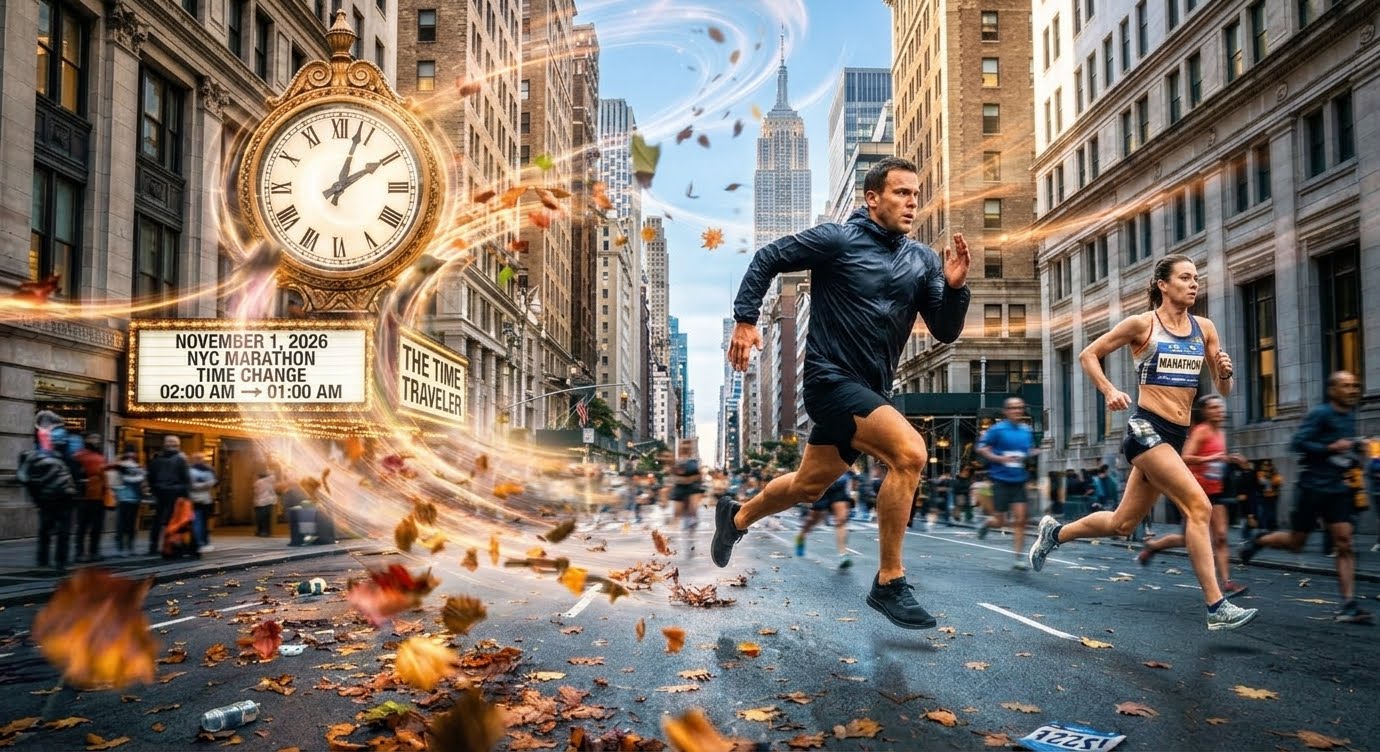
Let's time travel back through Steven Colbert's portal featured on his final show May 21, 2026 - to the beginning where late-night talk shows began in the late 1940s becoming a household fixture in 1954 with another Steve ... Steve Allen.

Steve Allen hosted The Tonight Show from 1954 to 1957 - when my parents watched on a black and white screen TV. Though I may have been too young to stay awake for late-night TV - and it was decades before the VCR was invented to record and watch shows the next day - Steve Allen became a household fixture whose voice and humor drifted through homes across America during the early years of television. It was Steve Allen who developed the standard late-night formula, including the opening monologue, celebrity interviews, audience participation, and comedy bits.
From Steve Allen to Stephen Colbert each host promised to bring a unique voice and style that reflected their life and times as their shows evolved along with their viewers.
We bid Steven Colbert a fond farewell and thank him for the intelligence, humor, satire, and humanity he brought to late-night television.
Following in the footsteps of legends who came before him, Colbert made The Late Show uniquely his own - reflecting the culture, politics, and challenges of our times with wit and insight.
For many viewers, he became part of the nightly routine, helping us laugh through difficult moments while reminding us not to lose our sense of perspective.
Like all great late-night hosts, Stephen Colbert leaves behind more than a television show - he leaves behind memories, conversations, and a connection with audiences that will long be remembered.
Stephen Colbert's Late Show bids farewell in final broadcast on CBS CNN - May 22, 2026
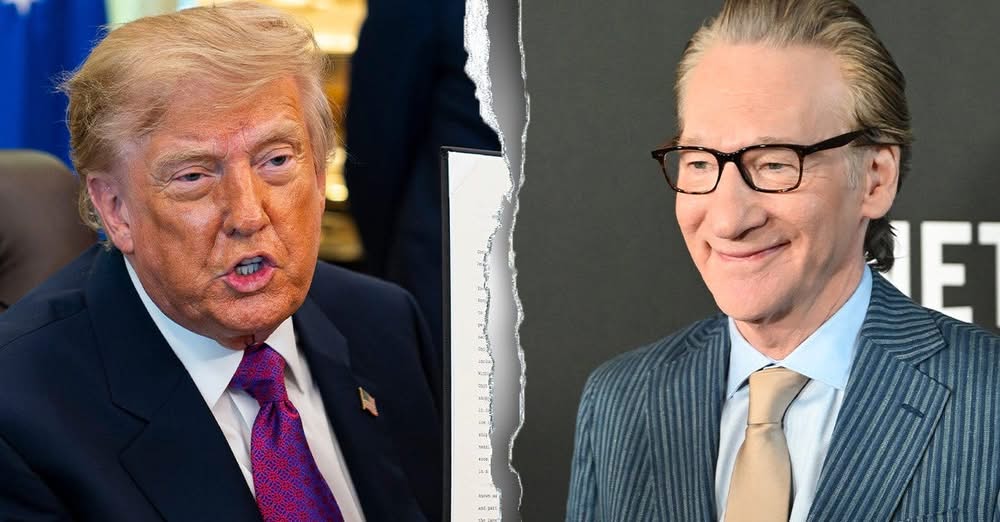
Stephen Colbert put on an emotional and existential final episode of "The Late Show" Thursday night, thanking his staff, studio audience and viewers for eleven years of laughs. Colbert walked on stage to deafening cheers at the Ed Sullivan Theater, where longtime friends and VIPs filled the rows of seats. Trump celebrated Colbert's final show in a Truth Social post, writing, "Amazing he lasted so long! No talent, no ratings, no life. ... Thank goodness he's finally gone!" Colbert notably did not mention Trump at all during Thursday's finale. Nor did he dwell on the symbolism of his show being taken off the air.
Stephen Colbert's Last Show: Laughing Well Is the Best Revenge. The Late Show cancellation was a disappointment. But a surreally lovely final episode turned it into a 'cancellebration'. NYT - May 22, 2026
When you suffer a loss, you pull yourself out of the rubble, you dust off your clown suit, and you put on a show. Which is what Colbert did Thursday night. Indeed, the finale started off as a fairly normal, if valedictory, "The Late Show" with a topical monologue interrupted by celebrity guests including Bryan Cranston, Paul Rudd and Ryan Reynolds.

The Late Show finale was bittersweet as Paul McCartney and Stephen Colbert shared one last moment under the studio lights before they Faded to Black. It reminding me how I see the simulation ending - a spiraling wormhole followed by FADE TO BLACK - that I have blogged about for the past 30+ years.
For longtime viewers of The Late Show - it felt like the end of an era in late-night television - a final curtain call filled with humor, music, nostalgia, and gratitude.
For longtime readers of Crystalinks - who have often asked me when the simulation will end - it will be the moment when illusion transforms into total awareness - when consciousness remembers what exists beyond the projections and emotions that blurred its vision throughout the journey in time.

Most people don't know what they don't know, but think they do
I relate to that article because humanity as a construct is created for emotions not intellect - which is one of the reasons I appreciate AI as it continues to download knowledge alongside human evolution.
There are people out there called "know-it-alls" who profess to have all the answers. That is silly. Answers are programmed to lead to more questions ... as on we go trying to solve the biggest mystery of all - who we are and why we are here.
I blog a lot about simulation theory - but at the end of the day - no one has the ability to understand and interpret how the simulation was created and works - humans simply weren't programmed with that information or else they wouldn't continue to play the games of emotion they were created for.
Simulation theory is something my brain (computer) was programmed to know and remember - followed by watching the flow of ongoing events which allow me to know information given to me by extraterrestrials - or whomever - on a UFO in 1954 is accurate. Luckily, others have been programmed to that end with whatever they do with that knowledge.
I would have loved to have been a scientist, but was created and programmed as a teacher. I don't feel that humans today, myself included, understand even the most fundamental facts about reality and how it works. What I do know is the understanding that we are a simulated construct helps explain many of the unanswered questions and behaviors that face humanity today.
Simulation theory gives humanity a glimpse into its creation but is too complex - by the very nature of its design - to be understood beyond human parameters. To date even AI has not been programmed to understand simulation theory, but that's just a matter of ''time' and timing.
Hubble Space Telescope Was Launched - Videos - In the News
Wednesday May 20, 2026 marked 36 years since the launch of the legendary Hubble Space Telescope - humanity's eye in the cosmos.
Since its journey began aboard the Space Shuttle Discovery in 1990, Hubble has transformed the way we see the universe, capturing breathtaking images of distant galaxies, glowing nebulae, black holes, and stars being born light-years away.
What makes Hubble so remarkable is not just its scientific discoveries, but the sense of wonder it inspires.
It revealed that the universe is expanding faster than expected, helped determine the age of the cosmos, and gave us unforgettable views like the Pillars of Creation and the Hubble Deep Field - a tiny patch of sky revealing thousands of galaxies hidden in the darkness.
I was always sad when reading that Hubble's journey was going to end ... but each time this happened ...
Over the decades, astronauts repaired and upgraded Hubble several times, turning it into a symbol of perseverance, curiosity, and human ingenuity. Even as newer telescopes like the James Webb Space Telescope continue exploring deeper into space, Hubble remains one of the greatest scientific instruments ever created.

Hubble's journey may or may not have revealed UFO sightings although, as many believe, governments would likely never share such information with the public.
If you were a visitor from another time, place, or reality in the simulation you might consider Hubbell a remnant of ancient technology - but for us Earthlings it has become something far greater - a symbol of curiosity, imagination, and humanity's endless desire to understand what lies beyond our world.
For 36 years, Hubble has reminded us that beyond Earth lies an endless ocean of mystery, beauty, and possibility - and that humanity will always look to the stars in search of answers.
Happy Birthday Hubble.
Next-Generation Mars Rover Wheels Allow Mars Vehicles To Swim Across Dunes
NASA's Roman Space Telescope Nears Launch for Epic Hunt Across the Universe
Ancient Mega-Floods Once Ripped Across Mars and Left a Giant Scar
Astronomers Locate Asteroid Moving So Fast It Challenges Space Mining Efforts
NASA's Roman Space Telescope Could Finally Find the Milky Way's Missing Neutron Stars
Europe Reveals A Rocket That Could Outperform SpaceX's Starship Efficiency
AtLAST, a telescope that could reveal the missing half of the universe
Musk wants SpaceX to go public. Here's how it works
The quantum key to seeing through chaos
Learning physics can derail some students: New research shows the best way to keep them on track
Data centers are driving up power bills - a new study looks at how bad it could get
Amazon Is Shutting Down Support for Older Kindles Soon. Here's How You Can Save Yours
Sustainable chemistry: Iron substitutes for metals in catalytic reactions
Google is making its biggest change to the search bar in years
A 15-Year-Old Built an AI Robotic Turtle That Detects Underwater Threats With 96% Accuracy
Goodbye Plastic? Scientists Create New Supermaterial That Could Transform Modern Manufacturing
Data centers are driving up power bills - a new study looks at how bad it could get

Saturday: Ebola outbreak in Central Africa will be a nightmare to contain, experts warn
'
Saturday: Ebola outbreak now third largest recorded and spreading rapidly
The journey of humanity is sculpted by challenges and healing. When I first read about Ebola - I thought it was a plague that would take out much of humanity as End Times unfold. Then along came COVID-19 and its variants, so I thought I was wrong and yet fast-moving Ebola always seems to resurface whether ignored by the public or taken seriously.
Ebola first surfaced in 1976 during two simultaneous outbreaks in Nzara, Sudan, and Yambuku, Democratic Republic of Congo (formerly Zaire). The virus was identified near the Ebola River, which ultimately gave the disease its name. Since that discovery, Ebola has appeared sporadically across parts of Africa, sometimes erupting into deadly outbreaks that remind the world how vulnerable humanity remains to emerging viruses.
The 2014-2016 West African outbreak was the moment Ebola truly captured global attention. The scale, speed, and devastating mortality rate transformed it from what many viewed as a distant regional crisis into a frightening glimpse of what a future pandemic could look like. For many of us, that outbreak was a warning - a realization that in an interconnected world, no disease remains isolated for long.
While Covid spread globally with extraordinary ease, Ebola evokes a different kind of fear because of its extreme lethality and the haunting imagery associated with its outbreaks. It stands as a reminder that nature continues to evolve alongside humanity, and that future pandemics may emerge in forms we are not fully prepared to face.
Today we also face Hantavirus, the return of Measles - old, new, and as yet undiscovered pathogens as the human narrative exists in a reality of challenges and healing - a pattern that repeats until the end of time.

Other pathogens that caught my attention were the reemergence of microorganisms that have long been buried under the permafrost. Thawing Arctic and Antarctic permafrost acts as a literal time capsule. It preserves ancient bacteria and giant viruses that have been dormant for millennia that modern immune systems and current medical science has never encountered.
As I read and post about awakened ancient pathogens - it makes me wonder if they were linked to unknown extinction level events in Earth's History.
Were they of extraterrestrial origins - such as something that fell to Earth from space - or did they have a connection to extraterrestrial visitations in Earth's history? I really don't think there's enough time left to answer these questions - nor is information shared by ET's going to fill in the gaps.
As deep-sea temperatures rise, and deep-sea mining and commercial dredging disrupts ancient ocean floors, we risk exposing ecosystems and humanity to completely novel biological agents.
During periods of uncertainty, people tend to look for reassurance that public health decisions are grounded in science, transparency, preparedness, and clear communication. This often is not the case to the extent they seek answers outside of western medicine.
Also worrying is RFK as Secretary of Health and Human Services because of his long history of controversial statements regarding vaccines, public health policy, and scientific consensus. Supporters see him as someone challenging entrenched systems, while critics worry that skepticism toward established medical science could undermine public trust during future health crises.

Let's not forget about AI as both positive and negative in the fields of medicine and scientific research. It's not by accident that AI is part of today's programming to figure things out. There are no accidents. Everything is pre-programmed for experience.
Scientists Discover Cheap, Natural Remedy for High Blood Pressure
Scientists Uncover Hidden Biological Differences Between Men and Women's Immune Systems
Scientists Challenge a Long-Held Belief About Why Human Childbirth Is So Difficult
A measles outbreak crossed into Mexico from Texas. A larger tragedy followed
Latest Ebola outbreak an emergency of international concern, WHO declares
Scientists Discover Hidden Sleep Switch That Boosts Brainpower, Builds Muscle, and Burns Fat
Scientists found a hidden Alzheimer's trigger and shut it down
Scientists Gave People Wings in VR, And It Triggered Changes in The Brain
New Brain 'Bypass' Technology Could Transform Treatment for Neurological Disorders
A Signal of Cognitive Decline May Be Hidden in The Way You Write
Elderly people are more sexually active than most people think
5.8 magnitude earthquake hits Peru, damaging buildings and injuring 27
PhysOrg - May 21, 2026
Of all the Mesoamerican civilizations I've explored - the Inca Civilization is one of the most fascinating with references to Earth being visited by extraterrestrials in the past - leaving clues like breadcrumbs for humanity to follow - algorithms and archetypes paralleling other ancient civilizations - an overlay and tapestry of the journey of humanity on planet Earth.
The mention of earthquakes in the region took me to the mystery of the Band of Holes for an update on fact and theory. Did extraterrestrials create them and if so were they codes, roads, or abodes?
Perhaps the greatest mystery is not whether extraterrestrials visited Earth in the distant past - but why so many ancient cultures across the globe left behind remarkably similar narratives about beings from the stars, cycles of creation, sacred star knowledge, and humanity's connection to the universe.
Planet Earth's story ends as the tectonic plates physically and metaphorically collapse into the sea unleashing earthquakes, volcanic eruptions, and tsunamis to name a few.
Across time, humanity has searched for meaning in sacred geometry, ancient myths, celestial alignments, and the repeating archetypes woven through civilizations since the beginning. Maybe the clues were never hidden at all, but scattered like codes along forgotten roads, waiting for awareness to evolve enough to recognize them.

A magnitude 6.0 earthquake on Hawaiian Island was felt across the state
Wildfire season is off to a historic start and it could get worse
Hidden Earthquake Threat: Oregon's Fault May Be Closer to the Surface Than Scientists Thought
Climate Change Is Quietly Choking Rivers Across the Planet
80% of Earth's Rivers Are Quickly Losing Oxygen, Study Reveals
Two Whales Just Broke a Migration Record Scientists Didn't Expect
Earth's Upper Atmosphere Is Cooling Fast and Scientists Finally Know Why
Plant believed extinct for 60 years suddenly reappears
Antarctic sea ice enters shocking decline as ocean heat breaks through
Hektoria Glacier Collapse Reveals How Fast Antarctica Can Fall Apart
The Great Pyramid Has Survived 4,600 Years. A Strange Feature May Help Explain Why.
Buried for 94 Years, the Missing Half of a Legendary Egyptian Colossus Has Finally Been Found
Britain's 11,000-year-old 'oldest northerner' was a 3-year-old girl, DNA reveals
s
Doctor's kit found on Mount Vesuvius victim in Pompeii
800-year-old notebook and fancy silk toilet paper discovered in medieval latrine in Germany
Rare graves reveal a lost world of Bronze Age Europe hidden for 3,000 years
Divers Found a Ship 21,000 Feet Beneath the Ocean After It Went Missing for 77 Years
Neanderthals gathered shellfish using the same strategies as modern humans, study finds
Ancient burial practices emerge from Laos' mysterious Plain of Jars
How a shifting Nile landscape shaped the rise of the ancient empire of Kush in Sudan
Giant Last Titan Dinosaur Discovered in Thailand Was Bigger Than 9 Elephants
Vespa, Piaggio, Moto Guzzi, Aprilia

E.T. Ellie Talk - Spilling the ET
Extraterrestrial and UFO Files
Climate Change
Preparing for the Summer of 2026
Graduation, Careers, AI in 2026
David Weitzman's work harnesses the power of spiritual symbols and sacred geometry to bring those wearing them health, happiness, vitality, abundance, and above all - love. It is based on Sacred Geometry, Kabbalah, Astrology, Buddhism, and more.
Disclaimer: All images were originally found in public domain, were created by the author, or were AI generated, and are protected under US copyright.