Lakes on Earth ... Extraterrestrial Lakes


Planet Earth has thousands of lakes, some natural, some artificial. In some parts of the world lakes have formed due to chaotic drainage patterns left over from the last Ice Age. All lakes are temporary over geologic time scales, as they will slowly fill in with sediments or spill out of the basin containing them.

Lakes are artificially constructed for industrial or agricultural use, for hydro-electric power generation or domestic water supply, or for aesthetic or recreational purposes.

Finland is known as The Land of the Thousand Lakes (187,888). Minnesota is known as The Land of Ten Thousand Lakes.

Sometimes a lake will disappear quickly. On June 3, 2005, in Nizhny Novgorod Oblast, Russia, Lake Beloye vanished in a matter of minutes. News sources reported that government officials theorized that this strange phenomenon may have been caused by a shift in the soil underneath the lake that allowed its water to drain through channels leading to the Oka River.

Global warming affects everything, including lakes.


Extraterrestrial Lakes


Since Crystalinks deals with most topics linked to ETs, let's talk about Extraterrestrial lakes linked to ETs here on planet Earth and those far away.

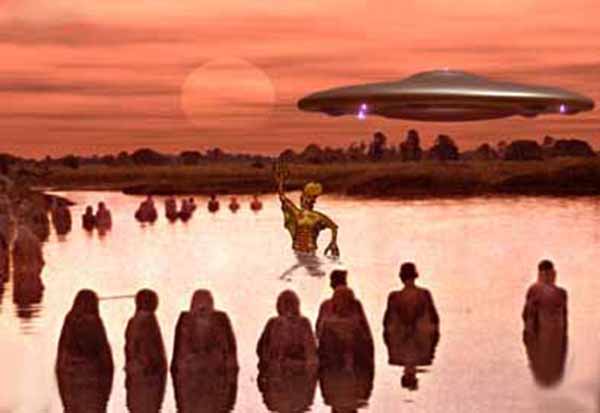
Many believe there are subterranean alien bases under lakes and oceans. UFO's are seen rising form the water by locals in places such as Lake Titicaca, where legends of ancient astronauts who visited the planet thousands of years ago, are common.

-

Mythology

Amphibious Gods

Sumerian Gods

Dogon Nommo

-

Off planet we find ... If gobble warming affects the changing face of Earth's lake, could it be happening across the solar system as all things are connected? Researchers wonder if lakes in other worlds can support life, even microscopic or something we know nothing about. As science and science fiction merge, answers will come.

-


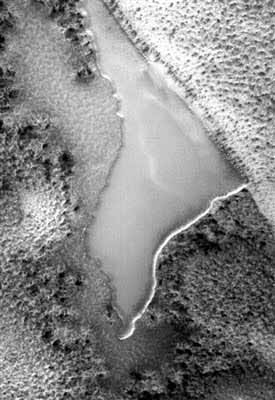
At present the surface of the planet Mars is too cold and has too little atmospheric pressure to permit the pooling of liquid water on the surface. Geologic evidence appears to confirm, however, that ancient lakes once formed on the surface. It is also possible that volcanic activity on Mars will occasionally melt subsurface ice, creating large lakes. Under current conditions this water would quickly freeze and evaporate unless insulated in some manner, such as by a coating of volcanic ash.

-
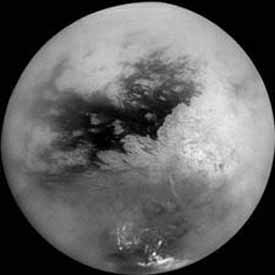

Only one world other than Earth is known to harbor lakes, Saturn's largest moon, Titan. Photographs and spectroscopic analysis by the Cassini-Huygens spacecraft show liquid ethane on the surface, which is thought to be mixed with liquid methane.

-
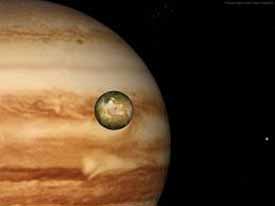

Jupiter's small moon Io is volcanically active due to tidal stresses, and as a result sulfur deposits have accumulated on the surface. Some photographs taken during the Galileo mission appear to show lakes of liquid sulfur on the surface.

-
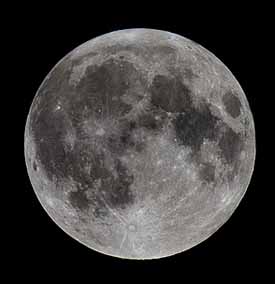

There are dark basaltic plains on the Moon, similar to lunar maria but smaller, that are called lacus (singular lacus, Latin for "lake") because they were thought by early astronomers to be lakes of water.


ELLIE'S ARCHIVES 2010


ELLIE'S ARCHIVES


ELLIE'S WORLD BLOG


ALPHABETICAL INDEX


CRYSTALINKS HOME PAGE


PSYCHIC READING WITH ELLIE


2012 THE ALCHEMY OF TIME