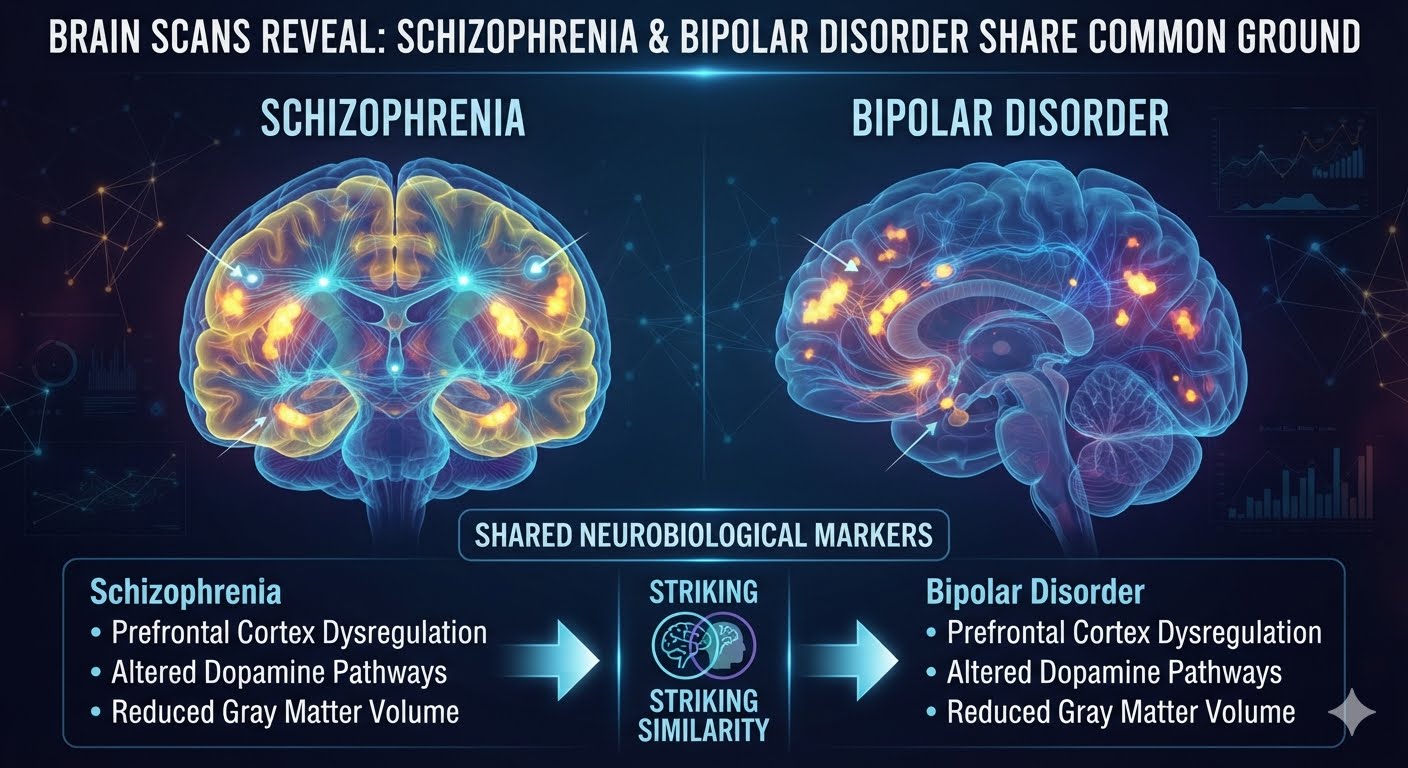
Brain Scans Reveal a Striking Similarity Between Schizophrenia And Bipolar Disorder Science Alert - August 21, 2026
Schizophrenia can affect how a person perceives reality, thinks, and communicates, sometimes causing hallucinations, delusions, disorganized thinking, reduced motivation, and cognitive difficulties. Bipolar disorder primarily involves episodes of extreme changes in mood and energy, including mania and depression. Some people with bipolar disorder also experience psychosis, which can make the two conditions difficult to distinguish. Now, a study has revealed another similarity.
Scientists Found The Driving Force Behind Your Darkest Impulses, And It's More Widespread Than Thought Science Alert - July 8, 2026

Psychologists call it the dark triad: an intersection of three of the most malevolent tendencies of human nature - psychopathy, narcissism, and Machiavellianism
Schizophrenia And Bipolar Disorder Share 70% of Their Genetic Roots, Landmark Study Finds Science Alert - July 7, 2026

Researchers are beginning to realize that even vastly different psychiatric disorders can share startlingly similar genetic roots. Eight different psychiatric conditions all shared a common genetic basis. By identifying what is shared across these disorders, we can hopefully come up with strategies to target them in a different way that doesn't require four separate pills or four separate psychotherapy interventions.
Scientists discover the brain chemical that helps you break bad habits Science Daily - June 8, 2026

Scientists have uncovered a key brain signal that helps us break old habits and adapt when circumstances suddenly change. By watching mice navigate a virtual maze, researchers found that disappointment - when an expected reward failed to appear - triggered a surge of the neurotransmitter acetylcholine, making the animals more likely to try a new strategy. When acetylcholine was blocked, the mice became less flexible and were more likely to stick with outdated choices.
Experts Say People Who Constantly Apologize for Things That Aren't Their Fault May Not Be Overly Polite. It's a Learned Childhood Survival Reflex SciTech Daily - May 15, 2026

I apologized when someone bumped into me. I apologized when the barista handed me the wrong drink. I apologized when my friend arrived late. None of it was my fault, and I'd been awake for ninety minutes. That morning, for the first time in roughly forty years, I noticed what I was doing. The apologies had been on autopilot since childhood. The noticing felt like a revelation. Why am I saying sorry, I thought. None of this is mine.
New Therapy Rewires the Brain To Restore Joy in Depression Patients SciTech Daily - May 12, 2026

Anhedonia reduces the ability to feel joy and affects nearly 90% of people with major depression. Most conventional therapies do little to treat it. Most people think of depression as a disorder defined by sadness. For millions of patients, however, one of the most disabling symptoms is different: a reduced ability, or complete inability, to feel positive emotions. Anhedonia affects nearly 90% of people with major depression. It is linked to longer and more severe illness, makes recovery harder, and is a major predictor of suicidal behavior. It also occurs in anxiety disorders, PTSD, substance use disorders, and schizophrenia, yet most standard therapies do not directly treat it.
Scientists Uncover Brain Changes That Link Pain to Depression SciTech Daily - April 13, 2026

Researchers have identified a brain mechanism that may determine why chronic pain leads to depression in some individuals but not others. The findings suggest the brain initially adapts to persistent pain, but subtle changes over time can shift this balance toward emotional decline
Psychology Says People Who Clean as They Cook Display These 8 Superior Personality Traits Daily Galaxy - March 7, 2026

When a person practices the clean as you cook habit, they are effectively managing their cognitive load. A cluttered workspace forces the brain to process excess visual information, which can lead to fatigue during complex tasks.
Several Psychiatric Disorders Share The Same Root Cause, Study Suggests Science Alert - January 27, 2026
Researchers have discovered that eight different psychiatric conditions share a common genetic basis. Many of these variants remain active for extended periods, potentially influencing multiple developmental stages - and offering new targets for treatments that could address several disorders at once.
Disappointment alters brain chemistry and behavior, mouse study shows Medical Express - December 17, 2025
The brain mechanisms behind changing behaviors have remained elusive, because adapting to a given scenario is very neurologically complex. It requires interconnected activity across multiple areas of the brain.
The brain switch that could rewrite how we treat mental illness Science Daily - December 13, 2025
Research into stress, addiction, and resilience has revealed biological mechanisms that help explain why some people recover quickly while others struggle. These discoveries are shifting mental health science toward approaches that enhance natural strengths.
Unlocking the Brain's Secret Defense Against Stress ScienceTech Daily - December 9, 2025
Scientists discover first gene proven to directly cause mental illness Science Daily - December 2, 2025
Scientists have discovered that a single gene, GRIN2A, can directly cause mental illness - something previously thought to stem only from many genes acting together. People with certain variants of this gene often develop psychiatric symptoms much earlier than expected, sometimes in childhood instead of adulthood. Even more surprising, some individuals show only mental health symptoms, without the seizures or learning problems usually linked to GRIN2A.
Brain Cells Behind Depression Identified for the First Time SciTech Daily - September 22, 2025
Research on rare post-mortem brain tissue shows changes in gene activity, offering new insight into the biological basis of depression
Should you use ChatGPT as a therapist? Tool raises safety concerns among psychology experts Medical Express - September 15, 2025

While some credit the AI service with saving their life, others say the lack of regulation around it can pose dangers. Psychology experts from Northeastern said there are safety and privacy issues posed by someone opening up to artificial intelligence chatbots like ChatGPT.
Many of these souls were born from 1998 and on where the grids that create the illusion of this reality started to fracture leading to Autism, being on the Autism Spectrum, and other mental health and social issues. Their brains are programmed differently with a connection to technology and AI and a knowing about how broken the simulation is and where it's headed.

The midlife crisis is over, but something worse took its place Science Daily - September 2, 2025

Misery Is Spiking in One Age Group, Overshadowing The Mid-Life Crisis - Gen Z Has Mental Health Issues Science Alert - September 2, 2025

Our genomes are peppered with DNA segments called retrotransposons that can move from place to place. When unleashed, some can kill nerves and promote inflammation - a discovery that may inspire treatments for neuro-degeneration.
Ghosted by a friend? Four expert tips on how to handle the hurt PhysOrg - July 24, 2025

When we talk about "ghosting," we usually think it relates to dating. But what happens when you've been ghosted by someone you've known for years - your childhood best friend, a parent, a child? These disappearances can be harder to explain, and even harder to heal from. It's also surprisingly common. For instance, one study showed 38.6% of people have been ghosted by a friend. So why do people ghost those closest to them? What impact does it have on those left behind? How do you begin to move on?
Ghosting is when someone abruptly, or gradually, cuts off all communication without explanation. Whether it's a friend, family member or love interest, the signs are much the same - messages left on read or calls ignored. Sometimes you're blocked. Ghosting doesn't just happen online. It can also play out in person, when someone deliberately ignores you - avoiding eye contact, refusing attempts to engage in conversation, pretending you're not there. Unlike relationships that gradually wither over time, or end abruptly after an argument, ghosting is a one-sided withdrawal from a relationship that happens without closure. For the person left behind, it can feel like grief.
"Bibliotherapy" - When reading can - and can't - help with mental health BBC - June 17, 2025

Bibliotherapy - also referred to as book therapy, reading therapy, poetry therapy or therapeutic storytelling - is a creative arts therapy that involves storytelling or the reading of specific texts. It uses an individual's relationship to the content of written material as therapy. Bibliotherapy partially overlaps with, and is often combined with writing therapy - journaling, poetry, short stories, novels and other forms of creative expression. Most writer's first work is a catharsis of their emotional journey in physical reality.
For those who identify as visual learners - one can empathize with fictional characters in much the same way by watching films, etc. This helps to understand why people relate to sophomoric comedies or melodramatic productions to work through their emotions - the manner in which humans are programmed to learn, process, and heal.
Night Owls Face Higher Depression Risk. A New Study Explains The Link. Science Alert - March 27, 2025

People who are late to rise and late to sleep are at higher risk for depression. The study determined the chronotype - a term used to categorize the variations that people's natural sleep-wake cycles can take - of 546 undergraduate students in an online questionnaire.
Several Psychiatric Disorders Share The Same Root Cause, Study Reveals Science Alert - February 9, 2025

Researchers recently discovered that eight different psychiatric conditions share a common genetic basis. They found many are active for longer during brain development and potentially impact multiple stages, suggesting they could be new targets to treat multiple conditions.
FDA approves Johnson & JohnsonÕs nasal spray for depression as stand-alone treatment CNBC - January 23, 2025

The spray, called Spravato, is now the first-ever stand-alone therapy for treatment-resistant depression, which is when trying at least two standard treatments does little to nothing to improve depression symptoms in a patient. Spravato is on its way to becoming a blockbuster product, with the drug bringing in $780 million in sales during the first nine months of 2024 as doctors grow more comfortable using it.
Eight psychiatric disorders share the same genetic causes, study says Medical Express - January 23, 2025
Psychiatric disorders often overlap and can make diagnosis difficult. Depression and anxiety, for example, can coexist and share symptoms. Schizophrenia and anorexia nervosa. Autism and attention deficit/hyperactivity disorder, too. But, why?
Depersonalization Disorder Wherein Everything Feels Like A Dream Science Alert - January 20, 2025

Common descriptions include being stuck in a bubble, trapped behind a pane of glass, or viewing the world from very far away. People also describe a feeling of unfamiliarity, as if their own thoughts and memories - even their own body - belonged to someone else. Unsurprising, then, that people experiencing depersonalization disorder spend many hours ruminating on what could have caused these odd sensations, why they recur, and what they can do to stop them.
We Finally Know Why Some People With Schizophrenia Hear Voices Live Science - October 3, 2024
People with schizophrenia who hear voices in their head may be experiencing the results of ÒnoisyÓ signaling produced by the brainÕs motor system. As counterintuitive as this seems, the new discovery could be a game changer for scientists working on treatments for auditory hallucinations as it suggests that the target may lie outside of the auditory system itself. Though not everyone with schizophrenia has such hallucinations, some patients do struggle to differentiate between their own thoughts and external voices, thus leading to the belief that some of their mental narratives are being spoken by an unseen individual.
Psychologist Explains How to Stop Using Food as a Coping Mechanism Science Alert - September 29, 2024

"Emotional eating" refers to the eating behaviors (typically eating more) that occur in response to difficult emotions. Research shows around 20 percent of people regularly engage in emotional eating, with a higher prevalence among adolescents and women. In a study of more than 1,500 adolescents, 34 percent engaged in emotional eating while sad and 40 percent did so while anxious. Foods consumed are often fast-foods and other energy-dense, nutrient-poor convenience foods.
Feeling Happy And Sad? Here's How Our Brains Manage Mixed Emotions Science Alert - September 25, 2024
A research group found that volunteers' physiological responses - such as heart rate and skin conductance - display unique patterns during experiences that are both disgusting and funny, compared with either category separately.
This takes us to mental illness and autoimmune diseases.
Neurological Conditions Are Now The Number 1 Cause Of Ill Health Worldwide IFL Science - March 18, 2024
Using data from the 2021 edition of the Global Burden of Disease, Injuries, and Risk Factors Study (GBD), researchers examined the impact of 37 different neurological conditions - including stroke, AlzheimerÕs disease, and meningitis Ð on ill health, disability, and premature death across the world. This was measured in whatÕs known as disability-adjusted life years (DALYs) aka how many years of healthy life were lost as a result of the neurological conditions. The researchers found that between 1990 and 2021, the global number of DALYs caused by neurological conditions had increased by 18 percent, from around 375 million to 443 million.
Scientists Discovered a 'Fear Switch' in The Brain, And How to Turn It Off Science Alert - March 15, 2024
There are times when fear isn't an appropriate reaction. In cases such as anxiety disorders and stress disorders, the fear response can become disproportionate to the situation or environment of the individual, seriously impeding mental health and quality of life.
Aging And Schizophrenia Share Striking Similarities in 2 Types of Brain Cells Science Alert - March 14, 2024
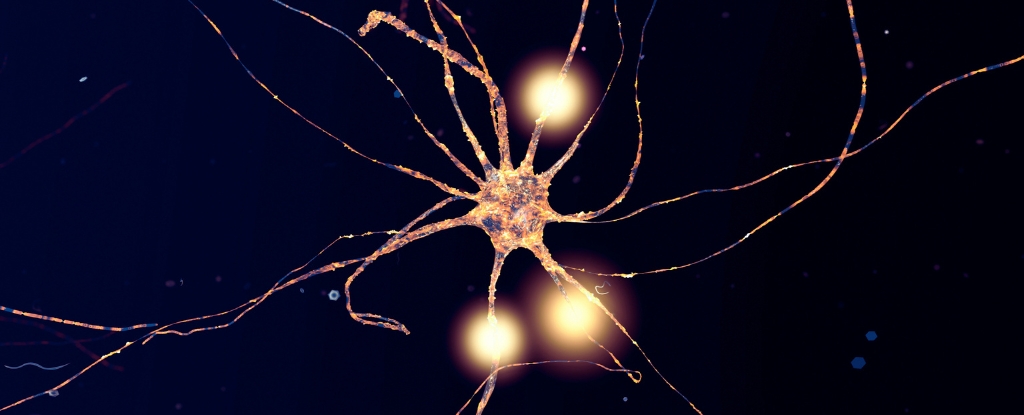
US researchers examined gene expression in more than a million brain cells collected post-mortem from 191 donors. Those with schizophrenia and older adults were found to have a comparatively reduced expression of specific genes in both neurons and supporting cells called astrocytes. These cell types are not acting as independent entities, but have really close coordination. The scientists named these synchronized changes Ð involved in communication hubs called synapses - the Synaptic Neuron and Astrocyte Program (SNAP).
Many people with schizophrenia have stable cognition over 20 years Medical Express - February 15, 2024
Researchers found that 30.5 percent of patients had a declining course of neurocognition, 49.2 percent had a stable course of neurocognition, and 20.3 percent experienced improvements in neurocognition. At the 20-year follow-up, good cognitive functioning was significantly associated with higher levels of social functioning. Increasing experiential negative symptoms at follow-up were significantly correlated to cognitive worsening. Declining neurocognition was predicted by younger age at inclusion and a low level of education (less than 10 years).
Brain cells, interrupted: How some genes may cause autism, epilepsy and schizophrenia - October 2, 2023
A team of researchers has developed a new way to study how genes may cause autism and other neuro-developmental disorders: by growing tiny brain-like structures in the lab and tweaking their DNA. These "assembloids," could one day help researchers develop targeted treatments for autism spectrum disorder, intellectual disability, schizophrenia, and epilepsy
The human experiment is about the study of emotions through linear time. Empathy with others and groups is part of the process - further allowing people to vent frustrations with others of like mind (programing).
Many turn to conspiracy theories to fulfill deprived motivational needs and make sense of distress and impairment Science Alert - July 17, 2023
A new review adds to growing evidence that there are many complex reasons why people believe in conspiracy theories, contrary to the cliche that it's a lack of knowledge. While we all experience conspiracy thinking at some point, some of these beliefs can become dangerous.
While there are many influential factors, the data suggest that people seem motivated by a need to feel safe, to understand one's environment, and an increased need to feel socially secure if those other two needs are not being met. This is bad news, as the world around us becomes more dangerous and our future increasingly uncertain.
They found social threats were more strongly linked to conspiracy thinking than other threats, which is also tightly interwoven with trust. Trust has long been identified as playing a key role in our belief in a phenomenon called cultural cognition. No matter how much education we have, we're more likely to believe information from people we identify with as part of our own cultural group.
People watch negative TV to combat life's stress, study suggests PhysOrg - June 26, 2023
Researchers have long known that people use media to manage their emotions. When the day is filled with news of mass shootings, police malfeasance and "me too" courtroom escapades, people turn to entertainment media, where they watch - as it turns out - more negativity. Sometimes, people are in a bad mood, use media to amplify that mood.

July 10, 2023
I have a male friend in Tampa who gets panic attacks before and during a storm wherein he lies in bed - immobile - until it passes. With insurance often expensive and hard to get in Florida - storms and tornados can destroy everything in one's world in a few seconds.
Anxiety comes from fear and panic disorders. Usually the person is predisposed to anxiety disorders and depression - oftentimes a drinker.
This reminds me of people who developed Covid anxiety or burnout (the mini-breakdown) - after having Covid. Most were predisposed to depression and anxiety - Covid exacerbating a pre-existing condition.
Then there's the fact that exponentially a growing number of people understand the planet will be not sustainable much longer - that we are in end times - and worry about what happens next.
Years of studies may have led you to believe that we are moving to a higher level of consciousness and light - however you envision that - but is it true or something you've read or heard about that brings comfort? You may envision gods, aliens, religious icons, deceased loved ones, other - but is that what's really in the grids (matrix) of reality?
You might be surprised at the answer.
Two Psychologists Say Your Climate Anxiety Isn't Actually About Personal Risk. Science Alert - July 10, 2023
It manifests out of concerns for global and societal consequences of climate change and impacts on animals and vulnerable populations
Eco-anxiety (short for ecological anxiety and also known as eco-distress or climate-anxiety) has been defined as "a chronic fear of environmental doom". Extensive studies have been done on ecological anxiety since 2007, and various definitions remain in use. Another widely cited definition is: "the generalized sense that the ecological foundations of existence are in the process of collapse." Continue reading
Memories of childhood abuse and neglect have greater impact on mental health than the experience itself, suggests study Medical Express - July 6, 2023
New research from the Institute of Psychiatry, Psychology & Neuroscience (IoPPN) at King's College London and City University New York, published in JAMA Psychiatry, has found that the way childhood abuse and/or neglect is remembered and processed has a greater impact on later mental health than the experience itself.
Global study shows loneliness can shorten life spans Medical Express - June 26, 2023
Folks who reported that they were socially isolated or felt lonely were more likely to die early from all causes including cancer, according to a sweeping review of 90 studies that included more than 2.2 million people from around the globe.
Fighting loneliness by finding purpose Medical Express - June 26, 2023
A new study published in Psychology and Aging co-authored by Patrick Hill, associate professor of psychological and brain sciences, offers an important message for our times: A sense of purpose in life - whether it's a high-minded quest to make a difference or a simple hobby with personal meaning - can offer potent protection against loneliness.
Scientists have identified a new subtype of depression that could affect as many as a quarter of all patients with major depressive disorder (MDD) Science Alert - June 26, 2023
The new subtype is unique from other proposed subtypes because it is marked by cognitive deficits in attention, memory, and self-control. These symptoms are often not alleviated by antidepressants that target serotonin, such as Lexapro (escitalopram) or Zoloft (sertraline).
An analysis of published studies suggests that humor therapy may temporarily lessen symptoms of depression and anxiety Medical Express - June 26, 2023
An analysis of published studies suggests that humor therapy may lessen symptoms of depression and anxiety.
DNA methylation markers for increased risk of schizophrenia identified for first time in newborns Medical Express - April 27, 2023

An international research team led by investigators at Virginia Commonwealth University has identified for the first time markers that may indicate early in life if a person has susceptibility to schizophrenia. Although schizophrenia involves an inherited genetic component there is strong evidence that environmental factors play a role in whether a person develops the disease. These environmental factors can trigger chemical changes to DNA that regulate what genes are turned on or off through a process called methylation.
Wellness is a temporary bandaid or fix in the moment. It can - balance brain chemistry and the chatter that goes on in one's mind - relieve anxiety and depression - but it is not a permanent solution.
Are We in The Midst of a Wellbeing 'Pandemic'? Why Wellness Isn't Always Good For Us Science Alert - February 23, 2023
Are we in the midst of a wellbeing pandemic? The question may seem curious, even contradictory. But look around, the concept is everywhere and spreading: in the media, in government institutions and transnational organizations, in schools, in workplaces, and in the marketplace.
We live in a simulation where in all of our behavior and actions are programmed in our DNA. There is no free will - just the illusion of it.
No, Quantum Mechanics Can't Underlie A Mystical Law Of Attraction. Positive thinking has its place, but you can't change physical reality by believing youÕre entitled to something and believing quantum physics will deliver Live Science - February 23, 2023
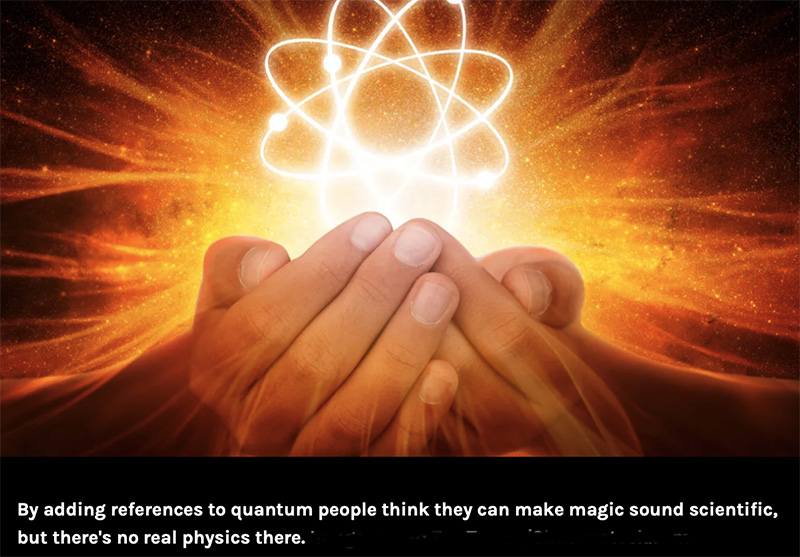
If someone tries to tell you it's possible to bend reality with your mind, be very wary. If they throw in references to quantum physics to try to make it sound scientific, run.
Stress can be contagious, according to research. But there may be ways to prevent it. Live Science - February 22, 2023
Stress is something a majority of people will experience at some point in their life. According to the World Health Organization stress can be defined as any type of change that causes physical, emotional or psychological strain. There are numerous events or experiences that can catalyze periods of stress, from starting a new job to having a child, but is it possible to catch stress from someone else?
Chronic stress may lead to hair loss, research suggests. But it is often reversible Live Science - February 21, 2023
Thinning hair is a normal part of aging, but certain lifestyle factors or health conditions can cause sudden or gradual hair loss.
Stress and hair loss can also be related, particularly if a person experiences high stress levels, according to the Mayo Clinic (opens in new tab). In these cases, a person may notice that more hair is falling out or that fewer hairs are growing back. Both men and women can be affected, according to the Mayo Clinic.
Support from others in stressful times can ease impact of genetic depression risk, study suggests Medical Express - January 13, 2023
Reaching out to support a person when they're under stress is always a good idea. But a new study suggests that support could be especially important for someone whose genetic makeup makes them more likely to develop depression.
Managing emotions better could prevent pathological aging Medical Express - January 13, 2023
Negative emotions, anxiety and depression are thought to promote the onset of neurodegenerative diseases and dementia. But what is their impact on the brain and can their deleterious effects be limited
How your mood affects the way you process language Medical Express - January 13, 2023
When people are in a negative mood, they may be quicker to spot inconsistencies in things they read.
How politics seep into daily life, negatively affecting mental health Medical Express - January 12, 2023
The stress of following daily political news can negatively affect people's mental health and well-being, but disengaging has ramifications.
Meditation and mindfulness may be as effective as medication for treating certain conditions Medical Express - January 12, 2023
Many people look to diet trends or new exercise regimensÑoften with questionable benefitÑto get a healthier start on the new year. But there is one strategy that's been shown time and again to boost both mood and health: meditation.
Florida commission urges sweeping mental health reforms Medical Express - January 11, 2023
The recommendations come from the Commission on Mental Health and Substance Abuse, which was created in 2021 after the Parkland grand jury called Florida's mental health system "a mess."
Placebo can reduce feelings of guilt, even when administered openly Medical Express - January 11, 2023
Guilt is an uncomfortable feeling and can be burdensome. Researchers have shown that placebos can help reduce feelings of guilt, even when the placebo is administered openly.
Feeling Depressed? Performing Acts of Kindness May Help Neuroscience News - January 13, 2023
People suffering from symptoms of depression or anxiety may help heal themselves by doing good deeds for others, new research shows.
Pets Help to Protect Your Brain as You Get Older, Study Suggests Science Alert - January 11, 2023
A recent study of US adults over 50 found that those who owned a pet for more than five years scored better on cognitive memory tests than those living without interspecies housemates.
Can Stress Aid Performance? Some Experts Say 'Yes'. A little anxiety from time to time can be beneficial to task performance. Psychology Today - January 11, 2023
A little anxiety from time to time can be beneficial to task performance as illustrated by the Yerkes-Dodson law, which states - performance is improved by anxiety until an optimum level of arousal is reached.
How to unlock your creativity - even if you see yourself as a conventional thinker Medical Express - January 9, 2023
Many people believe that creative thinking is difficult - that the ability to come up with ideas in novel and interesting ways graces only some talented individuals and not most others. The media often portrays creatives as those with quirky personalities and unique talent. Researchers have also identified numerous personality traits that are associated with creativity, such as openness to new experiences, ideas and perspectives.
Speech analysis can help measure diagnosis, severity, and onset of mental illness Medical Express - January 6, 2023
There is ample evidence that analysis of speech patterns can accurately diagnose depression and psychosis, measure their severity, and predict their onset. Automated analysis more promising than subjective measures like interviews or questionnaires
Features of mental illness are often presented through speech and language, and psychiatric clinical assessment should consider patterns in a patient's speech - such as speed, coherence, and content. Advances in natural language processing, speech recognition, and computer science have underscored the fact that using speech analysis as an objective, clinical measurement of mental illness is possible.
,P>
The research team reviewed hundreds of articles, papers, and reports of individuals with a mental disorder that discussed aspects of their speech. Case studies and studies of patients with neurological disorders were excluded from the review. They included articles that analyzed transcriptions of participants' speech. Most studies included in the review discussing the use of speech analysis in diagnosis concerned patients with major depression, whose speech is often slow, full of pauses, negative in content, and lacking energy. In these, diagnostic accuracy was high, over 80% in one study.
Almost half of young people in England report mental health problems Medical Express - November 24, 2022
Poor mental health among young people aged 16 and 17 has increased by more than 25% since 2017, with those who identify as non-binary among the most affected, according to research by UCL and the Sutton Trust. It highlights that a significant proportion of young people are experiencing poor well-being, with 44% of young people scoring above the threshold for 'probable mental ill health', indicating generally high levels of psychological distress. This is up from 35% in 2017 and 23% in 2007, pointing to a steady decline in the mental health and well-being of young people.
Scientists Detect Genetic Link Between Blood Test Results And Some Mental Disorders Science Alert - April 8, 2022
Mental health disorders including depression, schizophrenia, and anorexia show links to biological markers detected in routine blood tests, according to our new study of genetic, biochemical and psychiatric data from almost a million people.
'Switching off' specific brain cells protects against stress Medical Express - March 18, 2021
It is well known that long-term exposure to stress can lead to serious psychiatric problems. However, the precise mechanisms underpinning the stress response have remained elusive. Recent advances in microscopic imaging by researchers from Japan have led to the exciting discovery of a small group of brain cells that control stress-induced responses. These cells could be the key to understanding the origin of stress-related mental disorders.
Anxiety and PTSD linked to increased myelin in brain's gray matter Medical Express - January 6, 2022
A recent study links anxiety behavior in rats, as well as post traumatic stress disorder (PTSD) in military veterans, to increased myelin - a substance that expedites communication between neurons in areas of the brain associated with emotions and memory.
Brain Signals Associated With OCD Discovered by Scientists For First Time Science Alert - January 4, 2022
Scientists have been able to observe brain activity linked with obsessive-compulsive disorder (OCD) in more detail than ever before - and if these neural signals can be identified, it opens up the possibility of being able to change them as well. OCD can affect up to two in every 100 adults, and while various behavioral treatments and drugs are available, it's estimated that 25-40 percent of those with OCD don't get any sustained benefits from them. The disorder can involve intrusive thoughts and compulsive behavior, affecting daily life and causing distress.
Adaptive brain response to stress - and its absence - in people with depression Medical Express - June 9, 2021
A new study identifies a novel biomarker indicating resilience to chronic stress. This biomarker is largely absent in people suffering from major depressive disorder, and this absence is further associated with pessimism in daily life.
Researchers have shown that a build-up of cellular 'trash' in the brain can actually cause neurodegeneration, and even death Medical Express - November 19, 2020
Researchers at Tokyo Medical and Dental University (TMDU) have recently shown that a build-up of cellular 'trash' in the brain can actually cause neurodegeneration, and even death.
Fatigued by The News? You Might Have 'Epistemic Exhaustion' or knowledge related exhaustion Science Alert - November 19, 2020
An endless flow of information is coming at us constantly: It might be an article a friend shared on Facebook with a sensational headline or wrong information about the spread of the coronavirus. It could even be a call from a relative wanting to talk about a political issue. For many, this year has been full of uncertainty. In particular, the coronavirus pandemic has generated uncertainty about health, about best practices and about the future. At the same time, Americans have faced uncertainty about the US presidential election: first due to delayed results and now over questions about a peaceful transition of power.
Here's Why Narcissists Never Really Learn From Their Mistakes Science Alert - August 15, 2020
Sometimes even those with narcissistic tendencies don't like looking in the mirror. New research has found that people who excessively approve of themselves are unwilling to reflect on their mistakes. When something unforeseen and unfortunate happens, a narcissist appears less inclined to ask, "What could I have done differently?" and more inclined to throw up their hands and cry, "No one could have seen this coming!" At first, this might sound like a humble statement for a narcissist. It's certainly more modest than claiming you knew it all along (a concept known as hindsight bias). But when someone's predictions have been clearly proved wrong, the researchers behind the latest study suggest narcissists go into self-protection mode and start blaming it on the unpredictability of the universe.
Psychologists show that embedding primes in a person's speech can influence people's decision Medical Express - July 27, 2020
In both psychology and magic circles, primes are known as actions or words that unconsciously influence the thinking of another person One example is a policeman interrogating a witness tapping his ring while inquiring about jewelry a suspect might have been wearing. It is a technique magicians have used for years. They prime a person or audience by giving them subtle verbal or physical clues to get them to choose a number during a guessing trick, or a card during a card trick. In this new effort, the researchers tested the practice to see if it actually works.
8 Ways Procrastination and Depression are Linked. Procrastination is a very common aspect of depression. Psychology Today - September 30, 2019
1. When people are depressed they often lose interest in activities they normally enjoy. This can lead to procrastination about even fun activities. Even if the person thinks they might like to attend an event, they may hesitate about committing due to fear they won't feel up to it when the time rolls around.
2. People who deal with stress by putting problems in their Ôtoo hard basketÕ are more vulnerable to getting depressed. There is a huge chicken and egg relationship here. If you ruminate about problems rather than tackling them head-on, it can contribute to worsening depression, but depression can also make people feel frozen.
What's So Important about Psychiatric Diagnosis? Getting the right treatment means first getting the right diagnosis. Psychology Today - September 30, 2019
Researcher decodes the brain to help patients with mental illnesses Medical Express - August 16, 2019
Approximately 1 in 5 adults in the United States experience mental illness in a given year. Severe mental illnesses cause the brain to have trouble dealing with cognitively effortful states, like focusing attention over long periods of time, discriminating between two things that are difficult to tell apart, and responding quickly to information that is coming in fast.
It's all about depression
Broken heart syndrome linked with cancer Medical Express - July 17, 2019
Broken heart syndrome, also called takotsubo syndrome, occurs when the heart's main pumping chamber temporarily enlarges and doesn't pump well. Although the syndrome may feel like a heart attack, with chest pain and shortness of breath, there is no heart muscle damage and no blockage in the coronary arteries feeding the heart. Broken heart syndrome can be triggered by emotional or physical stress, but this international study of patients from 26 centers provides the strongest association yet between the syndrome and cancer.
Individuals who attempt suicide carry an increased genetic liability for depression, regardless of their psychiatric disorder they are affected by Medical Express - June 5, 2019
Suicide is a worldwide public health problem with more than 800,000 deaths due to suicide each year. Suicide and suicide attempts have an emotional toll on families and friends of those who died, as well as on attempt survivors.
Burnout is an official medical diagnosis, World Health Organization says CNN - May 28, 2019
It's a feeling of extreme work stress that's long been embedded in the cultural lexicon, and now it might be codified in your medical records as well. Burnout is now a legitimate medical diagnosis, according to the International Classification of Diseases, or the ICD-11, the World Health Organization's handbook that guides medical providers in diagnosing diseases. Burnout now appears in the ICD-11's section on problems related to employment or unemployment. According to the handbook, doctors can diagnose someone with burnout if they meet the following symptoms:
1. feelings of energy depletion or exhaustion
2. increased mental distance from one's job, or feelings of negativism or cynicism related to one's job
3. reduced professional efficacy
Video Game Addiction Becomes Official Mental Disorder in Controversial Decision by WHO Live Science - May 28, 2019
Video games can be highly engrossing, but can some people become addicted to gaming? The World Health Organization (WHO) says yes.
Recently, the WHO officially recognized "gaming disorder" as a mental health condition adding the disorder to the International Classification of Diseases, or the ICD-11, the organization's official diagnostic manual, according to CBS News. Simply playing a lot of video games isn't enough to count as a disorder. Rather, the disorder occurs when gaming interferes with people's daily lives. According to the WHO, gaming disorder is a "pattern of persistent or recurrent gaming behavior" in which people lose control of their gaming behavior, give priority to gaming over other interests and activities, and continue gaming despite negative consequences, such as impairments in their family relationships, social lives, work duties or other areas.
Does Your Life Have Purpose? The Answer Could Affect How Long You Live Live Science - May 24, 2019
A new study suggests that purposeful living is linked to decreased risk of early death in those older than age 50
Depression in 20s linked to memory loss in 50s, psychologists find Medical Express - March 21, 2019
A new large-scale longitudinal study carried out by University of Sussex psychologists has found a clear link between episodes of depression and anxiety experienced by adults in their twenties, thirties and forties, with a decrease in memory function by the time they are in their fifties.
Study firms up diet and depression link Medical Express - October 10, 2018
Does fast food contribute to depression? Can a healthy diet combat mental illness? In an unusual experiment, James Cook University researchers in Australia have found that among Torres Strait Islander people the amount of fish and processed food eaten is related to depression.
Scientists show change in beliefs associated with dopamine in brain Medical Express - October 10, 2018
For the first time, scientists have been able to image brain activity when people change their short-term beliefs, and to relate this brain activity to dopamine function in humans. UK scientists monitored brain activity when people changed simple beliefs about the causes of their perceptions, but the results may have important implications for understanding how the brain supports the formation of more general beliefs.
People Across the Globe Feeling More Sad, Stressed and in Pain Than Ever Live Science - September 12, 2018
The world isn't feeling so hot - emotionally, that is. A new survey of people's daily emotions found that, worldwide, reports of negative emotions - including sadness, worry and stress - have increased over the last decade, reaching a record high in 2017. What's more, reports of positive emotions dipped slightly in 2017 compared with the previous year, according to the survey, from Gallup, the analytics and advice company.
FDA approves brain stimulation device for OCD Medical Express - August 17, 2018
Transcranial magnetic stimulation uses magnetic fields to stimulate nerve cells in the brain. The FDA approved it as a treatment for major depression in 2008 and for treating pain associated with certain migraines in 2013. Transcranial magnetic stimulation has shown its potential to help patients suffering from depression and headaches. No serious reactions to treatment with the device were reported, according to the FDA.
Schizophrenia Is a Mystery, But This Discovery Might Change Things Seeker - March 17, 2018
Schizophrenia is a severe mental disorder that has been fascinating scientists for hundreds of years because it is not yet understood. However, we may have finally found the root of this devastating disorder, it starts when the brain is forming in the womb. Schizophrenia causes people to hallucinate, have a distorted view of reality, and experience extremely disordered thinking. Brain function can be so badly affected that itÕs disabling.
Why Are So Many People So Unhappy? Live Science - January 25, 2018
The problem is that much of what determines happiness is outside of our control. Some of us are genetically predisposed to see the world through rose-colored glasses, while others have a generally negative outlook. Bad things happen, to us and in the world. People can be unkind, and jobs can be tedious.
Gene Location for Paranoia Found Live Science - January 17, 2018
Our genes shape the way we look and how our bodies work, and looking at specific genes or snippets of DNA can offer scientists a glimpse of the control panels for many different physical traits. But researchers are still piecing together the relationship between genes and behavior, and indeed, little is known about how certain types of genes can influence human psychology. Recently, a rare disorder known as Prader-Willi syndrome (PWS) gave scientists an unprecedented opportunity to pinpoint the location of certain genetic activity associated with paranoia, a mental condition that frequently occurs in people with PWS. Many traits found in people with PWS including paranoia - are associated with anomalies in two genes on a single chromosome. In a new study, scientists investigated the genetic makeup of people with the syndrome, noting which individuals exhibited more signs of paranoid behavior and looking for patterns in gene expression, which is the activation of information coded in a gene, to shape a particular trait.
Scientists Surprised to Find No Two Neurons Are Genetically Alike Scientific American - May 3, 2017
The genetic makeup of any given brain cell differs from all others. That realization may provide clues to a range of psychiatric diseases. The past few decades have seen intensive efforts to find the genetic roots of neurological disorders, from schizophrenia to autism. But the genes singled out so far have provided only sketchy clues. Even the most important genetic risk factors identified for autism, for example, may only account for a few percent of all cases.
In my experience as a therapist, people who suffer from PTSD were genetically predisposed to mental illness before the traumatic event happened.
First molecular genetic evidence of PTSD heritability discovered Science Daily - April 25, 2017
The report extends previous findings that showed that there is some shared genetic overlap between PTSD and other mental disorders such as schizophrenia. It also finds that genetic risk for PTSD is strongest among women. many people exposed to even extreme traumatic events do not develop PTSD. Why is that? We believe that genetic variation is an important factor contributing to this risk or resilience
Wiring of the 'little brain' linked to multiple forms of mental illness Medical Express - April 11, 2017
Having a single mental illness like anxiety, depression or schizophrenia is hard enough on its own. But studies consistently show that up to half of people with one mental illness also experience one or more additional forms of mental illness at the same time. The high numbers of patients who suffer from multiple forms of mental illness has many researchers shifting focus away from studying individual disorders and instead hunting for common mechanisms or risk factors that might cause all types of mental disorders.
Read more at: https://medicalxpress.com/news/2017-04-wiring-brain-linked-multiple-mental.html#jCp
Why Breathing Deeply Helps You Calm Down Live Science - March 31, 2017
Deep breaths can settle your nerves, and now scientists have discovered the neural pathway in the brain that controls this process. In an experiment on mice, scientists identified a circuit of neurons - a tiny cluster of a mere 350 nerve cells, among millions in the mouse brain - that regulate the connection between breathing and the higher-order brain activity that affects how calmly or worked up the mice behaved. When the scientists removed these cells, they found that the mice still breathed normally, but they were uncharacteristically calm. This discovery may someday lead to therapies to help people who have anxiety, stress and panic attacks
Do Schizophrenia and Autism Share the Same Root? Scientific American - March 22, 2017
New research suggests the two conditions may be different outcomes of one genetic syndrome. In children with a deletion on chromosome 22, having autism does not boost the risk of developing schizophrenia later in life, according to a new study1. The children in the study have 22q11.2 deletion syndrome, which is linked to a 25-fold increase in the risk of developing a psychotic condition such as schizophrenia. A deletion in the region is also associated with an increased risk of autism. Some researchers have suggested that the relatively high autism prevalence in this population is the result of misdiagnoses of early signs of schizophrenia.
Patients with OCD have difficulty learning when a stimulus is safe Medical Express - March 6, 2017
People who suffer from obsessive compulsive disorder (OCD) are poorer at learning about the safety of a stimulus than healthy volunteers, which may contribute to their struggles to overcome compulsive behavior. OCD is a disorder characterized by intrusive thoughts and repetitive, irrational behaviors, for example an obsession with cleanliness leading to repetitive hand washing, or a fear that something terrible will happen if they don't check the door dozens of times, making leaving the house extremely difficult.
Fractal edges shown to be key to imagery seen in Rorschach inkblots Science Daily - February 14, 2017
Researchers have unlocked the mystery of why people have seen so many different images in Rorschach inkblots. The image associations are induced by fractal characteristics at the edges of the blots and depend on the scaling parameters of the patterns, says researcher. Fractals are objects with irregular curves or shapes and are recognizable building blocks of nature. Trees, clouds, rivers, galaxies, lungs and neurons are fractals. The new discovery isn't about improving inkblots for psychological assessments -- their use became controversial and mostly set aside in the last 20 years. It does, however, have implications for Taylor's efforts to design a fractal based retinal implant and for potentially improving materials used for camouflage.
Study reveals what happens when depression, anxiety coincide with minor injury Medical Express - January 4, 2017
When someone breaks a leg or fractures a rib, injuries considered relatively minor, providers often don't look beyond what's initially required to help that person heal. Research revealed that someone who arrives in the emergency department needing help for a minor injury and who also expresses symptoms of depression and anxiety at that time will likely experience poorer work performance and increased health-related time in bed 12 months out.
Personality traits and psychiatric disorders linked to specific genomic locations Medical Express - December 8, 2017
Five psychological factors are commonly used to measure individual differences in personality:
Extraversion (versus introversion) reflects talkativeness, assertiveness and a high activity level
Neuroticism (versus emotional stability) reflects negative affect, such as anxiety and depression
Agreeableness (versus antagonism) measures cooperativeness and compassion
Conscientiousness (versus undependability) indicates diligence and self-discipline
Openness to experience (versus being closed to experience) suggests intellectual curiosity and creativity
Scientists find new genetic roots of schizophrenia Science Daily - October 20, 2017
Using a recently developed technology for analyzing DNA, scientists have found dozens of genes and two major biological pathways that are likely involved in the development of the disorder but had not been uncovered in previous genetic studies of schizophrenia. The work provides important new information about how schizophrenia originates and points the way to more detailed studies -- and possibly better treatments in the future. Schizophrenia is a chronic, disabling mental illness whose symptoms can include hallucinations, delusions and cognitive problems. The illness afflicts about 1 percent of the human population.
Scientists Can Make People Hallucinate Using Flickering Image Live Science - October 17, 2017
How can we measure the mind? When you ask someone what they're thinking about, what they tell you is not necessarily the truth. This doesn't mean they're lying. It means many environmental, social and personal influences can change what someone tells us. If I put on a white lab coat, suit or t-shirt and ask you a bunch of questions, what I wear will change what you say. This was demonstrated in the famous Milgrim experiments in the 1960s, which showed the power of perceived authority to control others' behavior. People want to be liked, or give a certain impression. This is commonly referred to as impression management and is one of the hardest obstacles to overcome in scientific research. Neuroscientists have made notable advances in measuring the anatomy of the brain and its regions at different scales. But they've made few big advances in measuring the mind, which is what people think, feel and experience. The mind is notoriously difficult to measure; but it needs to be done as it will aid development of new treatments for mental and neurological disorders.
What's really going on in PTSD brains? Experts suggest new theory Medical Express - October 7, 2017
All experts in the field now agree that PTSD indeed has its roots in very real, physical processes within the brain - and not in some sort of psychological "weakness". But no clear consensus has emerged about what exactly has gone "wrong" in the brain. The bottom line, they say, is that people with PTSD appear to suffer from disrupted context processing. That's a core brain function that allows people and animals to recognize that a particular stimulus may require different responses depending on the context in which it is encountered. It's what allows us to call upon the "right" emotional or physical response to the current encounter.
Do these genes make me lonely? Study finds loneliness is a heritable trait Medical Express - September 20, 2017
Loneliness is linked to poor physical and mental health, and is an even more accurate predictor of early death than obesity. The heritability of loneliness has been examined before, in twins and other studies of both children and adults. From these, researchers estimated that 37 to 55 percent of loneliness is determined by genetics.The researchers also determined that loneliness tends to be co-inherited with neuroticism (long-term negative emotional state) and a scale of depressive symptoms. Weaker evidence suggested links between heritable loneliness and schizophrenia, bipolar disorder and major depressive disorder. In contrast to previous studies, the researchers did not find loneliness to be associated with variations in specific candidate genes, such as those that encode dopamine or oxytocin.
The Science of Boredom Live Science - September 20, 2017
Though boredom is as familiar a feeling as excitement or fear, science has only begun to understand what makes people bored. Recently, six scientists who emerged after living for a year in isolation on the Mauna Loa volcano as part of the HI-SEAS (Hawaii Space Exploration Analog and Simulation) experiment, which simulated the isolation that future space travelers might experience traveling to and living on Mars, said that boredom was their biggest challenge. Boredom "has been understudied until fairly recently, but it''s worth studying because human experience has consequences for how we interact with each our and our environment.
Is Your 'Self' Just an Illusion? Live Science - September 8, 2017
Are "you" just an illusion, a mix of experiences and "stuff" in the universe? What is a "self," anyway? What does it mean to be a self? What are the requirements of selfhood? The nature of self is one of philosophy's perennial and persistent questions. Self is easy to describe, yet maddening to decipher. Part philosophy of the mind, part biology of the brain, it combines two elusive ideas: the philosophy of continuity (how things persist through time) and the biopsychology of psychic unity (how the brain makes us feel singular). I see; I hear; I feel. How do separate perceptions bind together into a continuing, coherent whole? How do sentient properties congeal as "me"?
The mind body connection begins at the soul level -> then spirals down to the physical mind where it is processed by the emotional body -> then is played out by the physical body. It's all about one's DNA programming for experience.
New insights into how the mind influences the body Medical Express - August 17, 2017
Neuroscientists at the University of Pittsburgh have identified the neural networks that connect the cerebral cortex to the adrenal medulla, which is responsible for the body's rapid response in stressful situations. Specifically, the findings shed new light on how stress, depression and other mental states can alter organ function, and show that there is a real anatomical basis for psychosomatic illness. The research also provides a concrete neural substrate that may help explain why meditation and certain exercises such as yoga and Pilates can be so helpful in modulating the body's responses to physical, mental and emotional stress.
Common brain changes found in children with autism, ADHD and OCD Science Daily - July 27, 2017
A team of scientists has found similarities in brain impairments in children with autism spectrum disorder, attention deficit hyperactivity disorder and obsessive compulsive disorder. The study involved brain imaging of white matter in 200 children. Many of the behaviors that contribute to impairment in autism, ADHD, and OCD, such as attention problems or social difficulties, occur across these conditions, and differ in severity from person to person. The researchers found that the brain's white matter structure was associated with a spectrum of behavioral symptoms present across these diagnoses. Children with greater brain impairment also had higher impairments in functioning in daily life, regardless of their diagnosis.
Anxiety, Depression, or Both? Scientific American - May 22, 2017
Anxiety and depression are both challenging disorders - to make matters worse, they occur together up to 50% of the time. Depression and anxiety are fundamentally different - depression is based in hopelessness and helplessness, while anxiety is steeped in fear of the uncertain. But even though they're different, they overlap in many ways. Here are five big similarities:
#1: Irritability.
#2: Problems sleeping.
#3: Difficulty concentrating.
#4: Restlessness.
#5: No fun.
What Happens in Our Brains When We Hallucinate? Discovery - March 14, 2017
Voices in your head? Visions of things that aren't there? You don't have to have schizophrenia or take LSD to have a hallucination, and they don't always have to be scary either. It turns out that many everyday high functioning people occasionally do have what technically is a hallucination. Researchers recently found that nearly 1 in 20 of the general population report hearing or seeing things - when fully awake - that others don't. So what is a hallucination? It's a 'false perception' of reality and it can occur with a whole range of senses, but the most common ones are visual and auditory hallucinations. Normally our brain is good at distinguishing between a sound or image that is occurring in the outside world, and one that is just a product of our mind. But occasionally something can go awry. One major theory is that hallucinations are caused when something goes wrong in the relationship between the brain's frontal lobe and the sensory cortex. (View the pictures.)
One reason is to understand and work out their own issues. Another - people with emotional problems find it boring to live with someone who is balanced and peaceful. What they don't realize is the amount of work they put into a dysfunctional relationships is overwhelming to the body, mind, and soul --> burnout.
Disordered Pairs: People More Likely to Find a Mate with a Similar Psychiatric Condition Scientific American - March 2, 2017
New research provides evidence that partners are more similar in psychiatric status than chance would predict. The idea that 'opposites attract' may seem to hold true often enough, but it is definitely not the whole story: When it comes to choosing a partner, people actually tend to pair up with those similar to them - in qualities ranging from height and weight to education, income and personality.
7 Ways To Make Therapy More Affordable Huffington Post - January 25, 2017
Depending on where you live and what kind of insurance you have, the price can be upwards of $80 to $200 for one 45- to 60-minute session. But here's the truth: Therapy doesn't have to expensive in order to work. There are multiple options to get the help and treatment you deserve -- and getting that help is crucial.
1. Try sliding scale therapy.
2. Look into university counseling centers.
3. Research free therapy options.
4. Look into participating in research studies.
5. Go to a community-based organization.
6. Try group therapy.
7. Look into an online program.
You Are Not Alone: A Conversation About OCD Huffington Post - January 25, 2017
Do you hide your worrisome thoughts from others so they don't think poorly of you? Or, do you share them to relieve the intense anxiety you feel and others try to talk you out of them which you know can't work? Do you do things you do compulsively knowing they just relieve anxiety but don't make a lot of sense? Do you try to hide them so no one thinks you're crazy? (You're not.)
Brief Psychotic Breaks Remain a Mystery Live Science - January 17, 2017
Not all psychotic episodes signal the beginning of a long-term mental health disorder like schizophrenia. In fact, when patients experience one of these short-term breaks with reality, it's not precisely clear how the individuals should be diagnosed. Now, a new study finds there are no significant differences in the prognosis for patients who have four different types of brief psychotic episodes. (Such episodes may involve hallucinations or delusions, or less severe symptoms such as disorientation, disorganized thinking or speech that doesn't make sense.) The new findings, based on a review of research covering 11,133 patients, highlight how little is understood about how psychosis may progress, the researchers said.
Light Therapy Is More Effective Than Prozac In Major Depression Epoch Times - December 23, 2015
Bright light therapy has a proven track record of success in the treatment of seasonal affective disorder (SAD), commonly referred to as the winter blues. A new study from the University of British Columbia shows that this simple and safe therapy is effective for non-seasonal major depression. In fact, researchers showed light therapy was much more effective than fluoxetine (Prozac).
5 Ways to Create Happier, More Meaningful Days Huffington Post - November 27, 2015
1. Focus on less and do more.
2. Choose your food wisely.
3. Move more.
4. Sleep.
5. Cultivate relationships.
The search for happiness: Using MRI to find where happiness happens Science Daily - November 20, 2015
Researchers have mapped out using MRI where happiness emerges in the brain. The study paves the way for measuring happiness objectively - and also provides insights on a neurologically based way of being happy. Exercising, meditating, scouring self-help books... we go out of our way to be happy, but do we really know what happiness is?
9 Sneaky Causes Of Depression Huffington Post - November 12, 2015
For some people, sub-zero temperatures aren't the only difficult side effect of winter. Approximately 10 million Americans also experience seasonal affective disorder, a depression-related mental health condition that waxes and wanes depending on the time of year.
1. Chronic illness
2. Smoking
3. Excessive social media use
4. Your neighborhood
5. Diet
6. Too much sitting
7. A lack of sleep
8. Brain inflammation
9. Not putting your needs first
Relationship between sympathy, helping others could provide clues to development of altruism Science Daily - September 29, 2015
Developmental psychologists long have debated whether individuals volunteer and help others because they are sympathetic or whether they are sympathetic because they are prosocial. Now, new research helps clarify some of the confusion, which could lead to better interventions to promote positive behaviors in adolescents and clues as to what makes some individuals altruistic.
10 Things Emotionally-Intelligent People Do Not Do Huffington Post - September 10, 2015
Emotional intelligence is probably the most powerful yet undervalued trait in our society. We believe in rooting our everyday functions in logic and reason, yet we come to the same conclusions after long periods of contemplation as we do in the blink of an eye. Our leaders sorely overlook the human element of our socio-political issues and I need not cite the divorce rate for you to believe that we're not choosing the right partners (nor do we have the capacity to sustain intimate relationships for long periods of time).
1. They don't assume that the way they think and feel about a situation is the way it is in reality, nor how it will turn out in the end.
2. Their emotional base points are not external.
3. They don't assume to know what it is that will make them truly happy.
4. They don't think that being fearful is a sign they are on the wrong path.
5. They know that happiness is a choice, but they don't feel the need to make it all the time.
6. They don't allow their thoughts to be chosen for them.
7. They recognize that infallible composure is not emotional intelligence.
8. They know that a feeling will not kill them.
9. They don't just become close friends with anyone.
10. They don't confuse a bad feeling for a bad life.