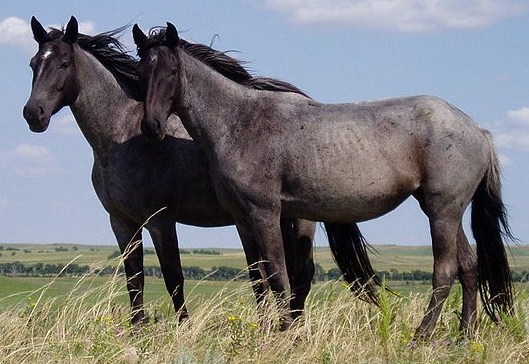
The horse is a domesticated, one-toed, hoofed mammal. It belongs to the taxonomic family Equidae and is one of two extant subspecies of Equus ferus. The horse has evolved over the past 45 to 55 million years from a small multi-toed creature, close to Eohippus, into the large, single-toed animal of today.
Humans began domesticating horses around 4000 BCE, and their domestication is believed to have been widespread by 3000 BCE. Horses in the subspecies caballus are domesticated, although some domesticated populations live in the wild as feral horses.
These feral populations are not true wild horses, which are horses that never have been domesticated and historically linked to the megafauna category of species. There is an extensive, specialized vocabulary used to describe equine-related concepts, covering everything from anatomy to life stages, size, colors, markings, breeds, locomotion, and behavior.
Horses are adapted to run, allowing them to quickly escape predators, and possess a good sense of balance and a strong fight-or-flight response. Related to this need to flee from predators in the wild is an unusual trait: horses are able to sleep both standing up and lying down, with younger horses tending to sleep significantly more than adults.
Female horses, called mares, carry their young for approximately 11 months and a young horse, called a foal, can stand and run shortly following birth. Most domesticated horses begin training under a saddle or in a harness between the ages of two and four. They reach full adult development by age five, and have an average lifespan of between 25 and 30 years.
Horse breeds are loosely divided into three categories based on general temperament: spirited "hot bloods" with speed and endurance; "cold bloods", such as draft horses and some ponies, suitable for slow, heavy work; and "warmbloods", developed from crosses between hot bloods and cold bloods, often focusing on creating breeds for specific riding purposes, particularly in Europe. There are more than 300 breeds of horse in the world today, developed for many different uses.
Horses and humans interact in a wide variety of sport competitions and non-competitive recreational pursuits as well as in working activities such as police work, agriculture, entertainment, and therapy. Horses were historically used in warfare, from which a wide variety of riding and driving techniques developed, using many different styles of equipment and methods of control. Many products are derived from horses, including meat, milk, hide, hair, bone, and pharmaceuticals extracted from the urine of pregnant mares. Humans provide domesticated horses with food, water, and shelter, as well as attention from specialists such as veterinarians and farriers. Continue reading

It is not entirely clear how, when, or where the domestication of the horse took place. Although horses appeared in Paleolithic cave art as early as 30,000 BCE, these were wild horses and were probably hunted for meat.
The earliest evidence of horse domestication comes from tooth wear caused by a bit, found in a burials in Botai Kazakhstan, dated to 3700-3500 BC. The clearest evidence of early use of the horse as a means of transport is from chariot burials dated c. 2000 BCE. Discoveries in the context of the Botai culture had suggested that Botai settlements in the Akmola Province of Kazakhstan are the location of the earliest domestication of the horse. Read more ...
The first domesticated horses: 6,000 years of a complex story PhysOrg - May 13, 2026
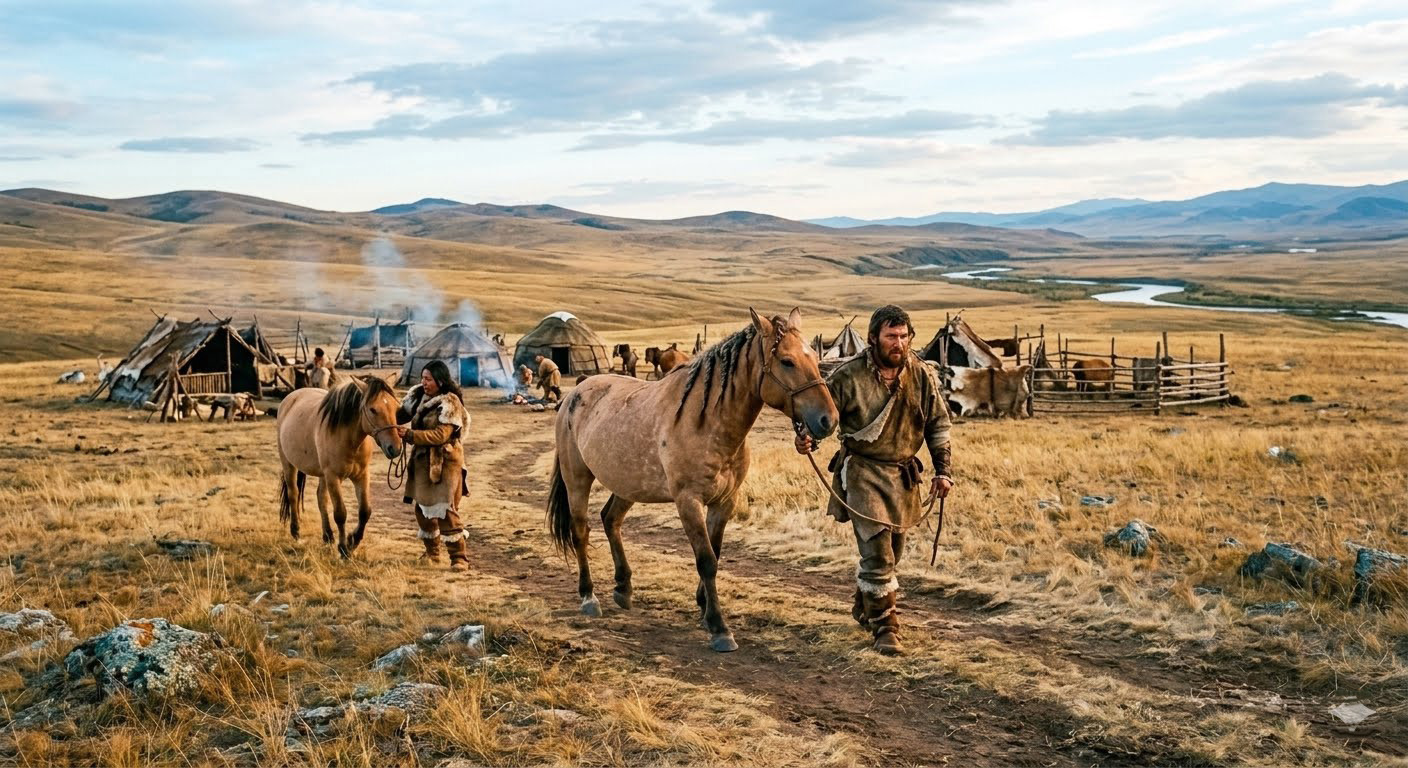
Horses were being ridden, worked, and traded long before anyone thought it possible. New research pushes back the accepted timeline of human use of horses by centuries, showing that humans used horses in organized ways as early as the 4th millennium BCE, if not earlier. Taming and domestication were not single events. They were a slow, stop-start process, full of setbacks, playing out over generations and across vast regions, before full domestication set in shortly before 2000 BCE.
Reshaping the horse through millennia: Sequencing reveals genes selected by humans in domestication Science Daily - December 15, 2014

Whole genome sequencing of modern and ancient horses unveils the genes that have been selected by humans in the process of domestication through the last 5,500 years, but also reveals the cost of this domestication. An international research group reports that a significant part of the genetic variation in modern domesticated horses could be attributed to interbreeding with the descendants of a now extinct population of wild horses. This population was distinct from the only surviving wild horse population.
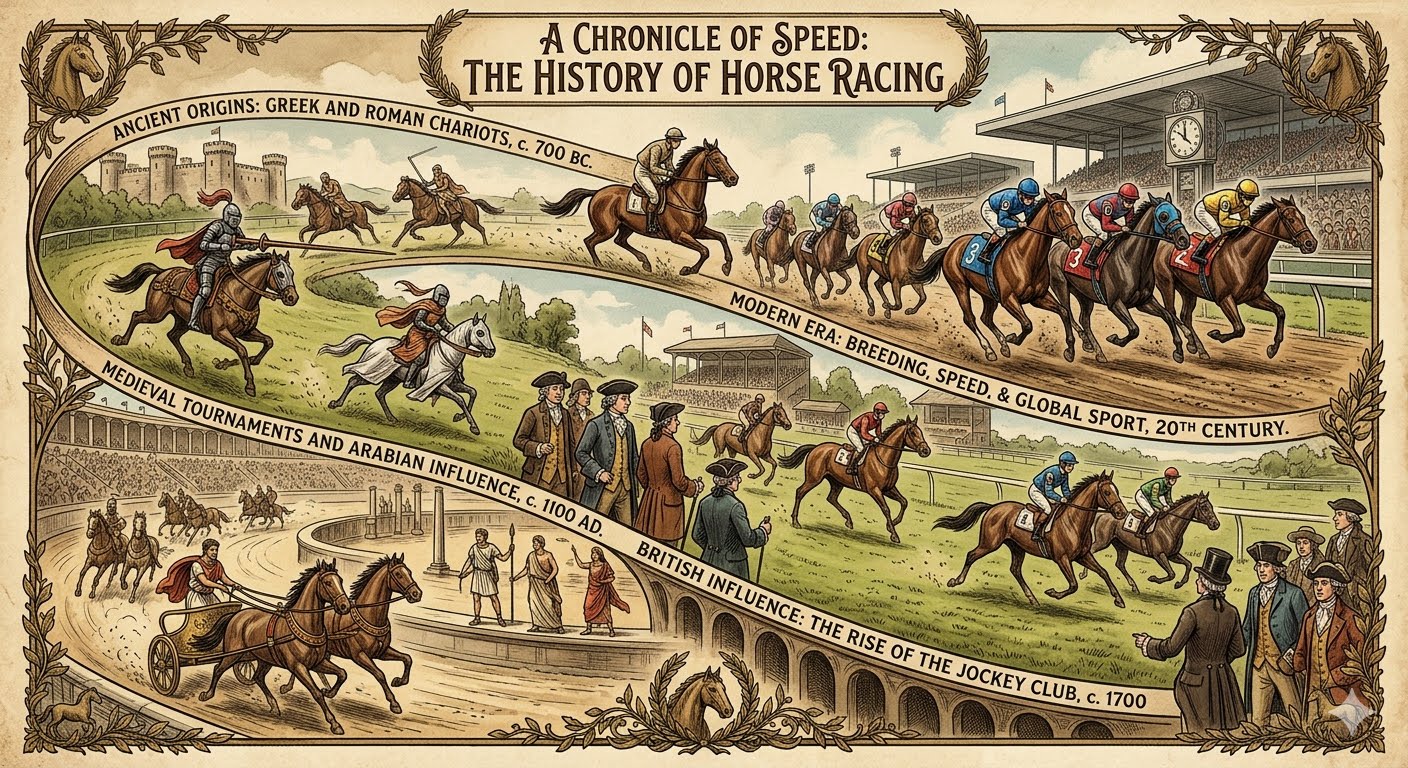
Horse racing is an equestrian performance activity, typically involving two or more horses ridden by jockeys (or sometimes driven without riders) over a set distance for competition. It is one of the most ancient of all sports, as its basic premise - to identify which of two or more horses is the fastest over a set course or distance – has been mostly unchanged since at least classical antiquity.
Horse races vary widely in format, and many countries have developed their own particular traditions around the sport. Variations include restricting races to particular breeds, running over obstacles, running over different distances, running on different track surfaces, and running in different gaits. In some races, horses are assigned different weights to carry to reflect differences in ability, a process known as handicapping.
While horses are sometimes raced purely for sport, a major part of horse racing's interest and economic importance is in the gambling associated with it an activity that in 2019 generated a worldwide market worth around US$115 billion. Read more ...

The main symbols that depict the horse are courage and freedom. This majestic animal is a being of power, independence, freedom, nobleness, endurance, confidence, triumph, heroism, and competition. Biblical horses symbolize war, power, and glory. They are referenced as symbols of force, strength, and the status of a King or Country. Although horses typically symbolize war in the Bible, they also represent determination and a new beginning.
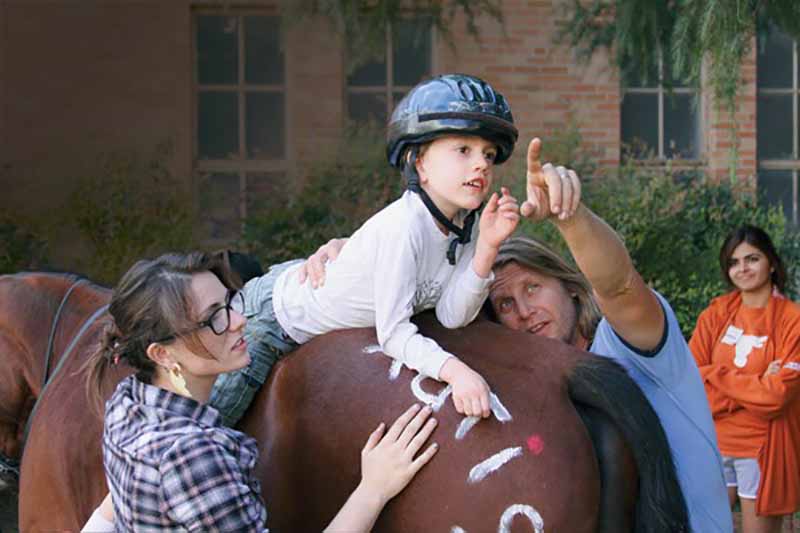
Equine therapy can be helpful for individuals with depression in coping with difficult emotions, improving their mood, managing symptoms of depression, and building trust and connections. Additionally, spending time outside has been associated with improved mood and overall well-being. It can help individuals with anxiety in impulse control, self-reflection, building confidence, building trust, and reducing stress.There is nothing like nature to heal the moment.
I have clients who work with horses to help children with Autism, Asperger's, and various other emotional and learning challenges. - much like healing with dolphins. It's all about frequencies and sensory connections.

Equuleus is a faint constellation located just north of the celestial equator. Its name is Latin for "little horse", a foal. It was one of the 48 constellations listed by the 2nd century astronomer Ptolemy, and remains one of the 88 modern constellations.
A horse's whinny turns out to be a vocal superpower SciTech Daily - February 23, 2026
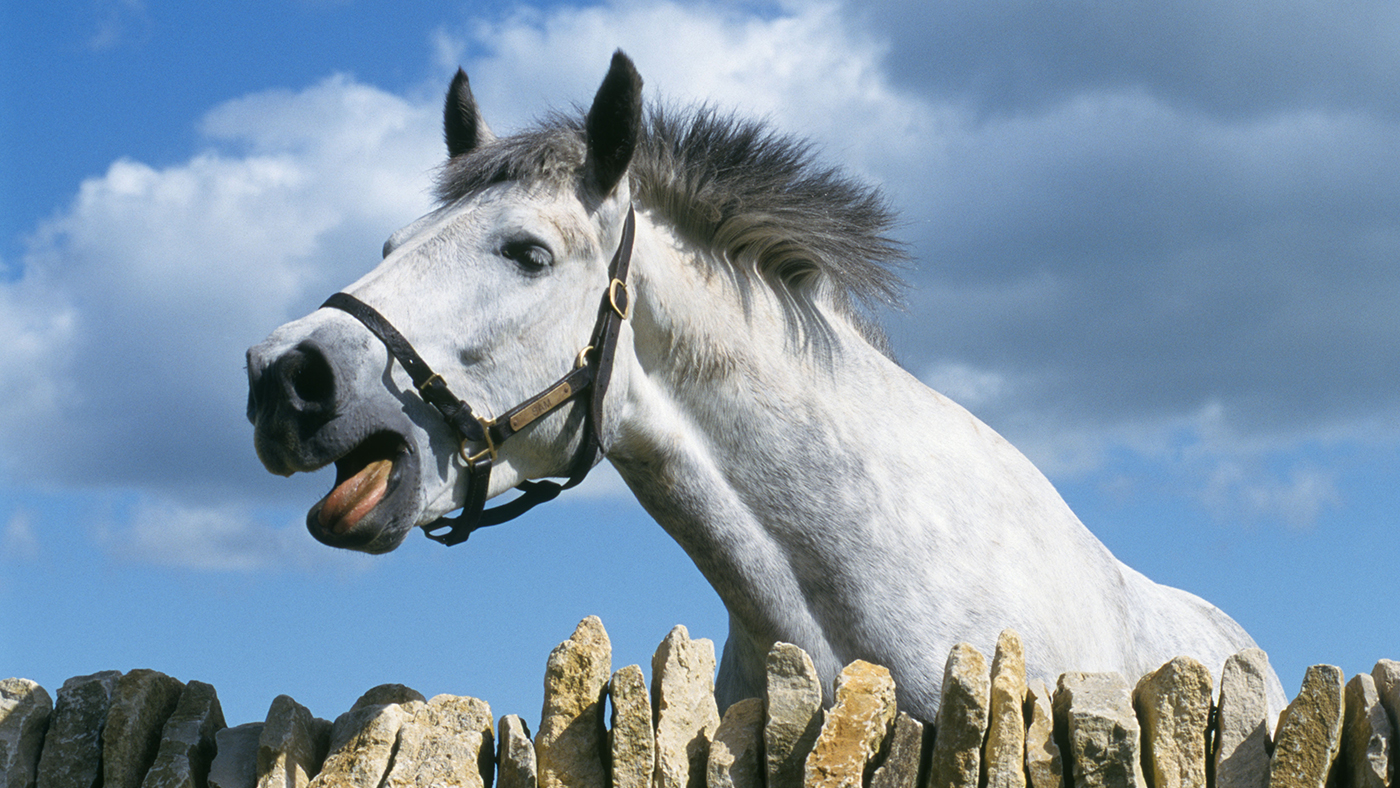
Scientists have discovered that horses produce their signature call using two completely different sound-making systems at once: they vibrate their vocal folds like we do when singing to create a low tone, while simultaneously generating a high-pitched whistle inside their larynx
Scientists have traced the origin of the modern horse to a lineage that emerged 4,200 years ago PhysOrg - June10, 2024
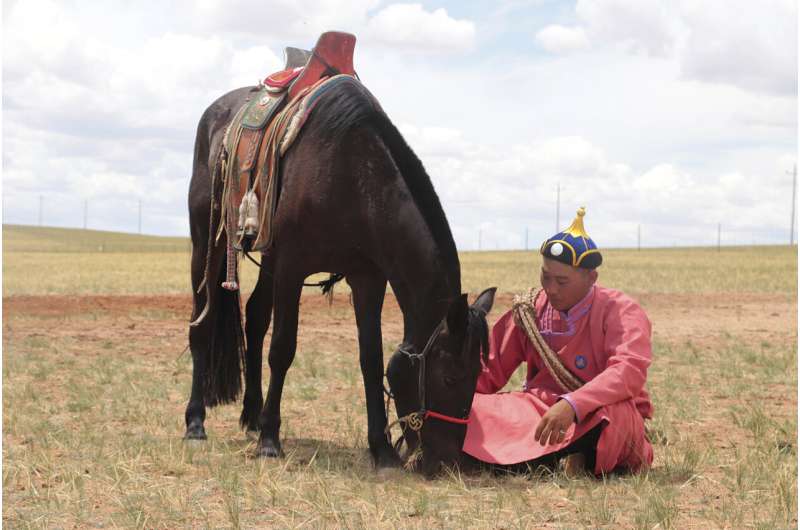
The horse transformed human history - and now scientists have a clearer idea of when humans began to transform the horse.
40 Przewalski wild horse species return to the Kazakh steppes in this vast Central Asian country PhysOrg - June 9, 2024
After a few hesitant steps following a long flight from Prague, three Przewalski horses galloped off for the first time into the Kazakh steppe sthe native habitat of this endangered species.
1st bioengineered hybrid animals discovered - in ancient Mesopotamia Live Science - January 14, 2022
Mesopotamians were using hybrids of domesticated donkeys and wild asses to pull their war wagons 4,500 years ago at least 500 years before horses were bred for the purpose, a new study reveals. The analysis of ancient DNA from animal bones unearthed in northern Syria resolves a long-standing question of just what type of animals were the "kungas" described in ancient sources as pulling war wagons.
Genetic Tracing Reveals Where The Powerful Ancestor of Modern Horses Came From Science Alert - October 21, 2021

The ancestral homeland of all modern domestic horses was likely located along the steppes of Western Eurasia around 4,200 years ago, according to new genetic research. 'Within just 1,000 years, the powerful and docile horses raised here, in what is now modern Russia, seem to have replaced all the other breeds in Europe and Asia.
Archaeologists on ancient horse find in Nile River Valley PhysOrg - April 25, 2018

An ancient horse burial at Tombos along the Nile River Valley shows that a member of the horse family thousands of years ago was more important to the culture than previously thought, which provides a window into human-animal relationships more than 3,000 years ago.
How the horse became the only living animal with a single toe The Guardian - August 23, 2017

They can reach speeds of more than 40km an hour, clear hurdles more than eight feet high and even pirouette – and they manage it all with just one toe on each foot. Now researchers say they have unpicked how and why horses ended up with their unusual extremities. The only living animals with a single toe, equines (such as horses and zebras) had ancestors with multiple digits on their feet, with early relatives having four on their front feet and three on their back. While it has long been thought that the shift was linked to horses moving from forest to grassland environments, it was unclear how this anatomical change happened. Now researchers say they have cracked the conundrum.
Horses can communicate with us by pointing at symbols BBC - September 24, 2016

Horses have joined a select group of animals that can communicate by pointing at symbols. Scientists trained horses, by offering slices of carrot as an incentive, to touch a board with their muzzle to indicate if they wanted to wear a rug. The horses' requests matched the weather, suggesting it wasn't a random choice. A few other animals, including apes and dolphins, appear, like us, to express preferences by pointing at things.
Horses can read human emotions, study shows PhysOrg - February 10, 2016

For the first time horses have been shown to be able to distinguish between angry and happy human facial expressions. Psychologists studied how 28 horses reacted to seeing photographs of positive versus negative human facial expressions. When viewing angry faces, horses looked more with their left eye, a behavior associated with perceiving negative stimuli. Their heart rate also increased more quickly and they showed more stress-related behaviors.
Horses' mobile ears are 'communication tool' BBC - August 5, 2014
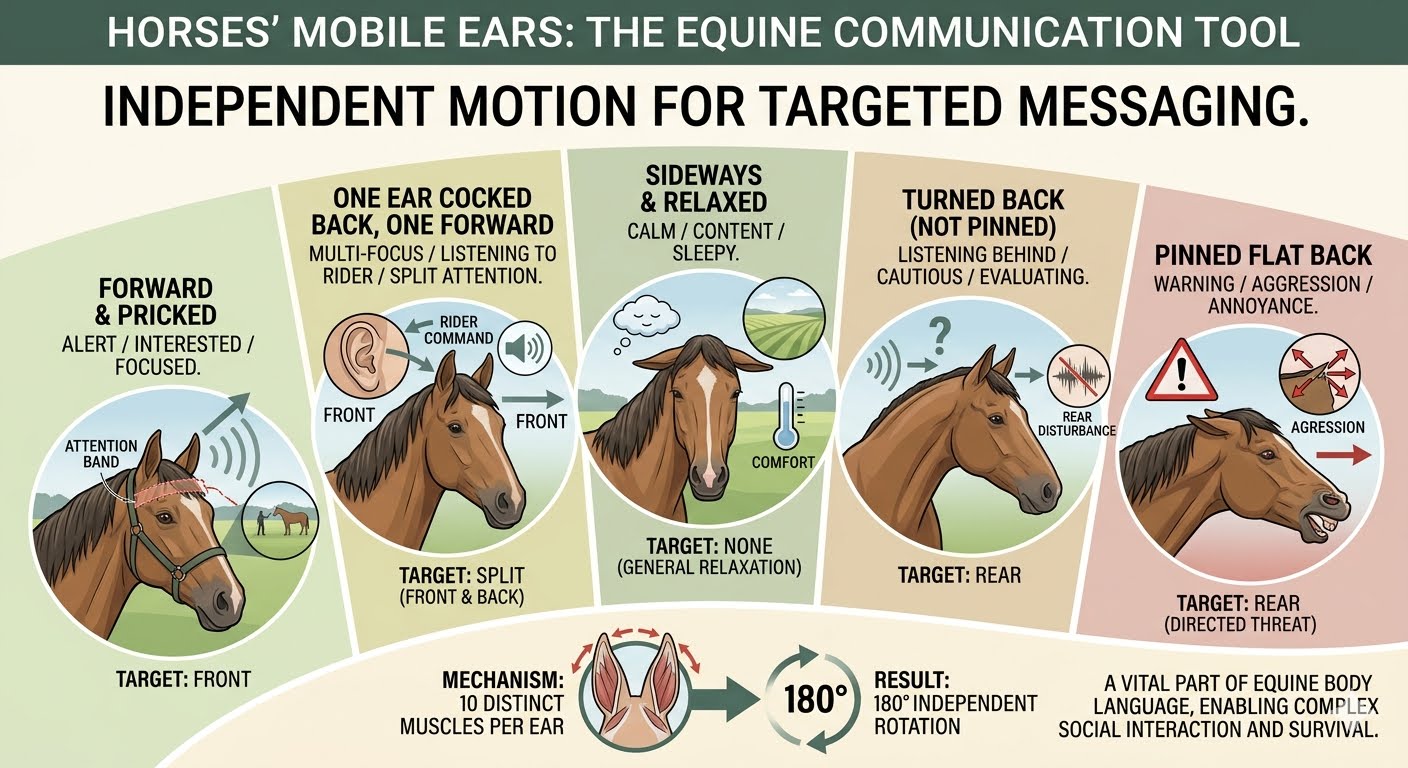
Very mobile ears help many animals direct their attention to the rustle of a possible predator. But a study in horses suggests they also pay close attention to the direction another's ears are pointing in order to work out what they are thinking. Researchers from the University of Sussex say these swiveling ears have become a useful communication tool.
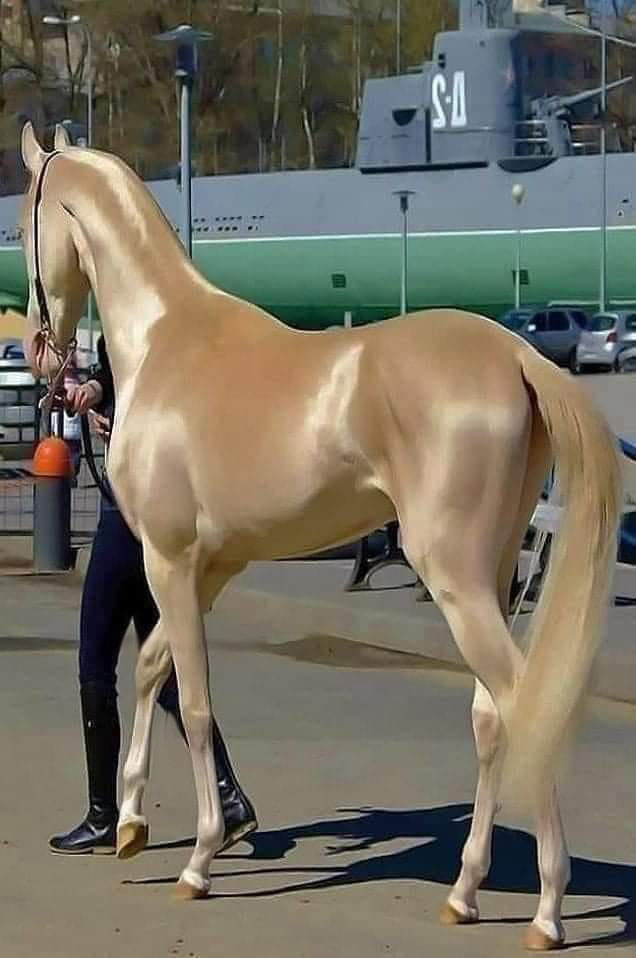
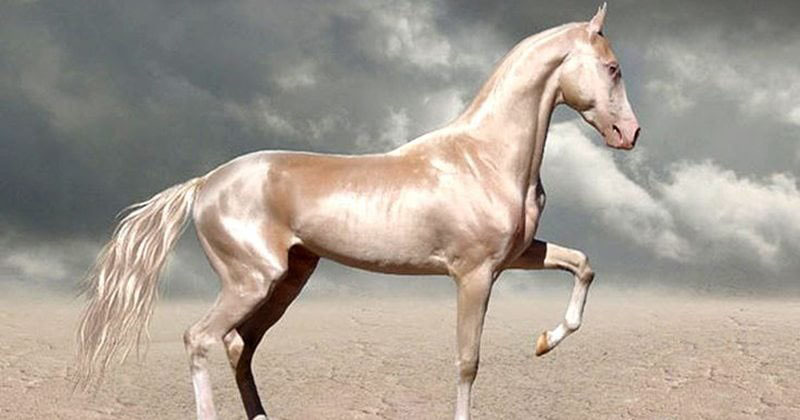
They look like they belong to mythological gods. The Akhal-Teke is an incredibly rare breed of horse. There are very few of them left in the world. Found mostly in Turkmenistan and Russia they are the national emblem of Turkmenistan. They have a reputation for speed and endurance, intelligence, and a distinctive metallic sheen. The shiny coat of the breed led to their nickname, "Golden Horses". More stunning images
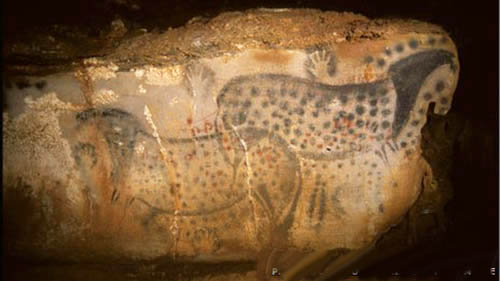
Horse Fossils
Zebras
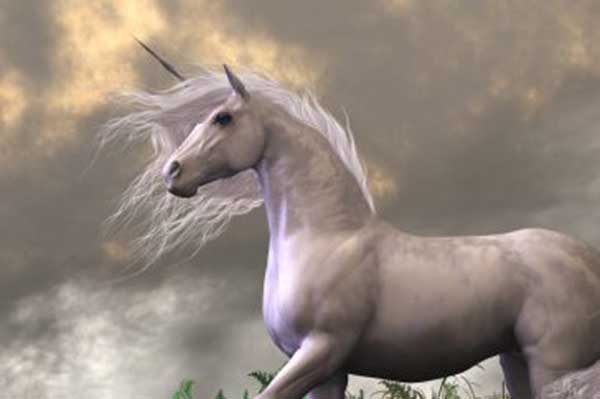
Unicorns