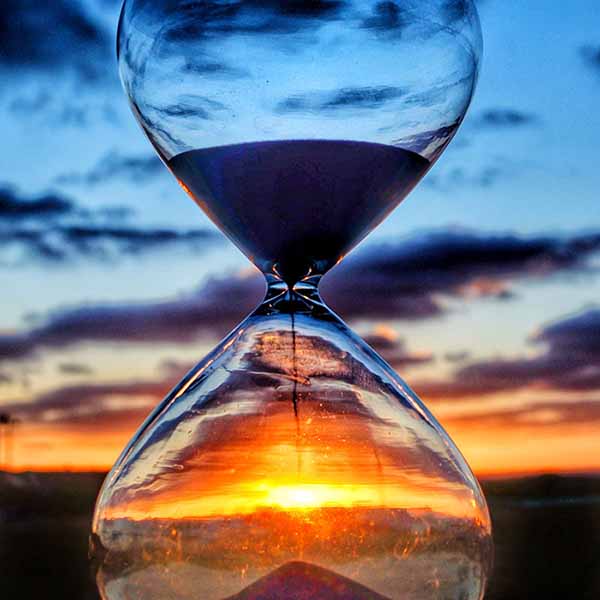
It all began in the sands of time where ancient winds carried the first stories across the deserts of the Middle East, and the struggle for freedom became etched into the earliest chapters of human history. Empires rose and fell, belief systems were born, and the fight for identity, land, and truth took root in ways that still echo today.
Those early conflicts were not just about territory - they were about meaning, survival, and the right to define one's destiny. From those origins, a pattern emerged: humanity continuously navigating the tension between power and liberation, fear and hope, division and unity.
Even today, these narratives are being written across that same landscape as not isolated events, but extensions of a long, unfinished story. Each generation inherits the echoes of the past, reshaping them through its own lens, yet often repeating familiar cycles.
Perhaps the deeper truth is this. The human journey had a beginning - with the same soul creating different narratives while playing memorable roles in each - now coming full circle in the sands of time.
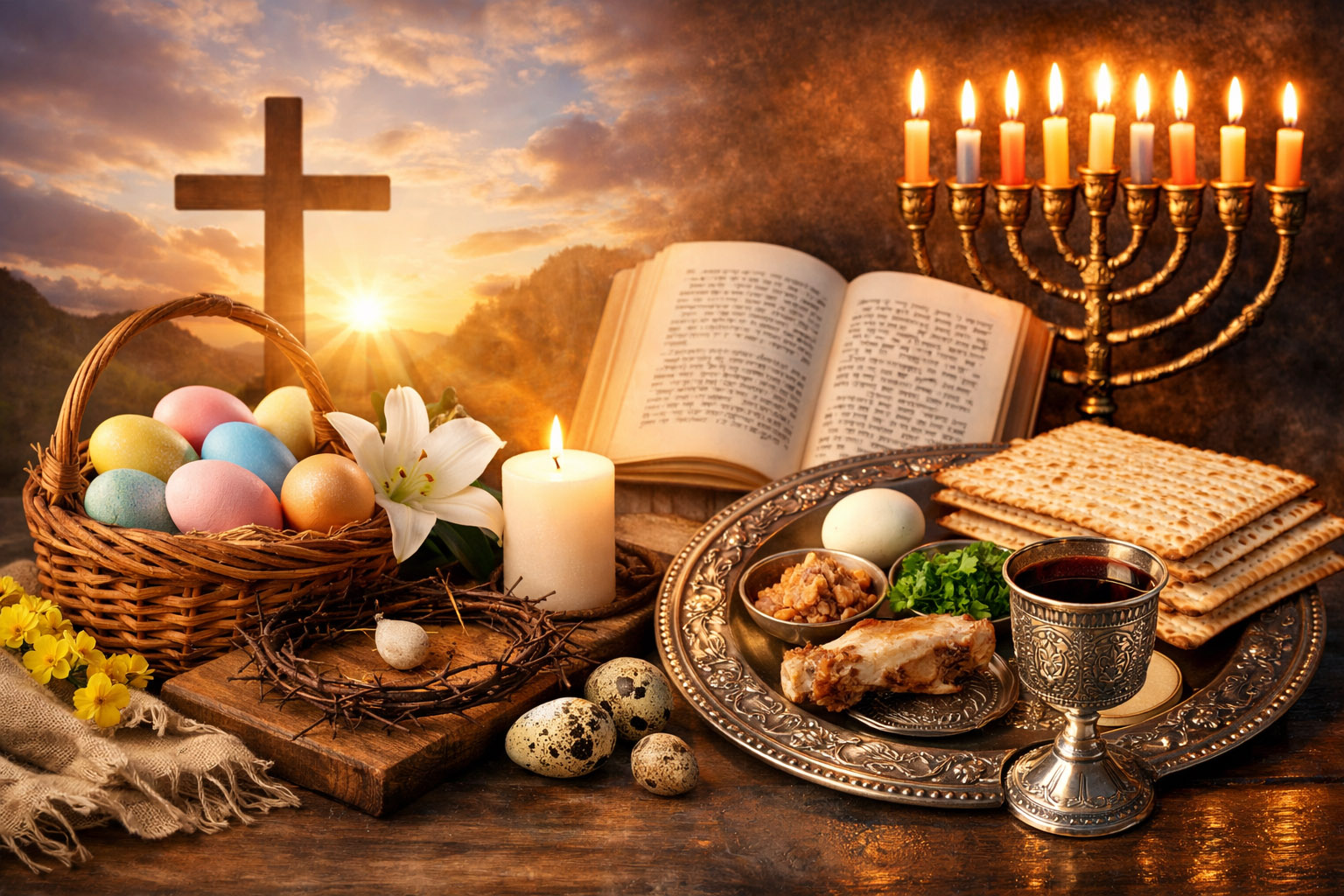
This week brings a meaningful convergence of two sacred traditions unfolding side by side - Easter and Passover. Though rooted in different histories and beliefs, both holidays speak to something deeply human - renewal, liberation, and the enduring hope for something better.
Easter, in the Christian tradition, symbolizes resurrection and rebirth. It's a story of light emerging from darkness, of faith tested and restored. Across churches and homes, it is a time of reflection, gratitude, and the quiet understanding that even in the most uncertain moments, transformation is possible.
At the same time, Passover tells the story of freedom - the journey from oppression to liberation. It is remembered through rituals, storytelling, and the gathering of loved ones around the Seder table. The message is timeless: resilience matters, memory matters, and the pursuit of freedom is never out of date.
What makes this week especially powerful is the shared emotional landscape between the two. Both holidays honor the past while pointing toward the future. Both ask us to pause, reflect, and reconnect - with our beliefs, our families, and ourselves.
In a world that often feels chaotic and divided, this overlap creates a quiet moment of unity. Different paths, different traditions - yet similar themes: hope after hardship, light after darkness, and the possibility of renewal in our own lives.
Whether you are celebrating one, both, or simply observing the energy of the moment, this holiday week offers something universal. It reminds us that no matter where we stand, we are all moving through cycles - endings, beginnings, and the space in between where change quietly takes root.
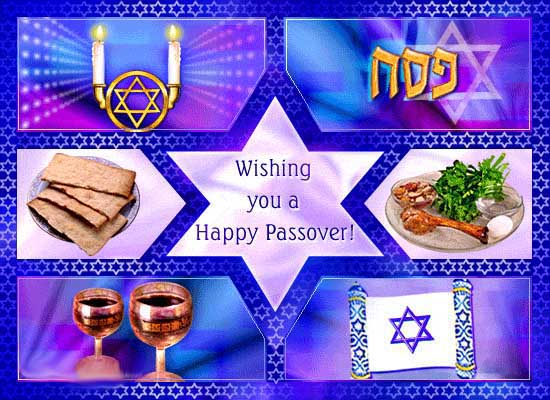
Passover - Wikipedia
Passover is the Jewish festival celebrating the exodus of the Israelites from Egyptian slavery. To this day Israelites continue the fight for freedom and a homeland.
As Israeli conflicts continue across the Middle East - Iran, Gaza, other - the themes of Passover feel less like distant history and more like a bridge connecting the past and present. As an experiment in emotions and survival - the only thing people can do is hope events resolve themselves in humanity's eternal quest for peace in a bipolar physical reality - forever challenged.
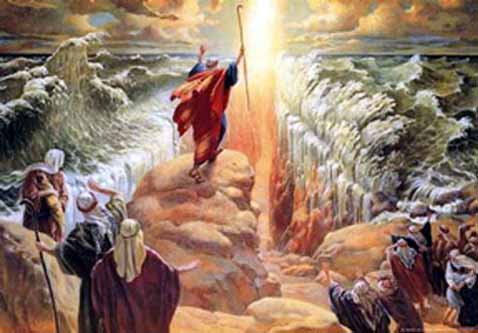
Did Moses physically part the Red Sea - or is that a myth, or something created by extraterrestrials, or by the simulation itself? The unexplained is often called miracles, but in a physical reality, everything has to be based on physical guidelines to create an illusion.
Whatever happened back in the day - makes for an interesting narrative in the journey of the Hebrew people - forever seeking freedom and a homeland - as are so many people around the world today driven by chaos and climate.

To those celebrating, have a wonderful day.
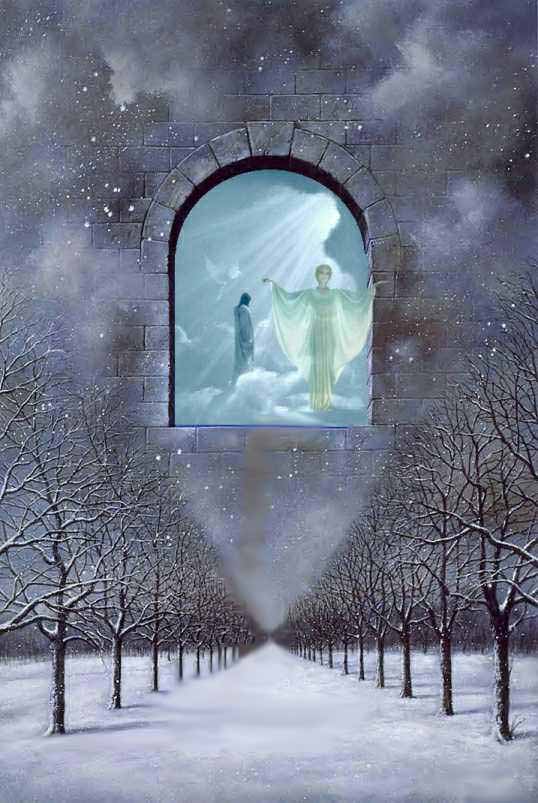
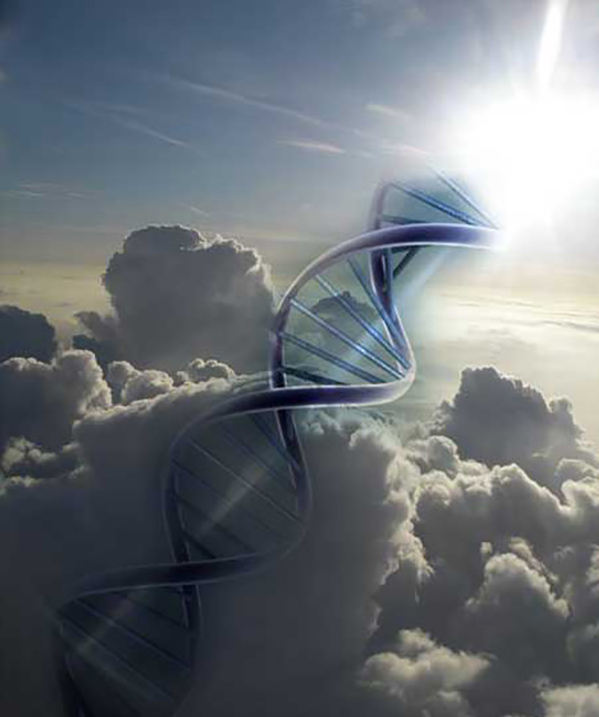
Human programming (DNA) - incorporates the belief in a god who created everything then left with a promise of returning one day to save humanity as it evolves to another level of consciousness or experience having learned from and studied human emotions.
These stories or myths all following the same algorithm - no matter where - no matter when - no matter who. They are part of streaming consciousness in the grids that give life to physical reality.
Resurrection is the concept of coming back to life after death. In a number of religions we find this in reference to 'god'.
Reincarnation is a similar process hypothesized by some religions involving the same soul returning in a different body.
With the advent of written records, the earliest known recurrent theme of resurrection was in the Canaanite and Egyptian religions, which had cults of dying-and-rising gods - notably Osiris.
Ancient Greek religion generally emphasized immortality. In this mythos certain humans were made immortal after being resurrected from the dead.
There are stories in Buddhism where the power of resurrection was allegedly demonstrated in Chan or Zen tradition.
In Hinduism, the core belief in resurrection/reincarnation is known as SamSara.
Dharmic religions also include belief in resurrection and reincarnation.
The general resurrection of the dead is a standard eschatological belief in the Abrahamic religions involving resurrection of individual souls or a belief in a singular bodily resurrection at the end of the world (simulation).
The death and resurrection of Jesus is a central focus of Christianity. Will this actually happen?
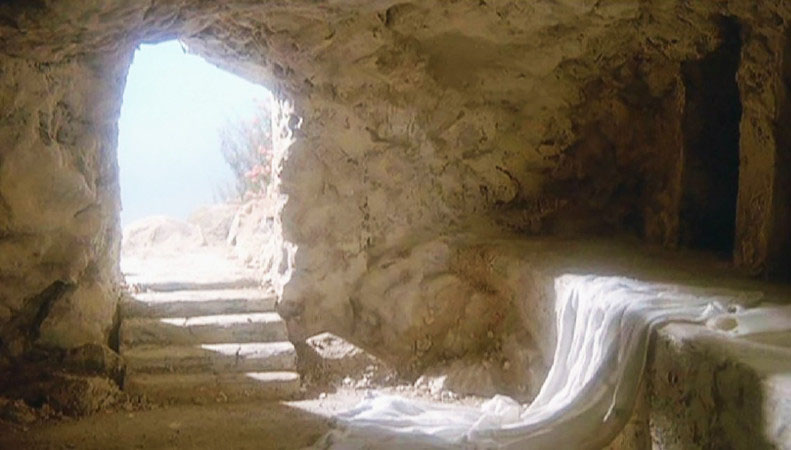
To believe that Jesus was entombed in a cave - one must understand that a cave symbolizes the mind, consciousness, or the grids that create the illusion of this reality. To walk 'out of the cave' - is to be free of this consciousness experiment.
As you sit there ... pause ... take a slow deep breath ... open your mind to infinite possibilities ...
Do you see the return of Jesus or any other savior or guide ... alien or otherwise? What do you see?
Remember ...
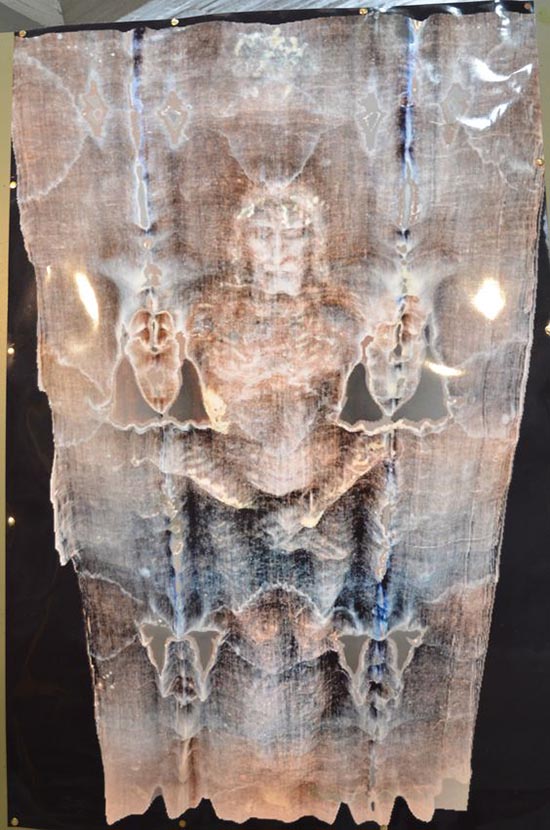
Shroud of Turin
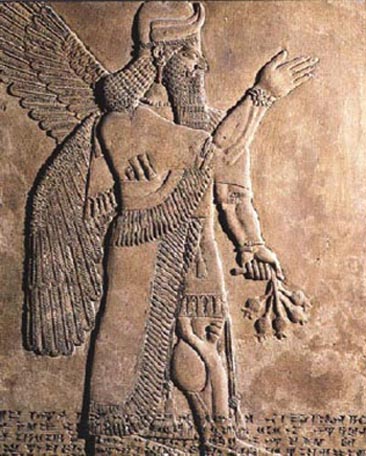
Is Jesus wearing an Anunnaki wrist device (teleportation, communication) which makes him part of Zoroaster's bloodline - or they are one and the same soul in different roles and timelines? Are they who we envision as extraterrestrial?
I never believed the story of the shroud nor do I believe in religion. Just more busy work to deflect from the fact that we live in a simulation. As for the wrist device - coincidence and yet we know there are no coincidences. It's all one story told in different iterations.