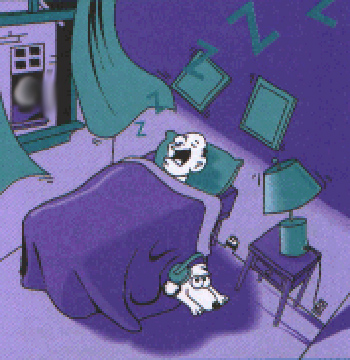
A sleep disorder (somnipathy) is a medical disorder of the sleep patterns of a person or animal. Some sleep disorders are serious enough to interfere with normal physical, mental and emotional functioning. A test commonly ordered for some sleep disorders is the polysomnogram.
Wearable ultrasound patch boosts REM sleep without drugs or surgery Science Daily - August 7, 2026

A new wearable patch may help people reach REM sleep faster and remain there longer without medication or surgery. In a study of 28 participants, the device shortened the time to REM by 43 minutes and extended it by about 16 minutes. Researchers also observed signs of improved stress regulation and changes in brain circuits tied to emotion.
New Wearable Patch Boosts REM Sleep Without Drugs or Surgery SciTech Daily - July 14, 2026

A restless night can leave more than fatigue behind. REM sleep plays a central role in emotional processing, stress adaptation and mental recovery, and persistent disruptions to this stage have been linked to conditions including depression, anxiety and post-traumatic stress disorder.
Your brain does something surprising when you don’t sleep Science Daily - January 20, 2026
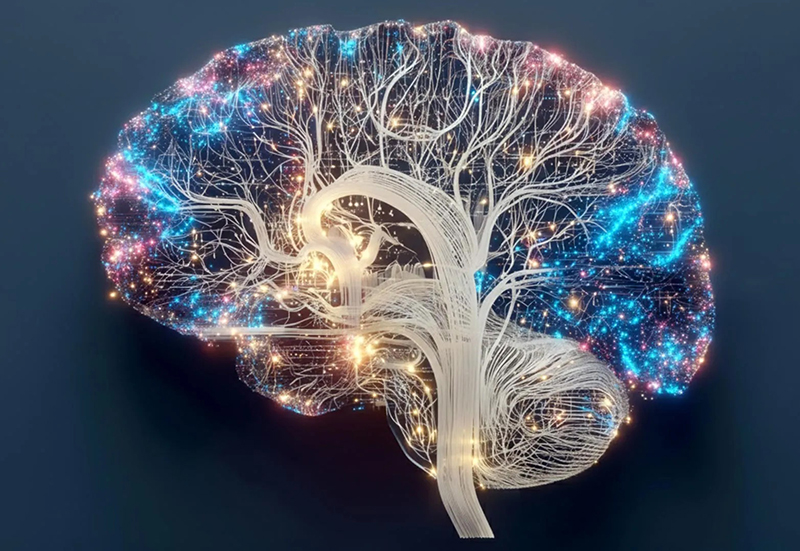
When you’re exhausted, your brain may choose to clean itself instead of paying attention. When you’re short on sleep and your focus suddenly drifts, your brain may be briefly slipping into cleanup mode. Scientists discovered that these attention lapses coincide with waves of fluid washing through the brain, a process that usually happens during sleep. It’s the brain’s way of compensating for missed rest. Unfortunately, that internal cleaning comes at the cost of momentary mental shutdowns.
New Pill Could Finally Treat Sleep Apnea Without a Mask SciTech Daily - December 18, 2025

A clinical trial has found that the drug sulthiame can reduce breathing pauses and improve sleep quality in people with obstructive sleep apne. The results suggest a potential medication based option for patients who are unable to tolerate breathing masks.
6 Sleep myths damaging your health BBC - April 16, 2019
Myth 1 - You can cope on less than five hours of sleep
Myth 2 - Alcohol before bed boosts your sleep
Myth 3 - Watching TV in bed helps you relax
Myth 4 - If you're struggling to sleep, stay in bed
Myth 5 - Hitting the snooze button
Myth 6 - Snoring is always harmless
Hypersomnia: Symptoms, causes and treatments Live Science - January 23, 2023
Hypersomnia is a chronic condition characterized by episodes of excessive daytime sleepiness or prolonged nighttime sleep (over 11 hours), according to the National Institute of Neurological Disorders and Stroke. This disorder can be rooted in neurological disruptions, or it can be a result of poor sleep hygiene and other lifestyle factors. It is not known exactly how many people experience excessive sleepiness.
The term hypersomnia is often used interchangeably with excessive daytime sleepiness, or hypersomnolence. Individuals with hypersomnia find it difficult to wake up, and they feel the need to nap repeatedly throughout the day. In addition, sleep doesn’t tend to relieve feelings of exhaustion and sleepiness.
Hypersomnia is not a life-threatening condition, according to the NINDS, but it can lead to serious consequences, including accidents caused by falling asleep while driving.
Symptoms:
Anxiety
Irritability
Low energy levels
Restlessness
Slow speech
Loss of appetite
Hallucinations
Memory problems
Not being able to function in social, occupational or other settings
The most common sleep disorders include:
Bruxism: Involuntarily grinding or clenching of the teeth while sleeping
Delayed sleep phase syndrome (DSPS): inability to awaken and fall asleep at socially acceptable times but no problem with sleep maintenance, a disorder of circadian rhythms. Other such disorders are advanced sleep phase syndrome (ASPS) and Non-24-hour sleep-wake syndrome (Non-24), both much less common than DSPS.
Hypopnea syndrome: Abnormally shallow breathing or slow respiratory rate while sleeping
Narcolepsy: The condition of falling asleep spontaneously and unwillingly at inappropriate times
Night terror, Pavor nocturnus, sleep terror disorder: abrupt awakening from sleep with behavior consistent with terror
Parasomnias: Include a variety of disruptive sleep-related events
Periodic limb movement disorder (PLMD): Sudden involuntary movement of arms and/or legs during sleep, for example kicking the legs. Also known as nocturnal myoclonus.
Rapid eye movement behavior disorder (RBD): Acting out violent or dramatic dreams while in REM sleep
Restless legs syndrome (RLS): An irresistible urge to move legs. RLS sufferers often also have PLMD.
Situational circadian rhythm sleep disorders: shift work sleep disorder (SWSD) and jet lag
Obstructive sleep apnea: Obstruction of the airway during sleep, causing lack of sufficient deep sleep; often accompanied by snoring. Central sleep apnea is less common.
Sleep paralysis is characterized by temporary paralysis of the body shortly before or after sleep. Sleep paralysis may be accompanied by visual, auditory or tactile hallucinations. Not a disorder unless severe.
Sleepwalking or somnambulism: Engaging in activities that are normally associated with wakefulness (such as eating or dressing), which may include walking, without the conscious knowledge of the subject
Just about anything can cause a sleep disorder - emotional, physical - internal or external. Fear is a strong component of loss of sleep as it produces anxiety, sweats and palpitations. Sleep loss can be temporary or long term, and will cause illnesses as a result. The mind was not built to go without sleep - a time in which the soul processes in another frequency. Changes in life style, such as a shift work change (SWC), can contribute to sleep disorders.
Other problems that can affect sleep:
Physical illness and Allergies
Back pain, or other pain
Chronic pain
Sciatica
Neck pain
Environmental noise
Incontinence
Drugs - Many drugs can affect the ratio of the various stages of sleep, thus affecting the overall quality of sleep. Poor sleep can lead to accumulation of Sleep debt.
Endocrine imbalance mainly due to Cortisol but not limited to this hormone. Hormone changes due to impending menstruation or during the menopause transition years.
Chronobiological disorders, mainly Circadian rhythm disorders
Treatments for sleep disorders generally can be grouped into four categories:
behavioral/ psychotherapeutic treatments
rehabilitation/management
medications
other somatic treatments
None of these general approaches is sufficient for all patients with sleep disorders. Rather, the choice of a specific treatment depends on the patient's diagnosis, medical and psychiatric history, and preferences, as well as the expertise of the treating clinician. Often, behavioral/psychotherapeutic and pharmacological approaches are not incompatible and can effectively be combined to maximize therapeutic benefits. Management of sleep disturbances that are secondary to mental, medical, or substance abuse disorders should focus on the underlying conditions.
Medications and somatic treatments may provide the most rapid symptomatic relief from some sleep disturbances. Some disorders, such as narcolepsy, are best treated pharmacologically. Others, such as chronic and primary insomnia, may be more amenable to behavioral interventions, with more durable results.
Special equipment may be required for treatment of several disorders such as obstructive apnea, the circadian rhythm disorders and bruxism. In these cases, when severe, an acceptance of living with the disorder, however well managed, is often necessary.