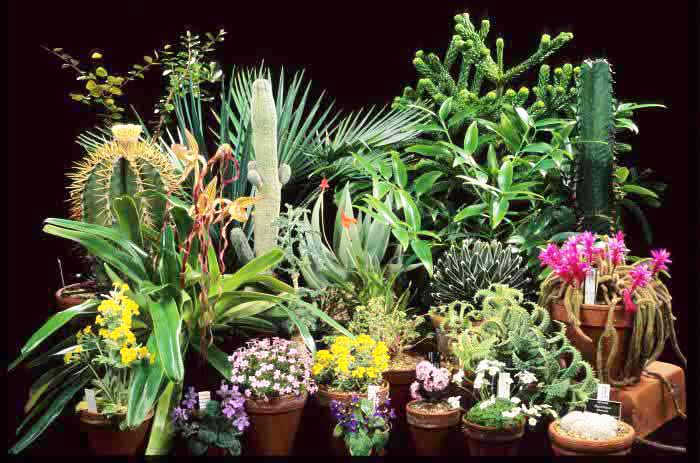
Botany is the branch of biology that deals with plants. It involves the study of the structure, properties, and biochemical processes of all forms of plant life, including trees. As a branch of biology, it is also sometimes referred to as plant science(s) or plant biology. Botany covers a wide range of scientific disciplines that study the growth, reproduction, metabolism, development, diseases, and evolution of plants.
Also included within its scope are plant classification and the study of plant diseases and of the interactions of plants with their physical environment. Over the years various specialized branches of botany have developed, and the principles and findings of botany, moreover, have provided the base on which depend such applied plant sciences as agriculture, horticulture, and forestry.
Botany originated as Herbalism, the study and use of plants for their medicinal properties. The early recorded history of botany includes many ancient writings and plant classifications. Examples of early botanical works have been found in ancient sacred texts from India dating back to before 1100 BC, archaic Avestan writings, and works from China before it was unified in 221 BC.

Bach Flower Remedies
Bach flower remedies are dilutions of flower "essences" developed by Dr. Edward Bach. They are similar to homeopathy in many respects and form a part of alternative medicine. Some researchers believe that they exert their claimed effects via the placebo effect, however practitioners feel the "energetic signature" of the flower can be transmitted to the user and affect a person's psychological state.
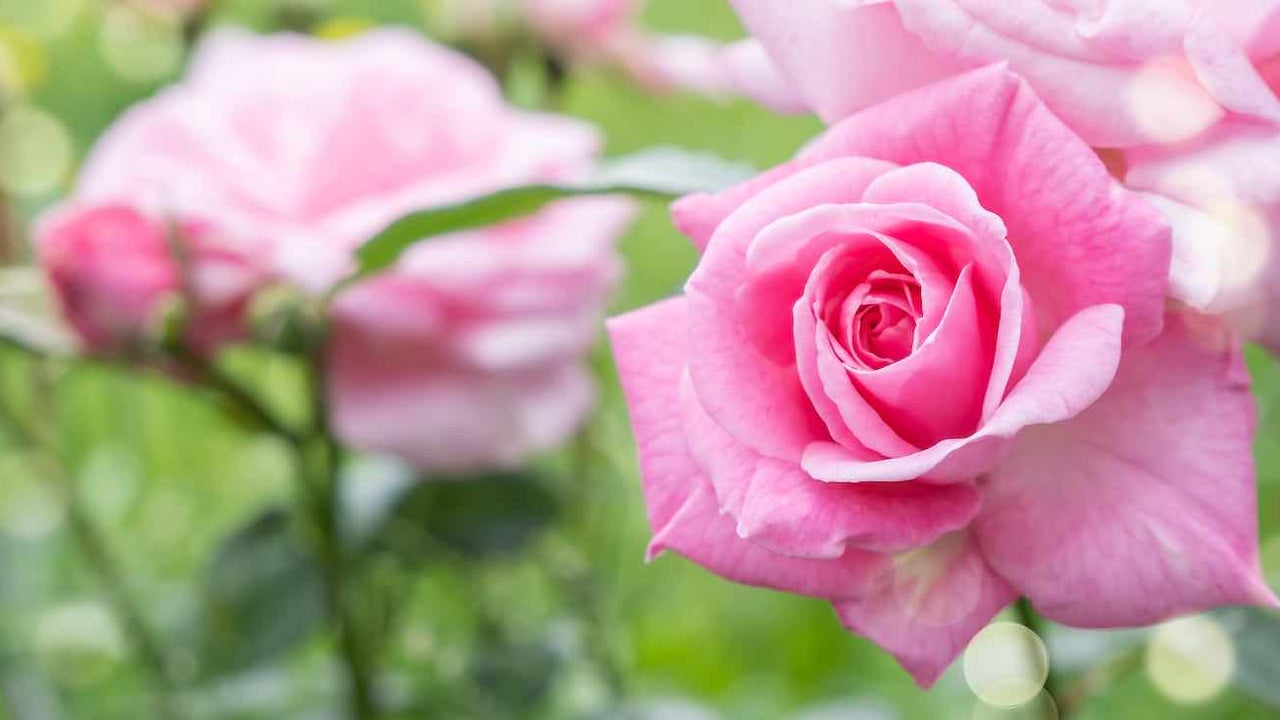
Remontant is a botanical word that refers to a plant that blooms or produces more than once in a growing season or year. From the French, it literally means 'rising again' and is particularly used to describe cultivated roses that have the ability to flower multiple times a year, which are sometimes called remontants, recurrents or repeat flowering roses.
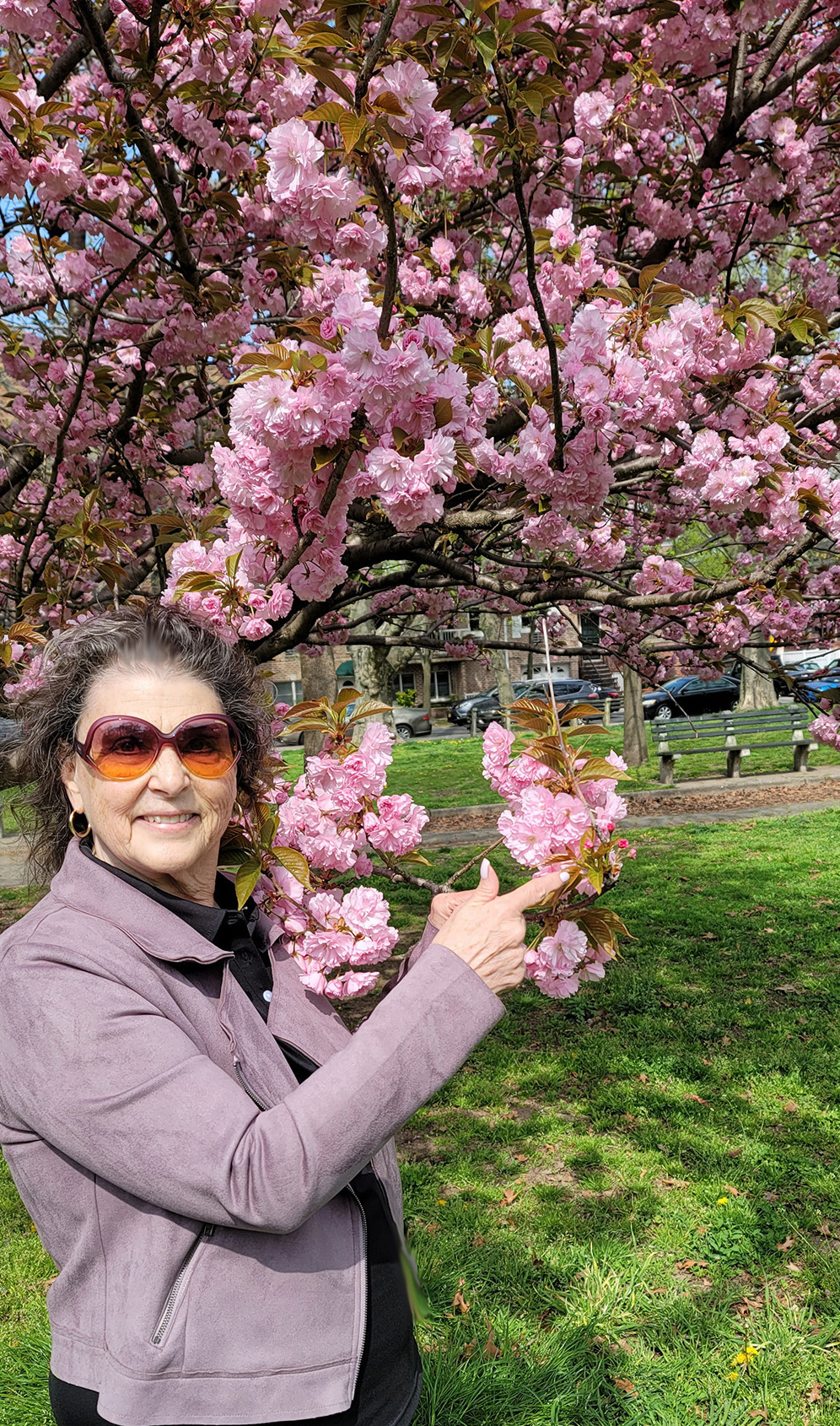
One of the reasons people get so excited about seeing cherry trees in full blossom this time of the year is that cherry trees are not remontant, which means you only get one chance per year to see them in their glory.
Modern botany traces its roots back to Ancient Greece, specifically to Theophrastus (c. 371-287 BC), a student of Aristotle who invented and described many of its principles and is widely regarded in the scientific community as the "Father of Botany". His major works, 'Enquiry into Plants and On the Causes of Plants,' constitute the most important contributions to botanical science until the Middle Ages, almost seventeen centuries after they were written.
In mid-16th century, "botanical gardens" were founded in a number of Italian universities - the Padua botanical garden in 1545 is usually considered to be the first which is still in its original location. These gardens continued the practical value of earlier "physic gardens", often associated with monasteries, in which plants were cultivated for medical use. They supported the growth of botany as an academic subject. Lectures were given about the plants grown in the gardens and their medical uses demonstrated. Botanical gardens came much later to northern Europe; the first in England was the University of Oxford Botanic Garden in 1621. Throughout this period, botany remained firmly subordinate to medicine.
German physician Leonhart Fuchs (1501Ð1566) was one of "the three German fathers of botany", along with theologian Otto Brunfels (1489-1534) and physician Hieronymus Bock (1498-1554) (also called Hieronymus Tragus). Fuchs and Brunfels broke away from the tradition of copying earlier works to make original observations of their own. Bock created his own system of plant classification.
Physician Valerius Cordus (1515Ð1544) authored a botanically and pharmacologically important herbal Historia Plantarum in 1544 and a pharmacopoeia of lasting importance, the Dispensatorium in 1546.[20] Naturalist Conrad von Gesner (1516-1565) and herbalist John Gerard (1545-c. 1611) published herbals covering the medicinal uses of plants. Naturalist Ulisse Aldrovandi (1522-1605) was considered the father of natural history, which included the study of plants. In 1665, using an early microscope, Polymath Robert Hooke discovered cells, a term he coined, in cork, and a short time later in living plant tissue.
In the 17th century, as a result of the earlier revival of learning and of increased facilities for travel and study in Europe and Asia, many more plants became known, and some botanists turned from medical botany to attempts to name and catalog all known kinds of plants.
In the 18th century the greatest figure in botany was the Swedish scientist Carolus Linnaeus. His most valuable and lasting contributions were his careful descriptions of approximately 6,000 species arranged in genera (the same arrangement used today), his collation of the species that he knew with the names and descriptions of previous botanists, and his rules of nomenclature.
He established binomial nomenclature - i.e., the naming of each species by two words, of which the first is the name of the genus to which it belongs and the second is a qualifying word, usually an adjective (e.g., the dog rose is Rosa canina).
Even in this early period, botany was becoming specialized. While many botanists were occupied only with the classes and names of plants, the foundations of anatomy, morphology, and physiology were being laid. The important field of genetics was initiated in the 19th century, principally through the work of the Austrian botanist Gregor Mendel.
Modern botany is a broad, multidisciplinary subject with inputs from most other areas of science and technology. Research topics include the study of plant structure, growth and differentiation, reproduction, biochemistry and primary metabolism, chemical products, development, diseases, evolutionary relationships, systematics, and plant taxonomy. Dominant themes in 21st century plant science are molecular genetics and epigenetics, which are the mechanisms and control of gene expression during differentiation of plant cells and tissues. Botanical research has diverse applications in providing staple foods and textiles, in modern horticulture, agriculture and forestry, plant propagation, breeding and genetic modification, in the synthesis of chemicals and raw materials for construction and energy production, in environmental management, and the maintenance of biodiversity. Read more ...
Moss Is Generating Electrical Waves That Look Startlingly Like a Neural Network Science Alert - July 22, 2026
Mosses are some of the earliest plants that appeared in the fossil record, but they're anything but simple. A new study, published in Royal Society Open Science, reveals that moss cushions produce surprisingly complex electrical activity, with patterns that undulate across the velvety patch in dynamic waves.
This Common Houseplant Is Secretly Using Advanced Geometry SciTech Daily - May 20, 2026
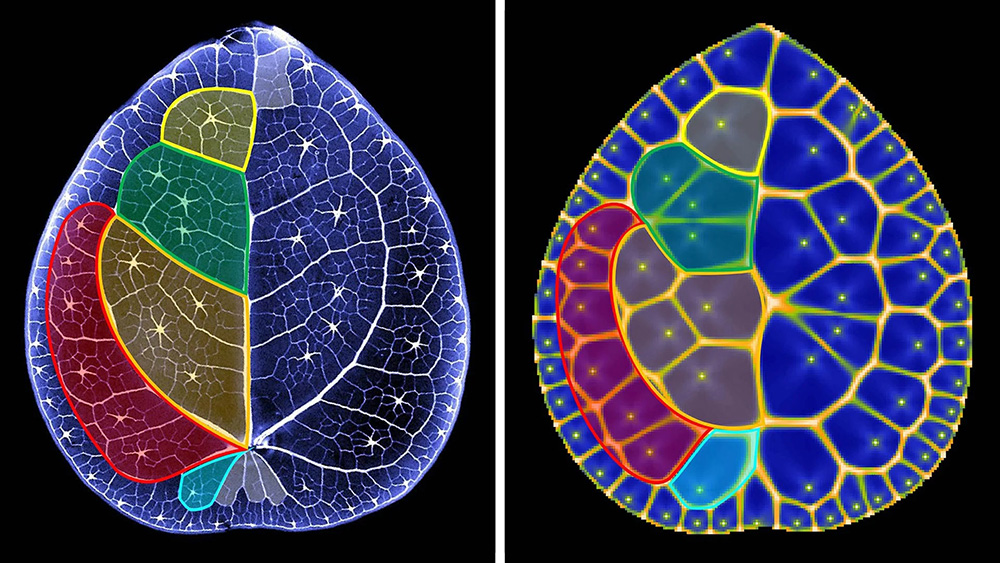
Chinese money plants are perennial plants native to China's Yunnan and Sichuan provinces. They are also widely grown as decorative houseplants and are commonly given as gifts. Their circular leaves contain visible pores called hydathodes. Surrounding these pores are looping reticulate veins that move water and nutrients throughout the leaf. By carefully studying the arrangement of the pores and veins, Navlakha and Zheng identified a naturally occurring Voronoi pattern within the leaves.
Cacti are evolving shockingly fast and scientists just learned why Science Daily - May 13, 2026

Cacti may look like slow, stubborn desert survivors, but they're actually evolving at lightning speed. Scientists studying more than 750 cactus species discovered that what really drives the explosion of new cactus species isn't flower size or specialized pollinators, but how quickly cactus flowers change shape over time. The finding overturns a long-standing idea dating back to Darwin and reveals deserts as surprisingly dynamic ecosystems where evolution is happening fast. New research reveals that cacti create new species surprisingly quickly, despite their slow-growing reputation. The secret isn't flower size, but how rapidly their flowers change shape over time.
How plants moved from sea to land and changed Earth forever Live Science - March 16, 2026

A geoscientist explains how the first plants came to exist on Earth, long before the dinosaurs, and how their growth shaped life on our planet as we know it.
This Ancient Plant Is From a Meteorite. Scientist Stunned by Water Inside 400-Million-Year-Old Plant SciTech Daily - November 3, 2025

A strange plant with ancient roots may hold a hidden record of Earth's forgotten climates. What researchers found inside its stems could reshape how we trace the planet's past.
Scientists just found the 'master switch' for plant growth. This breakthrough could redefine how we grow food, feed animals, and produce biofuels in the future. Science Daily - September 16, 2025
Scientists at Cold Spring Harbor Laboratory have cracked open the secrets of plant stem cells, mapping key genetic regulators in maize and Arabidopsis. By using single-cell RNA sequencing, they created a gene expression atlas that identifies rare stem cell regulators, links them to crop size and productivity, and offers a new roadmap for breeding resilient, high-yield plants.
A volcano erased an island's plants. Their DNA revealed how life starts over Science Daily - September 15, 2025
Volcanic eruptions on the remote island of Nishinoshima repeatedly wipe the land clean, giving scientists a rare chance to study lifeÕs earliest stages. Researchers traced the genetic origins of an extinct purslane population to nearby Chichijima but found striking quirksÑevidence of a founderÕs effect and genetic drift. These discoveries shed light on how plants recolonize harsh environments and how ecosystems evolve from scratch.
Plants have a secret, second set of roots deep underground that scientists didn't know about

A global analysis deep in soil found 20% of plants studied have an unexpected deeper set of roots more than 3 feet underground.
Kilimanjaro's giant groundsels: The strange prehistoric plants that thrive on Africa's tallest mountain Live Science - May 30, 2025

Giant groundsels are rare plants that grow up to 30 feet (9 meters) tall. They are endemic to the slopes of Mount Kilimanjaro, a dormant volcano in Tanzania and Africa's tallest mountain. On the middle-altitude slopes of Mount Kilimanjaro grows a strange plant not found anywhere else on Earth. The giant groundsel, a plant that looks like a pineapple crossed with a saguaro cactus, colonized the flanks of Africa's tallest mountain up to 1 million years ago and has not budged since.
Ferns Can Evolve Backwards, Challenging a Common Assumption on Life Science Alert - December 16, 2024

In many types of ferns - one of the oldest groups of plants on Earth - evolution of reproductive strategies has been a two-way street, with plants at times evolving "backward" to less specialized forms.
Ferns That Can Evolve Backward, Challenging Our Assumptions About Plant Evolution IFL Science - December 16, 2024

Where did the 1st seeds come from? Live Science - November 18, 2024
From delicate dandelions to mighty oak trees, millions of plants use seeds to reproduce. But where did the first seeds come from? Seeds have helped plants evolve into a breathtaking variety of forms that fill our world with color and provide us with food and medicine. It's difficult to imagine where plants would be today without seeds. That raises a question: Where did the first seeds come from? Plants started using seeds to reproduce toward the end of the Devonian period (419 million to 359 million years ago). Scientists are still studying the exact evolutionary origins of seeds, but the earliest confirmed seeding-plant fossils are from the Famennian age, which began around 372 million years ago.
Fossilized 350 Million-Year-Old Plant Is Like Nothing You've Ever Seen Before IFL Science - February 3, 2024
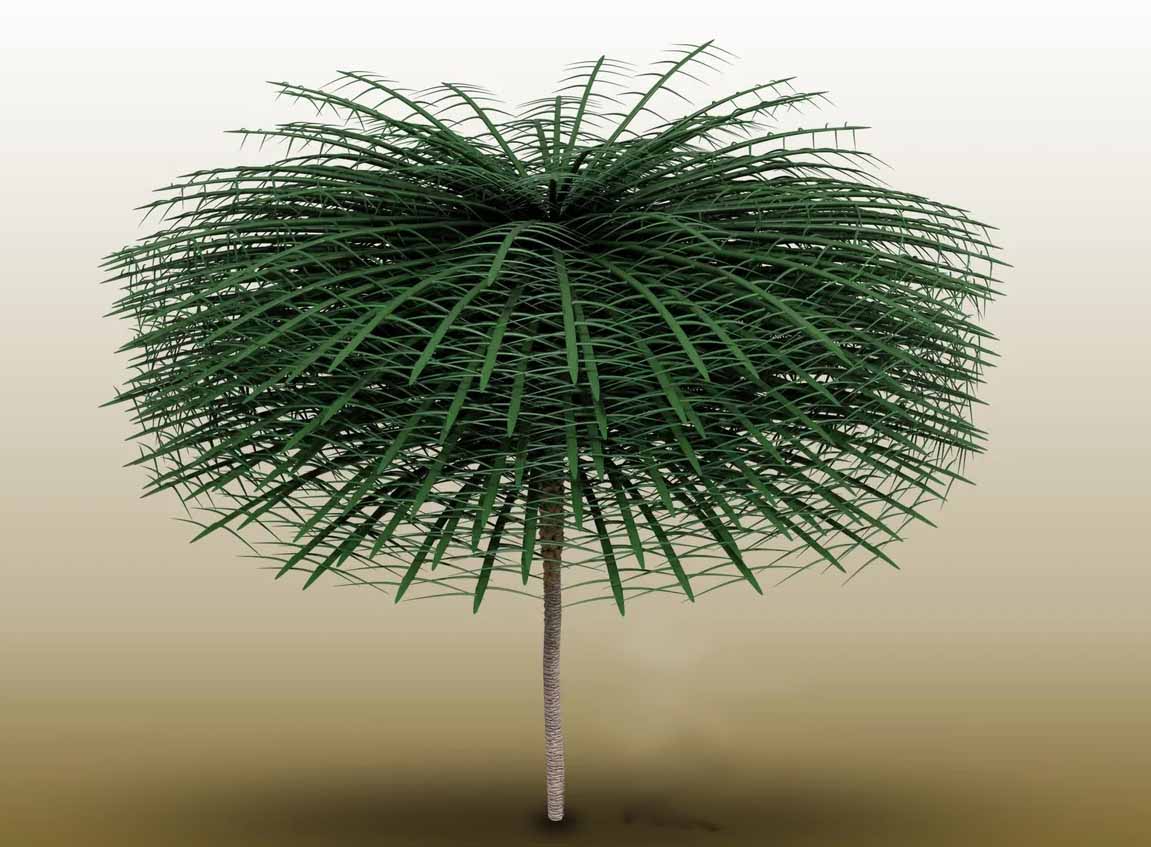
While fossilized plants turn up fairly often in the fossil record, they are usually preserved as a trunk or the odd leaf, giving little idea of what the whole tree might have looked like. Newly discovered fossilized trees from New Brunswick, Canada however have enough in the record to reveal that they had a very surprising appearance that has never been seen before.
Scientists Film Plant 'Talking' to Its Neighbor, And The Footage Is Incredible Science Alert - January 17, 2024
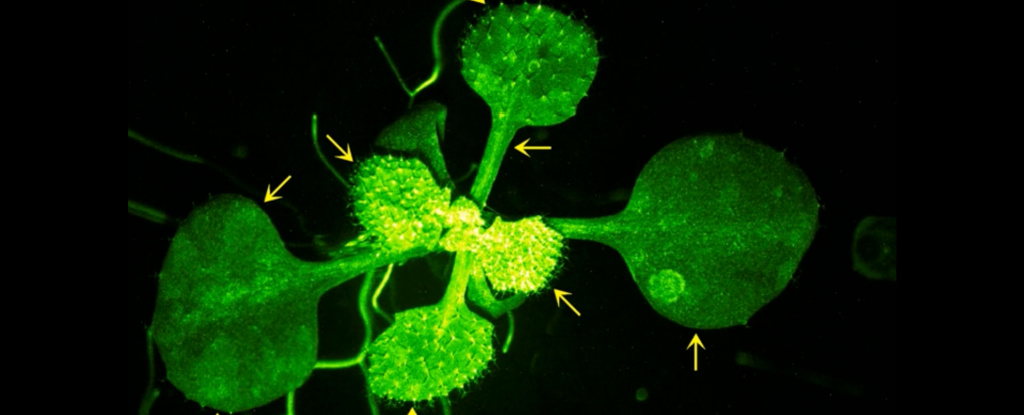
Imperceptible to us, plants are surrounded by a fine mist of airborne compounds that they use to communicate and protect themselves. Kind of like smells, these compounds repel hungry herbivores and warn neighboring plants of incoming assailants.
The keys to plant aging are hidden in the leaves PhysOrg - January 17, 2024
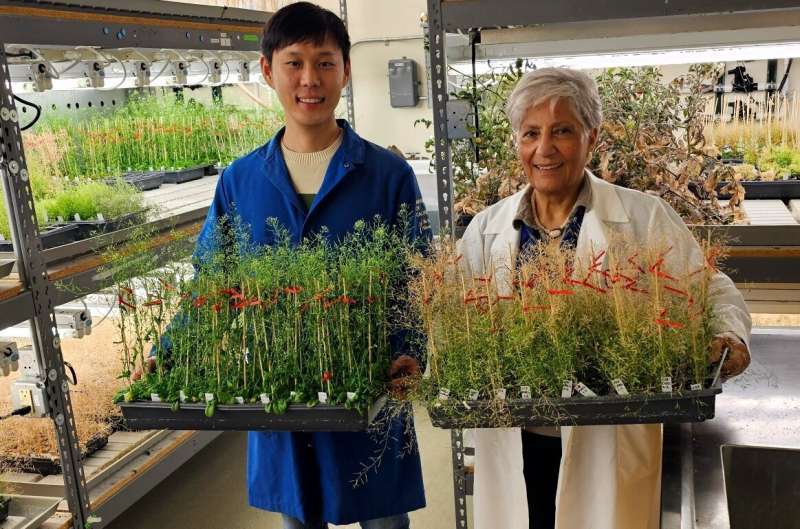
All eukaryotic organisms have Golgi bodies in their cells. Now, plants can serve as a platform to explore the intricacies of the Golgi's role in human aging. For this reason, the research team is planning further studies of the molecular mechanisms behind the results from this study. Not only does our research advance our knowledge about how plants age, but it could also provide crucial clues about aging in humans.
https://www.sciencealert.com/images/2023/10/CalciumSignallingVisualisedInPlant.jpg
Hunt For Lost Blue Orchid On Extinct Volcano Finds Brand New Fiery Red Species IFL Science - January 11, 2024
A long-lost species of orchid had scientists scrambling over the summit of Mount Nok on Waigeo - a remote island in West Papua, Indonesia - in the hopes of tracking it down. The successful expedition not only rediscovered the blue beauty Dendrobium azureum, but also stumbled upon a new-to-science species that was bright red.
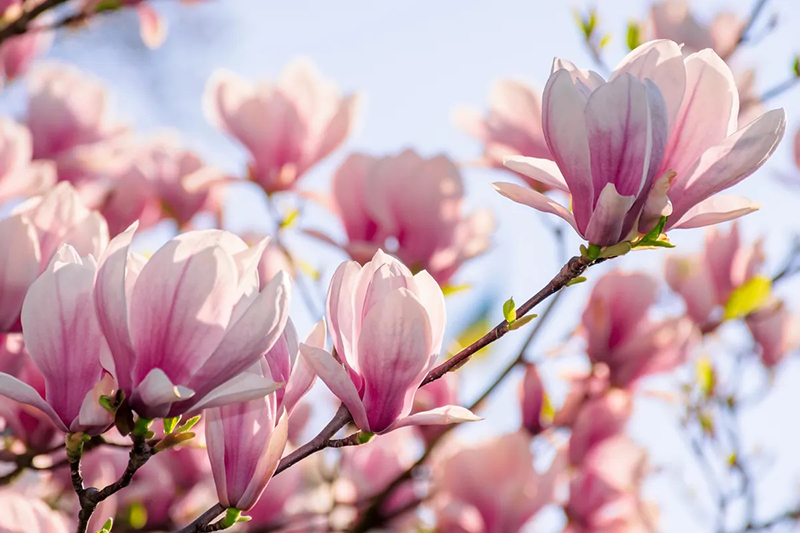
The ancestors of modern day magnolia flowers survived the mass extinction that killed non-avian dinosaurs IFL Science - September 13, 2023
How Plants Pass Down Genetic Memories Has Been Revealed IFL Science - August 29, 2023
Epigenetic inheritance is very important for many organisms, including plants. Now, scientists have uncovered even more about this mechanism, which could have major implications for food supply, agriculture, and the environment. Epigenetic inheritance is very important for many organisms, including plants. Now, scientists have uncovered even more about this mechanism, which could have major implications for food supply, agriculture, and the environment.
Can Plants Die Of Old Age? How Long Can They Live? IFL Science - July 12, 2023
As you may have found out if youÕve ever dabbled in horticulture: plants die. Too much water, too little water, insufficient light, lack of nutrients, parasites, disease - these are among the reasons your favorite fern may have made its way to the big plant pot in the sky. Environmental factors, such as these, all help determine a plantÕs longevity, but, as in our own species, genetics also has a part to play. In the absence of adverse conditions, plants may live for longer but they will eventually die of old age.
407-Million-Year-Old Fossilized Plant Bamboozles Scientists By Not Following Fibonacci Sequence IFL Science - July 6, 2023
The world of botany is usually pretty good at following certain rules. It was previously thought that because the Fibonacci sequence is present in the structure of so many extant plant species, it must have evolved in some of the earliest living plant species. However, an ancient species, one of the first examples of a plant with leaves in the fossil record, has thrown a spanner into the understanding of this by having leaves arranged in such a way that canÕt be described by Fibonaaci numbers.
India's Ingenious Living Root Bridges. Each artfully engineered suspension bridge takes decades to establish, but they are a vital means of moving through dense, wet jungles. IFL Science - July 4, 2023
In the jungles of Meghalaya in Northeast India, the Indigenous Khasi and Jaintia tribal communities have come up with an artful solution to getting around by manipulating trees to form living root bridges.
Plants aren't silent. They make clicking sounds when thirsty or under stress CNN - March 30, 2023
The research shakes up what most botanists thought they knew about the plant kingdom, which had been considered largely silent, and suggests the world around us is a cacophony of plant sounds.
Plants Really Do 'Scream' Out Loud. We Just Never Heard It Until Now. Science Alert - March 31, 2023
Otherworldly 'fairy lantern' plant, presumed extinct, emerges from forest floor in Japan Live Science - March 1, 2023
The mysterious plant, Thismia kobensis, belongs to a rarely seen, fungus-sapping genus. The plants grow underground without photosynthesis yet send translucent flowers to sprout like ghostly lanterns from the forest floor.
Ethereal New Plant Species Doesn't Use Photosynthesis - It's Found Something Sneakier Science Alert - January 2, 2023
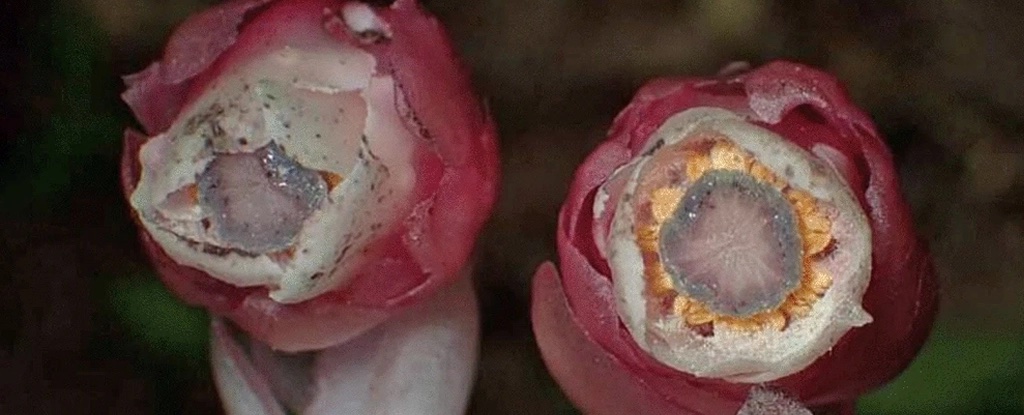
Found widely across East and Southeast Asia, from the Himalayas to Japan, Monotropastrum humile was thought to be a single species. Now researchers from Japan and Taiwan have discovered a pink-hued plant that qualifies as a unique species in its own right, one they've named Monotropastrum kirishimense.
Wood wide webs Ð incredible networks of fungi and plant roots that span entire forests Ð act as highways for nutrient deliveries as well as wires for transferring information between plants via electrical and chemical signals. These connections help strengthen a forest as a whole by distributing resources from nutrient-rich to nutrient-poor areas of the network. They also allow plants to warn each other of predators and even help protect them from drought.
Plants evolved even earlier than we thought, exquisite 3D fossils suggest Live Science - September 25, 2022
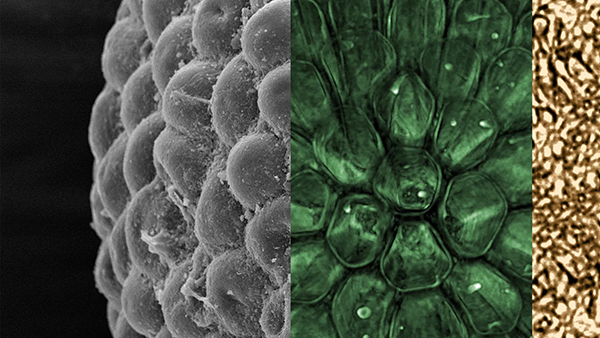
These organisms have survived virtually unchanged through 5 mass extinctions and half a billion years.
The largest known plant on Earth - a seagrass roughly three times the size of Manhattan - has been discovered off the coast of Australia BBC - June 1, 2022
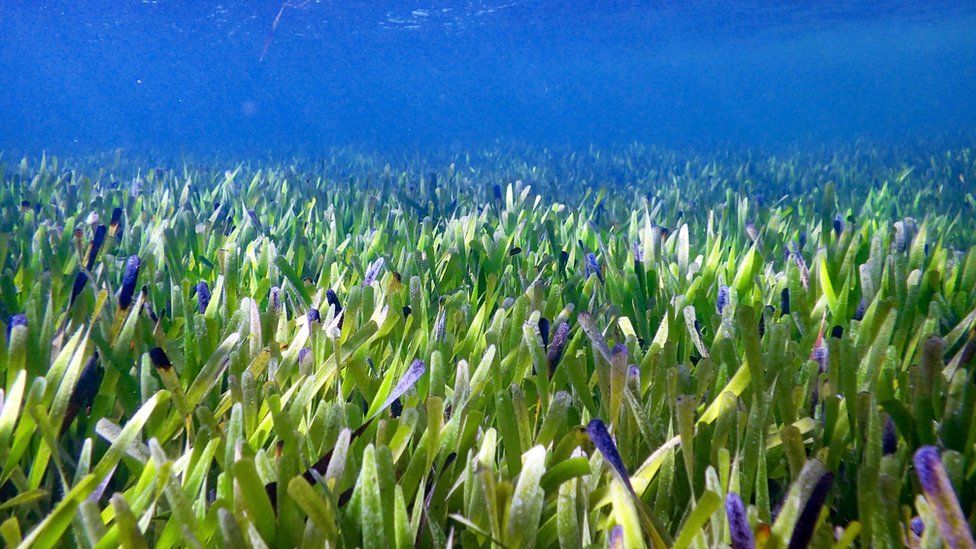
Using genetic testing, scientists have determined a large underwater meadow in Western Australia is in fact one plant. It is believed to have spread from a single seed over at least 4,500 years. The seagrass covers about 200 sq km (77 sq miles), researchers from the University of Western Australia said. The team stumbled upon the discovery by accident at Shark Bay, about 800km (497 miles) north of Perth.
164 million-year-old plant fossil is the oldest example of a flowering bud. The discovery changes what we know about the evolution of flowering plants Live Science - January 19, 2022
Researchers have uncovered the earliest example of a flower bud in a 164 million-year-old plant fossil in China. The discovery firmly pushes back the emergence of flowering plants into the Jurassic period, between 145 million and 201 million years ago.
The fossil, which was uncovered in the Inner Mongolia region of China, is 1.7 inches (4.2 centimeters) long and 0.8 inches (2 cm) wide. It contains a stem, a leafy branch, a bulbous fruit and a tiny flower bud around 3 square millimeters in size. The researchers have named the new species Florigerminis jurassica.
New Evidence Challenges The Idea That Mutations Are Entirely Random Science Alert - January 13, 2022
It's a common misconception that evolution has a sense of direction Ð a notion that biology nerds around the world are constantly trying to correct. But new research reveals there may be a semblance of truth to this misconception, at least more than we ever realized. While it's not as straightforward as mutation with a purpose, it now appears that not all DNA is equal when it comes to being mutable.
How 'Flower Power' Quite Literally Transformed Earth Millions of Years Ago Creating the world for us to flourish Science Alert - January 8, 2022
Following the time of the dinosaurs, it might well be that the evolution of flowering plants drove the explosion in the diversity of life on Earth, according to a 2021 paper. Most of the plants we now eat, drink, wear, and build with are of the flowering variety. They're called angiosperms, which roughly translates from Greek as 'seed vessels'.
For The First Time, Researchers Just Watched How Plants Slurp Up Water Science Alert - August 7, 2021
Plants thirst for water, just as we animals do, but exactly how they slurp it through their tissues has remained a bit of a mystery as attempting to see it happening impairs the process. By applying a gentle imaging technique in a new way physicist Flavius Pascut and the team were able to watch plants' innards at work as they drank in real time.
Scientists Identify New Flower From a Forest That Existed 100 Million Years Ago Science Alert - December 24, 2020
This strange, extinct flower doesn't just offer clues about the history of floral evolution. According to Poinar Jr., V. pleristaminis and other Burmese amber angiosperm fossils like it may also help to solve an outstanding mystery about the ancient supercontinent Gondwana from which these plants first arose.
Billion-year-old green algae is an ancestor of all plants on Earth Live Science - February 26, 2020
The oldest green seaweed on record, the ancestor of all land plants, lived about 1 billion years ago, a new study finds. Scientists have discovered the fossils of what may be the oldest green algae ever known. The newfound seaweed - called Proterocladus antiquus - lived about a billion years ago. And even though it was tiny, about 0.07 inches (2 millimeters) in length, the algae had a big role: It could produce oxygen through photosynthesis.
Frozen in time: World's oldest lily found in Brazil grew 115 million years ago and has a fossilized flower and intact cells Daily Mail - July 12, 2019
The world's oldest preserved lily has been unearthed from a stone quarry in Brazil and dates back to around 115 million years ago. The fossil is exceptionally well-preserved - and includes the plant's roots, a flower and even individual cells. It is though to have originally have grown along the banks of a freshwater lake in what is today the city of Crato in northeastern Brazil.
Researchers discover meat-eating pitcher plant in Ontario, Canada's Algonquin Park wetlands consume not just bugs but also young salamanders PhysOrg - June 8, 2019
Pitcher plants growing in wetlands across Canada have long been known to eat creatures mostly insects and spiders that fall into their bell-shaped leaves and decompose in rainwater collected there.
Earliest records of three plant groups uncovered in the Permian of Jordan PhysOrg - January 2, 2019
A "hidden cradle of plant evolution" has been uncovered in Jordan. In Permian sedimentary rocks exposed along the east coast of the Dead Sea, a team led by paleobotanists from the University of MŸnster discovered well-preserved fossils of plant groups bearing characteristics typical of younger periods of Earth history. The Permian began some 300 million years ago and ended around 250 million years ago.
Researchers unlock secrets of plant development PhysOrg - August 23, 2018
Researchers have discovered an internal messaging system that plants use to manage the growth and division of their cells. These growth-management processes are critical for all organisms, because without them, cells can proliferate out of control as they do in cancers and bacterial infections. Plants use this messaging system to survive under harsh conditions or to compete successfully when conditions are favorable. It tells them when to grow, when to stagnate, when to flower, and when to store resources all based on the prevailing conditions. Understanding how it all works could enable innovations in agriculture, forestry and conservation as climate change takes hold.
Stomata - the plant pores that give us life -arise thanks to a gene called MUTE, scientists report PhysOrg - May 7, 2018
Through photosynthesis, they use sunlight and carbon dioxide to make food, belching out the oxygen that we breathe as a byproduct. This evolutionary innovation is so central to plant identity that nearly all land plants use the same pores - called stomata -to take in carbon dioxide and release oxygen. Stomata are tiny, microscopic and critical for photosynthesis. Thousands of them dot on the surface of the plants. Understanding how stomata form is critical basic information toward understanding how plants grow and produce the biomass upon which we thrive.
Plants colonized the Earth 100 million years earlier than previously thought PhysOrg - February 20, 2018
For the first four billion years of Earth's history, our planet's continents would have been devoid of all life except microbes. All of this changed with the origin of land plants from their pond scum relatives, greening the continents and creating habitats that animals would later invade. The timing of this episode has previously relied on the oldest fossil plants which are about 420 million years old.