
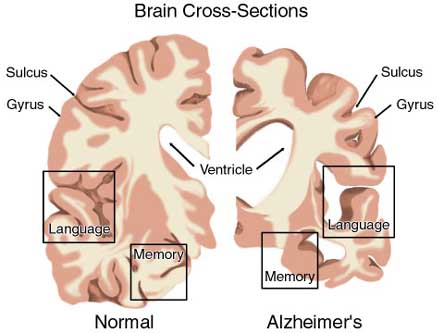
Alzheimer's disease (AD), also known as Alzheimer disease, is the most common form of dementia. The most common early symptom is difficulty in remembering recent events. As the disease advances, symptoms can include confusion, irritability, aggression, mood swings, trouble with language, and long-term memory loss. As a person's condition declines they often withdraw from family and society. Gradually, bodily functions are lost, ultimately leading to death. Although the speed of progression can vary, the average life expectancy following diagnosis is approximately seven years. Fewer than 3% of individuals live more than 14 years after diagnosis.
Alzheimer's disease is classified as a neurodegenerative disorder, the cause and progression of which are poorly understood. The disease process appears to be associated with plaques and tangles in the brain. Initial symptoms are often mistaken for 'age-related' concerns, or manifestations of stress. The diagnosis is usually confirmed with tests that evaluate behavior and thinking abilities, often followed by a brain scan. Examination of brain tissue; however, is required for a definite diagnosis. Mental stimulation, exercise, and a balanced diet have been suggested as ways to delay cognitive symptoms (though not brain pathology) in healthy older individuals, but there is no conclusive evidence supporting an effect.
No treatments stop or reverse its progression, though some may temporarily lessen symptoms. Because AD is progressive, the affected person increasingly relies on others for assistance. The role of the main caregiver is often taken by the spouse or a close relative. It may place a great burden on caregivers; the pressures can be wide-ranging, involving social, psychological, physical, and economic elements of the caregiver's life.
Most often, AD is diagnosed in people over 65 years of age, although the less-common early-onset Alzheimer's can occur in much younger people. Read more ...
FDA-Approved Seizure Drug May Stop Alzheimer's Before It Starts SciTech Daily - March 2, 2026

Scientists Discover Natural Longevity Molecule That Restores Memory in Alzheimer's Models SciTech Daily - January 17, 2026
Scientists studying the biology of aging have identified a naturally occurring molecule that appears to restore key brain functions disrupted in Alzheimer's disease. In experimental models, the compound improved communication between neurons and revived early memory processes that normally deteriorate with age.
New Drug Stalls Alzheimer's Development in Breakthrough Trial Science Alert - December 23, 2025
Growing evidence suggests that the key to treating Alzheimer's is catching it in its earliest stages. Now scientists have developed a promising new drug that seems to be effective at stalling the disease before it really gets started.
Scientists just cracked the code on 'Junk DNA' linked to Alzheimer's Science Daily - December 19, 2025

Researchers have revealed that so-called Junk DNA contains powerful switches that help control brain cells linked to Alzheimer's disease. By experimentally testing nearly 1,000 DNA switches in human astrocytes, scientists identified around 150 that truly influence gene activity - many tied to known Alzheimer's risk genes. The findings help explain why many disease-linked genetic changes sit outside genes themselves. The resulting dataset is now being used to train AI systems to predict gene control more accurately.
A new test could reveal Alzheimer's before symptoms appear Science Daily - December 17, 2025

A simple blood test could soon reveal the earliest metabolic warning signs of Alzheimer's - years before symptoms take hold. Researchers at Northern Arizona University are testing a new approach that could make it easier for clinicians to spot Alzheimer's disease sooner and slow its progression.
Alzheimer's May Hijack Your Cells' Clocks, Hinting at New Treatments Science Alert - November 11, 2025

The daily rhythm of genetic activity varies between individual cell types in ways that depend on their states of health, a recent study has found, revealing details on the relationship between Alzheimer's disease and our brain's operational routine.This cycle is known as the circadian rhythm.
Learning One Word Could Help Prevent a Third of Alzheimer's Cases Science Alert - September 23, 2025
SHIELD (Sleep, Head Injury prevention, Exercise, Learning, and Diet) may fill that role
'Young' Immune Cells Reverse Signs of Alzheimer's and Aging SciTech Daily - September 19, 2025
In a preclinical study, immune cells derived from adult stem cells were shown to reverse signs of neurodegenerative changes in the brain.
Brain Autopsies Revealed a Potential Culprit Behind Alzheimer's Science Alert - August 19, 2025
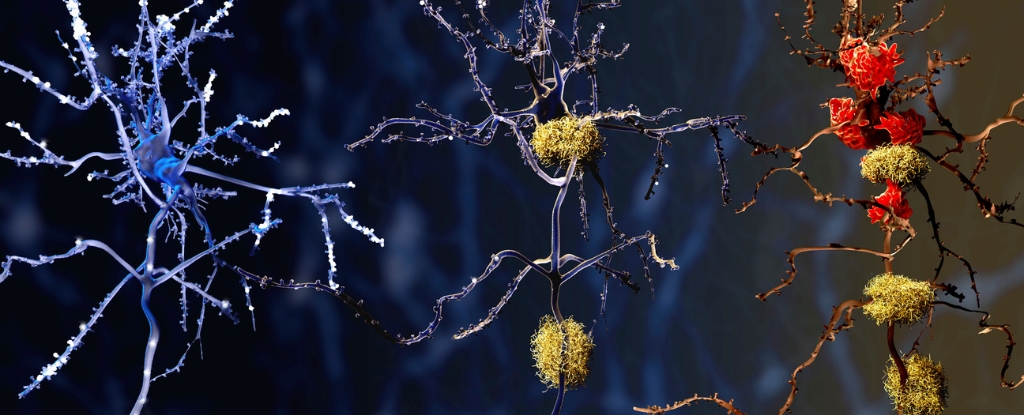
Microglia in the brains of people with Alzheimer's were more frequently in a pre-inflammatory state.
There's a new blood test for Alzheimer's. Here's everything you need to know about it. Live Science - June 13, 2025
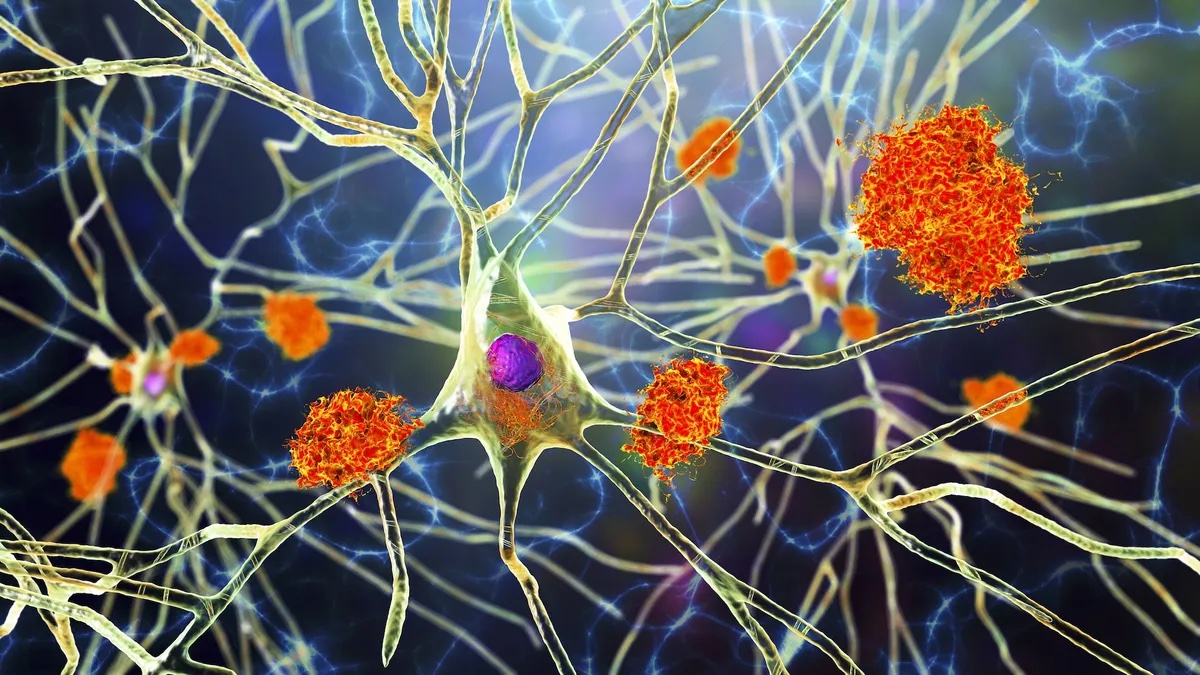
This is the first-ever blood test available for this common form of dementia.
The US Just Approved The First Blood Test For Alzheimer's Disease Science Alert - May 19, 2025

This could help patients begin treatment earlier with newly approved drugs that slow the progression of the devastating neurological disease.
Deep sleep could be key to forestalling slow declines in brain health that may one day lead to Alzheimer's disease, the most common form of dementia Science Alert - February 27, 2025
Think of deep sleep almost like a life raft that keeps memory afloat, rather than memory getting dragged down by the weight of Alzheimer's disease pathology.

Neurologists at a memory clinic in China diagnosed a 19-year-old with what they believed to be Alzheimer's disease, making him the youngest person ever to be diagnosed with the condition in the world Science Alert - October 11, 2024
The male teenager began experiencing memory decline around age 17, and the cognitive losses only worsened over the years. Imaging of the patient's brain showed shrinkage in the hippocampus, which is involved in memory, and his cerebrospinal fluid hinted at common markers of this most common form of dementia. Alzheimer's disease (AD) is often thought of as an old person's ailment, and yet early-onset cases, which include patients under the age of 65, account for up to 10 percent of all diagnoses.
Breakthrough Alzheimer's Drug Targets Key 'Hotspots' to Suppress Toxic Tangles Science Alert - October 10, 2024
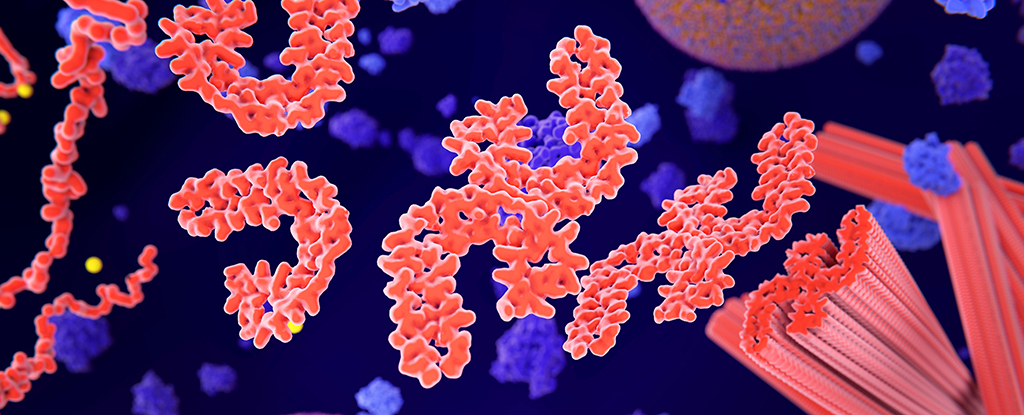
Brains affected by Alzheimer's disease are characterized by damaging clumps and tangles that interfere with neurons Ð but a new study describes a drug that could potentially suppress half the problem.
Study of 500,000 Medical Records Links Viruses With Alzheimer's Again And Again Science Alert - October 5, 2024
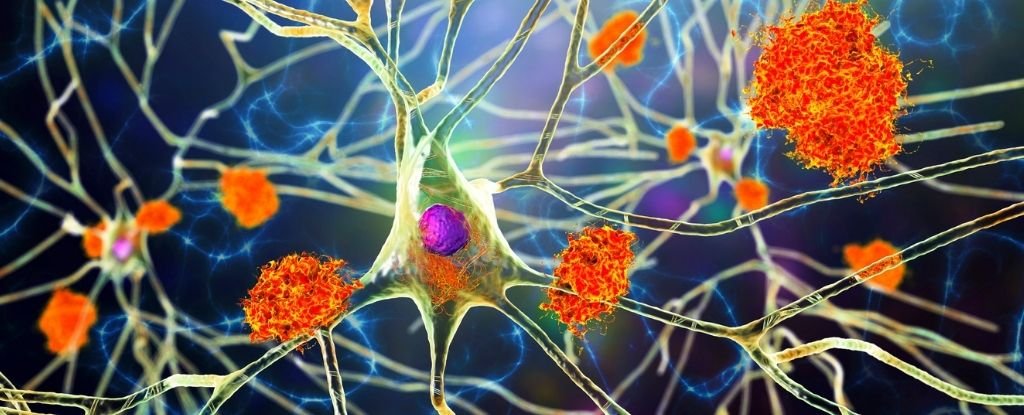
A study of around 500,000 medical records suggested that severe viral infections like encephalitis and pneumonia increase the risk of neurodegenerative diseases like Parkinson's and Alzheimer's. Researchers found 22 connections between viral infections and neurodegenerative conditions in the study of around 450,000 people. People treated for a type of inflammation of the brain called viral encephalitis were 31 times more likely to develop Alzheimer's disease. (For every 406 viral encephalitis cases, 24 went on to develop Alzheimer's disease - around 6 percent.)
New Shingles Vaccine Does Even Better Job of Delaying Onset of Dementia Science Alert - July 30, 2024
A recent study has suggested Shingrix, a relatively new vaccine given to protect older adults against shingles, may delay the onset of dementia. This might seem like a bizarre link, but actually, research has previously shown an older version of the shingles vaccine, Zostavax, reduced the risk of dementia. Shingles is a viral infection caused by the varicella-zoster virus. It causes painful rashes, and affects older people in particular.
Scientists Name New Type of Memory Loss Often Mistaken For Alzheimer's Science Alert - July 30, 2024
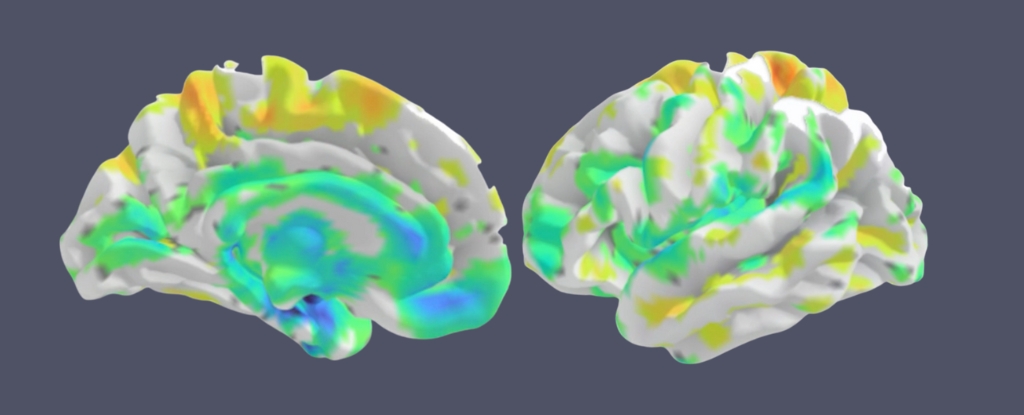
A little-known form of dementia, easily mistaken for Alzheimer's disease, now has a brand new name and specific diagnostic criteria. Researchers are calling it limbic-predominant amnestic neurodegenerative syndrome (LANS), and they hope that their work makes it easier for medical professionals to care for and counsel patients with various forms of memory loss.
This New Blood Test Identifies Alzheimer's Memory Loss With 90% Accuracy Science Alert - July 29, 2024

Human brains are destined to fail. Determining whether memory decline is a sign of more than typical aging requires technology that isn't always available, leaving specialists to rely solely on their experience and judgment to spot signs of dementia.
Some People Are Strangely Resistant to Alzheimer's. Here's What Makes Them Different Science Alert - May 29, 2024
A team of researchers led by scientists from the Netherlands Institute for Neuroscience looked at brain tissue samples stored at the Netherlands Brain Bank, a repository of donated brains from more than 5,000 people who died with a brain disease. Among those thousands of samples, the team found just 12 who had been cognitively healthy prior to their death yet had clear neurological signs of the disease's underlying pathology. Beyond demonstrating just how rare it is for brains to avoid the debilitating effects of Alzheimer's, the small sample gave the team an opportunity to learn what might make such brains so resilient
Something In Pomegranates May Help The Brain Stave Off Alzheimer's Science Alert - May 29, 2024
A substance found in foods like pomegranates, strawberries, and walnuts restored the ability to detect and remove damaged cells in mice modeling Alzheimer's disease, scientists report in a new paper.
Scientists Find Gene Variant Giving Up to 70% Protection Against Alzheimer's Science Alert - April 12, 2024
A newly discovered variant in the FN1 gene, which is responsible for making the fibronectin protein, reduces the likelihood of developing Alzheimer's by up to 70 percent. This finding could lead to more effective treatments for the disease. Researchers looked closely at a particular group of people: those with another gene variant called APOEe4 who had never developed Alzheimer's. Considering APOEe4 significantly increases the risk of getting the disease, they suspected there might be a counterbalance. Sure enough, genome sequencing of 10,763 individuals across two groups of people, revealed the protective effects of a specific FN1 variant in people with APOEe4. The FN1 variant seems to be helping to regulate the amount of fibronectin in the brain.
New Alzheimer's Link Points to Immune Attack And Blood-Brain Barrier Science Alert - January 25, 2024
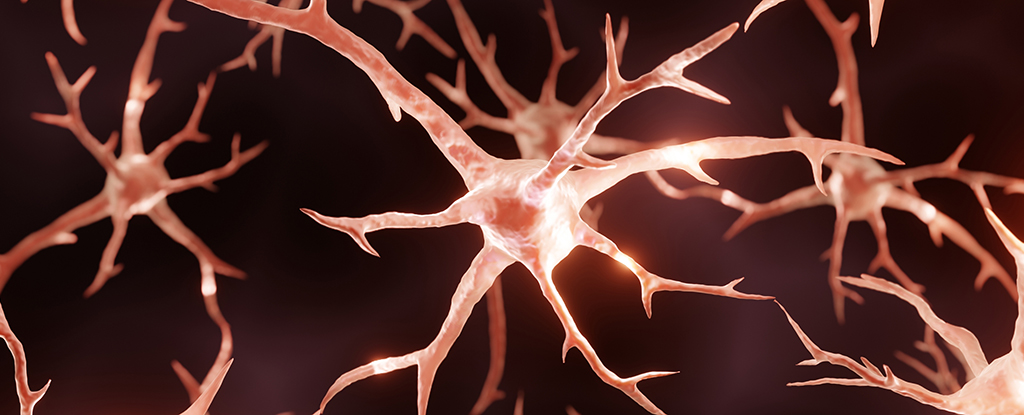
A study has looked closely at a genetic variant of a protein-modifying enzyme which has previously been linked to an increased risk of late-onset Alzheimer's. The variant, called P460L, interferes with the function of the EphA1 gene, which is important in cell communication, movement, and development. The aims of the study were to investigate exactly how this interference might contribute to Alzheimer's risk. Through a series of tests on lab-grown cells, the team was able to establish that P460L disrupts the way that EphA1 controls T cells, the white blood cells that play a crucial part in the running of the body's immune response. The genetic variant also affects the way that the blood-brain barrier - vital in screening potentially harmful materials from reaching the nerves - is managed through EphA1. This may cause a scenario where the brain's usual defenses are weakened.
Toxic Tiny RNA Molecules Identified as Culprit in Alzheimer's Neuron Death Science Alert - January 24, 2024

Toxic strands of RNA known to cause cells to self-destruct have been found in both Alzheimer's and aging brains, suggesting a new approach to treating neurodegenerative diseases such as dementia.
Alzheimer's comes in at least 5 distinct forms, study reveals Science Alert - January 24, 2024
Scientists have identified five subtypes of Alzheimer's disease, and they say the discovery represents the "first step" toward developing personalized treatments for the widespread condition. In a new study, scientists were able to sort more than 400 patients with Alzheimer's into five groups based on the levels of specific proteins in their cerebrospinal fluid (CSF), the clear liquid that surrounds the brain and spinal cord. These proteins are linked to biological processes that get derailed in Alzheimer's, such as the formation of new proteins and brain inflammation. The five groups also displayed clear differences in their genetics and the clinical characteristics of their disease, such as the rate at which their symptoms progressed.
New blood test that screens for Alzheimer's may be a step closer to reality, study suggests CNN - January 22, 2024
Testing a person's blood for a type of protein called phosphorylated tau, or p-tau, could be used to screen for Alzheimer's disease with high accuracy, even before symptoms begin to show, a new study suggests. The study involved testing blood for a key biomarker of Alzheimer's called p-tau217, which increases at the same time as other damaging proteins - beta amyloid and tau - build up in the brains of people with the disease. Currently, to identify the buildup of beta amyloid and tau in the brain, patients undergo a brain scan or spinal tap, which often can be inaccessible and costly. Alzheimer's among seniors is most common in these parts of the US, first-of-its-kind data shows
But this simple blood test was found to be up to 96% accurate in identifying elevated levels of beta amyloid and up to 97% accurate in identifying tau.
This is true. Mental illness the inability of the brain to function properly which leads to other disorders.
Alzheimer's Is Linked to Stress And Depression, And We May Know Why Science Alert - October 16, 2023

Alzheimer's disease is partly genetic - studying the genes that delay decline in some may lead to treatments for all Medical Express - September 16, 2023

Diseases that run in families usually have genetic causes. Some are genetic mutations that directly cause the disease if inherited. Others are risk genes that affect the body in a way that increases the chance someone will develop the disease. In Alzheimer's disease, genetic mutations in any of three specific genes can cause the disease, and other risk genes either increase or decrease the risk of developing Alzheimer's.
A Completely New Cause of Alzheimer's Uncovered in Our Brain's White Matter Science Alert - September 14, 2023

Before we can develop a cure for Alzheimer's and related dementia diseases, we need to figure out how they get started and how they develop in the brain. A newly discovered chemical pathway could offer up some clues. The researchers discovered that the microglia cells themselves are also destroyed as they sweep away the damaged myelin, seemingly by overdosing on iron that is contained within the white matter in significant quantities. In effect, the scientists say, the microglia immune cells are dying in the line of duty as they try to keep the brain safe.
Scientists discover new cause of Alzheimer's, vascular dementia Medical Express - September 6, 2023
A new study reveals for the first time that a form of cell death known as ferroptosis - caused by a buildup of iron in cellsÑdestroys microglia cells, a type of cell involved in the brain's immune response, in cases of Alzheimer's and vascular dementia.
Neurologists at a memory clinic in China diagnosed a 19-year-old with what they believe to be Alzheimer's disease, making him the youngest person to be diagnosed with the condition in the world Science Alert - July 21, 2023

Neurologists at a memory clinic in China diagnosed a 19-year-old with what they believe to be Alzheimer's disease, making him the youngest person to be diagnosed with the condition in the world.
Alzheimer's May Not Actually Be a Brain Disease, Expert Says - It May Be An Autoimmune Disease Science Alert - March 31, 2023
Based on our past 30 years of research, we no longer think of Alzheimer's as primarily a disease of the brain. Rather, we believe that Alzheimer's is principally a disorder of the immune system within the brain. The immune system, found in every organ in the body, is a collection of cells and molecules that work in harmony to help repair injuries and protect from foreign invaders.
When a person trips and falls, the immune system helps to mend the damaged tissues. When someone experiences a viral or bacterial infection, the immune system helps in the fight against these microbial invaders.
Neurologists Diagnose The Youngest Case of Alzheimer's Ever Reported Science Alert - February 16, 2023

Neurologists at a memory clinic in China have diagnosed a 19-year-old with what they believe to be Alzheimer's disease, making him the youngest person to be diagnosed with the condition in the world.
FDA Approves New Alzheimer's Drug Designed to Slow Cognitive Decline Science Alert - January 9, 2023
The US Food and Drug Administration (FDA) on Friday approved a highly anticipated new drug designed to slow cognitive decline in patients in mild and early stages of Alzheimer's disease. The FDA approval of the drug, Leqembi, also known as lecanemab, comes just days after the regulatory agency was harshly criticized in a congressional report for its green-lighting of another Alzheimer's drug, Aduhelm.
Video: Expert provides perspective on FDA approval of another experimental Alzheimer's drug PhysOrg - January 9, 2023
The Food and Drug Administration (FDA) granted accelerated approval of a disease-modifying treatment that could potentially give some patients with Alzheimer's disease something they haven't had before: a medication that may slow the decline of memory and thinking. A monoclonal antibody, lecanemab, shows promise in removing amyloid plaques from the brain, according to phase 3 trial results. Amyloid plaques are one of the defining features of Alzheimer's disease.
New Blood Test Accurately Predicts Alzheimer's Years Ahead of First Symptoms Science Alert - December 22, 2022
A new type of blood test can detect a hidden toxin behind Alzheimer's disease years before a patient shows any symptoms of memory loss or confusion. If the proof-of-concept can be further tested and scaled, the test could significantly speed up diagnosis, giving millions of patients answers and access to proper care long before their disease progresses.
New blood test can detect 'toxic' protein years before Alzheimer's symptoms emerge, study shows Medical Express - December 6, 2022
Research has shown that the seeds of Alzheimer's are planted years - even decades - earlier, long before the cognitive impairments surface that make a diagnosis possible. Those seeds are amyloid beta proteins that misfold and clump together, forming small aggregates called oligomers. Over time, through a process scientists are still trying to understand, those "toxic" oligomers of amyloid beta are thought to develop into Alzheimer's.
Alzheimer's drug lecanemab - the first drug to slow the destruction of the brain in Alzheimer's - has been heralded as momentous. The research breakthrough ends decades of failure and shows a new era of drugs to treat Alzheimer's - the most common form of dementia - is possible. BBC - November 30, 2022
Yet the medicine, lecanemab, has only a small effect and its impact on people's daily lives is debated. And the drug works in the early stages of the disease, so most would miss out without a revolution in spotting it.
We Just Got More Evidence That Two Common Viruses Can Team Up to Trigger Alzheimer's Science Alert - August 16, 2022
An experiment on model brains has added more evidence to the hypothesis that the viruses responsible for chickenpox and herpes can team up to cause Alzheimer's disease. While the claim continues to be fiercely debated, researchers at Tufts University and The University of Oxford argue they have just demonstrated the presence of two viruses in tandem can promote an excess of proteins responsible for Alzheimer's characteristic brain plaques.
Peptide delivered by nasal spray can reduce seizure activity, protect neurons in Alzheimer's, epilepsy Medical Express - August 16, 2022
A novel peptide augments the brain's natural mechanism to help prevent seizures and protect neurons in research models of both Alzheimer's and epilepsy, scientists report.
An additional 42 genes connected to the development of Alzheimer's disease have been uncovered in the largest study of genetic risk for Alzheimer's to date CNN - April 7, 2022
This is a landmark study in the field of Alzheimer's research and the culmination of 30 years' work. 60-80% of disease risk is based on our genetics and therefore we must continue to seek out the biological causes and develop much-needed treatments for the millions of people affected worldwide. Many people confuse this impairment, often called MCI, with normal aging, but it is different -- around one-third of people with mild cognitive impairment develop dementia due to Alzheimer's disease within five years, according to the research. Depending on the type of MCI people have, they might have trouble remembering conversations, keeping track of things, maintaining their train of thought during a conversation, navigating a usually familiar place or completing everyday tasks, such as paying a bill. Some individuals don't increasingly decline, and others revert to normal function, according to the report.
Most people don't know these possible signs of early Alzheimer's CNN - March 15, 2022
If you're not familiar with the term "mild cognitive impairment," you're not the only one. More than 80% of Americans aren't familiar with this condition that affects up to 18% of people ages 60 and older and can lead to Alzheimer's disease, a new survey has found. Mild cognitive impairment is an early stage of subtle memory loss or other cognitive ability loss, such as language or visual/spatial perception, according to research published Tuesday in the Alzheimer's Association's 2022 Alzheimer's Disease Facts and Figures report. The signs can be serious enough to be noticed by the affected person and loved ones, yet mild enough that the affected person can maintain their ability to do most activities of daily living.
Signs of Alzheimer's disease may be detectable before significant symptoms are obvious Medical Express - October 7, 2021
Healthy people with a higher genetic risk of Alzheimer's disease may show differences in brain structure and in cognitive test scores relating to reasoning and attention, according to a new study.
Researchers uncover epigenetic drivers for Alzheimer's disease Medical Express - September 28, 2020
New findings suggest that late-onset Alzheimer's Disease is driven by epigenetic changes how and when certain genes are turned on and off in the brain. Epigenetic changes alter gene expression without DNA mutation, but rather by marking proteins that package and protect DNA, called histones
Research confirms link between sleep apnea and Alzheimer's disease Medical Express - September 28, 2020
The study showed the severity of sleep apnea was linked with a corresponding build-up of amyloid plaques. New research has confirmed long-suspected links between sleep apnea and Alzheimer's disease, finding identical signs of brain damage in both conditions. While the cause of Alzheimer's disease remains a mystery, amyloid plaques that are toxic to brain cells are known indicators of the disease. The new research showed these plaques start in the same place and spread in the same way in the brains of people with obstructive sleep apnea, as in those with Alzheimer's.
Cells study helping to crack the code to Alzheimer's disease Medical Express - June 25, 2019
Alzheimer's disease is the most common form of dementia in older people and, as there are no effective treatments, is one of the leading contributors to the global disease burden. Various genes have been implicated in the changes that happen in the brains of Alzheimer's patients. What is not known is how the activity of the genes - called gene expression - affects the many different cells of the brain.
The study ....
Consistent gene changes in Alzheimer's disease across studies Medical Express - June 25, 2019
A comparison of mouse Alzheimer's disease models shows changes in the number of cells and the genes they express remain consistent throughout all stages of the disease.
New blood test for detecting Alzheimer's disease Medical Express - June 25, 2019
Researchers have developed a method to create a new blood marker capable of detecting whether or not a person has Alzheimer's disease. If the method is approved for clinical use, the researchers hope eventually to see it used as a diagnostic tool in primary healthcare. This autumn, they will start a trial in primary healthcare to test the technique.
A first-of-its-kind national study has found that a form of brain imaging that detects Alzheimer's-related "plaques" significantly influenced clinical management of patients with mild cognitive impairment and dementia Medical Express - April 2, 2019
The study revealed that providing clinicians with the results of positron emission tomography (PET) scans that identify amyloid plaques in the brain changed medical management - including the use of medications and counseling - in nearly two-thirds of cases, more than double what researchers predicted in advance of the study. The technique, known as "amyloid PET imaging," also altered the diagnosis of the cause of cognitive impairment in more than one in three study participants
Alzheimer's-like symptoms reversed in mice - Special diet with compounds contained in green tea and carrots restored working memory Science Daily - March 6, 2019
Nevertheless, the findings lend credence to the idea that certain readily available, plant-based supplements might offer protection against dementia in humans.
What Defines Different Dementias? Alzheimer's disease is the most common form of dementia among older people Live Science - October 24, 2018
Typically, the first symptoms of the disease are difficulties with short-term memory, such as having trouble remembering recent conversations, events or people's names. Other early symptoms can include having trouble finding words during conversations or reduced problem-solving abilities, such as in managing finances. Depression and loss of interest in some activities are also common.
Scientists reveal ground-breaking plan to target cause of Alzheimer's disease Medical Express - September 24, 2018
A breakthrough has been made in the fight against Alzheimer's diseaseÑresearchers have found a new way to target the toxic particles that destroy healthy brain cells. This is the first time that a systematic method to go after the pathogens - the cause of Alzheimer's disease - has been proposed. Until very recently scientists couldn't agree on what the cause was so we didn't have a target. As the pathogens have now been identified as small clumps of proteins known as oligomers, we have been able to develop a strategy to aim drugs at these toxic particles.
Music activates regions of the brain spared by Alzheimer's disease PhysOrg - April 27, 2018
Ever get chills listening to a particularly moving piece of music? You can thank the salience network of the brain for that emotional joint. Surprisingly, this region also remains an island of remembrance that is spared from the ravages of Alzheimer's disease.
Which genetic marker is the ring leader in the onset of Alzheimer's disease? Medical Express - September 4, 2017
The notorious genetic marker of Alzheimer's disease and other forms of dementia, ApoE4, may not be a lone wolf. Researchers have found that another gene, TOMM40, complicates the picture. Although ApoE4 plays a greater role in some types of aging-related memory ability, the researchers believe that TOMM40 may pose an even greater risk for other types. TOMM40 and APOE genes are neighbors, adjacent to each other on chromosome 19, and they are sometimes used as proxies for one another in genetic studies. At times, scientific research has focused chiefly on one APOE variant, ApoE4, as the No. 1 suspect behind Alzheimer's and dementia-related memory decline. The literature also considers the more common variant of APOE, ApoE3, neutral in risk for Alzheimer's.
To Understand Sex Differences In Alzheimer's Disease, We Need To Understand Risk Factors Across The Lifespan Huffington Post - July 11, 2017
The long course of AlzheimerÕs disease: Put simply, AlzheimerÕs disease (AD) can be conceptualized as two stages: a clinically silent stage, where brain pathologies are present, but symptoms are absent; and a symptomatic stage, where individuals show signs of dementia (this typically involves memory impairment as well as an inability to live independently). Although there is debate regarding what criteria should be used to classify the clinically silent stage, there is consensus in the field that the pathological drivers of AD, the brain accumulation of amyloid and tau proteins, begin decades before symptoms occur.
6 Big Mysteries of Alzheimer's Disease Live Science - September 26, 2016
Despite intensive, worldwide research efforts for more than three decades to better understand Alzheimer's disease, there are still numerous mysteries surrounding the condition. Alzheimer's disease is a slowly progressing brain disorder. In people with the condition, abnormal deposits of a protein called amyloid-beta forms sticky plaques in the brain, and strands of the protein tau twist around, causing tangles that ultimately kill brain cells and cause a loss of memory, thinking and reasoning skills. About 5.4 million Americans currently have Alzheimer's disease, and the number is expected to grow rapidly in the coming years as a larger share of the population ages, according to the Centers for Disease Control and Prevention.
Alzheimer's stemmed but not stopped, say experts Medical Express - September 19, 2016
Soaring rates of population growth and aging have long been seen as portending a global explosion of Alzheimer's, the debilitating disease that robs older people of their memory and independence. But an unexpected, and hopeful, trend may be emerging. In rich countries at least, recent data suggests the rate of new cases has slowed or even reversed - a tantalizing hint that quality-of-life improvements may protect against dementia.
Alzheimer's gene may show effects on brain starting in childhood Science Daily - July 14, 2016
A gene associated with Alzheimer's disease and recovery after brain injury may show its effects on the brain and thinking skills as early as childhood, according to a new study. A gene associated with Alzheimer's disease and recovery after brain injury may show its effects on the brain and thinking skills as early as childhood.
New link found between diabetes and Alzheimer's disease Medical Express - June 21, 2016
The study reports that Alzheimer's Disease and type 2 diabetes are so closely related that drugs currently used to control glucose levels in diabetes may also alleviate the symptoms and progression of Alzheimer's disease. Research found for the first time that dementia-related complications within the brain can also lead to changes in glucose handling and ultimately diabetes. This is contrary to what was previously thought - that diabetes begins with a malfunction in the pancreas or a high fat, high sugar diet.
Men may get head start on Alzheimer's treatment, study says CNN - March 16, 2016
If you're a woman who has just been diagnosed with mild cognitive decline or Alzheimer's, you might have missed out on years of treatment that could have slowed your disease progression. That's the takeaway from a new study that compared how men and women with varying stages of memory loss respond to verbal learning tests, a key method for diagnosing Alzheimer's and other memory disorders. The female advantage in verbal memory may allow women to maintain normal cognitive function for longer as the disease progresses.
Novel Chemical 'Washes Away' Alzheimer's Plaque in Mice Live Science - December 9, 2015
Scientists in Korea have found a small molecule that, when added to the drinking water of mice bred to develop Alzheimer's disease, washed away the protein plaques associated with the disease and improved the mice's learning and memory functions. The chemical, called EPPS - short for 4-(2-hydroxyethyl)-1- piperazinepropanesulphonic acid - posed no ill effect for the mice even at high doses. The scientists hope to conduct further studies to determine whether the EPPS is safe and effective for humans with Alzheimer's disease.
DNA repair protein BRCA1 implicated in cognitive function and dementia Science Daily - November 30, 2015
Researchers have shown for the first time that the protein BRCA1 is required for normal learning and memory and is depleted by Alzheimer's disease. BRCA1 is a key protein involved in DNA repair, and mutations that impair its function increase the risk for breast and ovarian cancer. The new study demonstrates that Alzheimer's disease is associated with a depletion of BRCA1 in neurons and that BRCA1 depletion can cause cognitive deficits.
Virtual reality maze predicts Alzheimer's disease BBC - October 24, 2015
Alzheimer's disease can be detected decades before onset, using a virtual reality test, a study suggests. People aged 18 to 30 were asked to navigate through a virtual maze to test the function of certain brain cells. Those with a high genetic risk of Alzheimer's could be identified by their performance, according to German neuroscientists.
Alzheimer's Risk: Women with Memory Problems Decline Faster Than Men Live Science - July 21, 2015
Elderly women are more likely than elderly men to develop Alzheimer's disease, even when they are exposed to some of the same risk factors, two new studies find. Senior women who have mild cognitive problems, such as memory impairment and difficulties with language or thinking skills, decline in cognitive ability twice as fast as men who also have mild cognitive impairment, according to one study. A separate study found that women declined more dramatically than men in measures of cognition, function and brain size after they underwent surgery and general anesthesia.
Drug restores brain function and memory in early Alzheimer's disease Science Daily - March 11, 2015
An existing epilepsy drug reverses a condition in elderly patients who are at high risk for dementia due to Alzheimer's disease. novel therapeutic approach for an existing drug reverses a condition in elderly patients who are at high risk for dementia due to Alzheimer's disease, researchers at Johns Hopkins University found. The drug, commonly used to treat epilepsy, calms hyperactivity in the brain of patients with amnestic mild cognitive impairment (aMCI), a clinically recognized condition in which memory impairment is greater than expected for a person's age and which greatly increases risk for Alzheimer's dementia.
New non-invasive method can detect Alzheimer's disease early Science Daily - December 23, 2014
A noninvasive MRI approach that can detect the Alzheimer's disease in a living animal, well before typical Alzheimer's symptoms appear, has been developed by researchers. The research team created an MRI probe that pairs a magnetic nanostructure with an antibody that seeks out the amyloid beta brain toxins responsible for onset of the disease. The accumulated toxins, because of the associated magnetic nanostructures, show up as dark areas in MRI scans of the brain.
Imaging shows brain connection breakdown in early Alzheimer's disease PhysOrg - December 1, 2014
Changes in brain connections visible on MRI could represent an imaging biomarker of Alzheimer's disease. Alzheimer's disease is the most common form of dementia. As many as 5 million Americans are affected, a number expected to grow to 14 million by 2050. Preventive treatments may be most effective before Alzheimer's disease is diagnosed, such as when a person is suffering from mild cognitive impairment (MCI), a decline in cognitive skills that is noticeable but not severe enough to affect independent function. Previous efforts at early detection have focused on beta amyloid, a protein found in abnormally high amounts in the brains of people with Alzheimer's disease.
Bilingualism delays Alzheimer manifestation by more than four years PhysOrg - December 1, 2014
Between March 2013 and May 2014, 69 monolingual and 65 bilingual Belgian patients suffering from probable Alzheimer's disease (AD) participated in the study. Psychologists Evy Woumans, Micha‘l Stevens, and Wouter Duyck, together with neurologists Patrick Santens, Anne Sieben, and Jan Versijpt determined the age of AD manifestation and AD diagnosis for both language groups.
Different forms of Alzheimer's have similar effects on brain networks PhysOrg - August 28, 2014
Brain networks break down similarly in rare, inherited forms of Alzheimer's disease and much more common uninherited versions of the disorder, a new study has revealed. Scientists at Washington University School of Medicine in St. Louis have shown that in both types of Alzheimer's, a basic component of brain function starts to decline about five years before symptoms, such as memory loss, become obvious. The breakdown occurs in resting state functional connectivity, which involves groups of brain regions with activity levels that rise and fall in coordination with each other. Scientists believe this synchronization helps the regions form networks that work together or stay out of each other's way during mental tasks.
Rescue of Alzheimer's memory deficit achieved by reducing 'excessive inhibition' PhysOrg - June 13, 2014
A new drug target to fight Alzheimer's disease has been discovered by a research team led by Gong Chen, a Professor of Biology and the Verne M. Willaman Chair in Life Sciences at Penn State University. The discovery also has potential for development as a novel diagnostic tool for Alzheimer's disease, which is the most common form of dementia and one for which no cure has yet been found.
Study shows where Alzheimer's starts and how it spreads PhysOrg - December 23, 2013
Alzheimer's disease starts in the entorhinal cortex (yellow). Using fMRI in mouse (left) and human (right) brains, the researchers provide evidence that the disease spreads from the entohrinal cortex (yellow) to other cortical regions (red) - the perirhinal cortex and posterior parietal cortex.
Dementia cases 'set to treble worldwide' by 2050 BBC - December 5, 2013
The number of people living with dementia worldwide is set to treble by 2050, according to a new analysis. Alzheimer's Disease International says 44 million people live with the disease, but that figure will increase to 135 million by 2050. Alzheimer's Disease International expects increasing life expectancies to drive a surge in cases in poor and middle-income countries, particularly in South East Asia and Africa. Currently 38% of cases are in rich countries. But that balance is predicted shift significantly by 2050, with 71% of patients being in poor and middle-income countries.
Molecular Trigger for Alzheimer's Disease Identified Science Daily - May 21, 2013
Researchers have pinpointed a catalytic trigger for the onset of Alzheimer's disease Ð when the fundamental structure of a protein molecule changes to cause a chain reaction that leads to the death of neurons in the brain. For the first time, scientists at Cambridge's Department of Chemistry have been able to map in detail the pathway that generates aberrant forms of proteins which are at the root of neurodegenerative conditions such as Alzheimer's. They believe the breakthrough is a vital step closer to increased capabilities for earlier diagnosis of neurological disorders such as Alzheimer's and Parkinson's, and opens up possibilities for a new generation of targeted drugs, as scientists say they have uncovered the earliest stages of the development of Alzheimer's that drugs could possibly target.
Scientists Reverse Memory Loss in Animal Brain Cells Science Daily - April 17, 2013
Neuroscientists at The University of Texas Health Science Center at Houston (UTHealth) have taken a major step in their efforts to help people with memory loss tied to brain disorders such as Alzheimer's disease. Using sea snail nerve cells, the scientists reversed memory loss by determining when the cells were primed for learning. The scientists were able to help the cells compensate for memory loss by retraining them through the use of optimized training schedules.