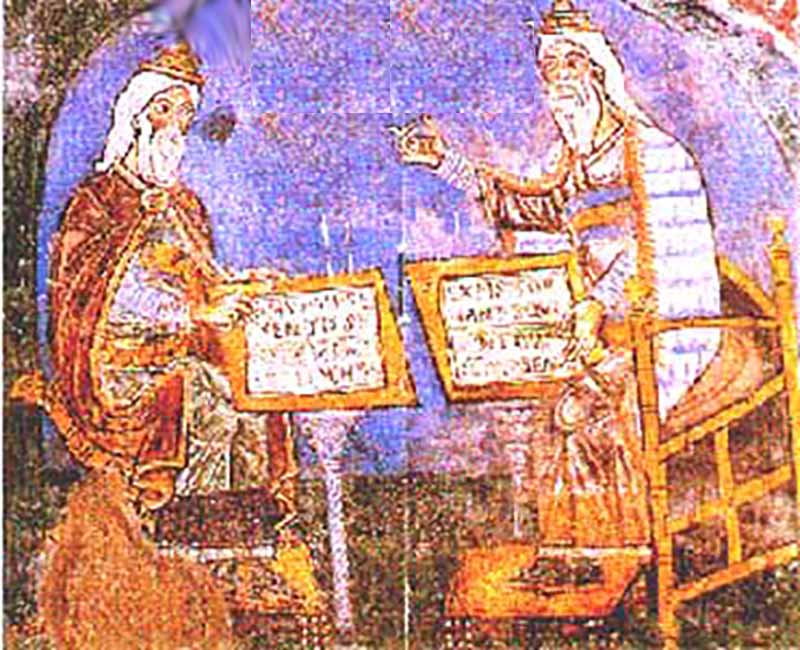
Ancient Medicine or Tradition in Medicine is a treatise in the Hippocratic Corpus, a collection of ancient Greek medical texts attributed to Hippocrates and written probably in the late 5th century BCE. As with all works in the Hippocratic Corpus, his authorship cannot be confirmed and is regarded as dubious by some historians of medicine.
As the title suggests, the treatise gives a reconstruction of the development of medicine, assuming that it was an outgrowth of the discovery by ancient people that health could be promoted by the consumption of certain foods prepared properly. Primitive peoples ate raw food and their health suffered greatly. Once they began to grind grain into flour and bake bread, and to boil strong foods, they lived longer. Some people had more delicate constitutions and required milder foods, and so the art of medicine was born.
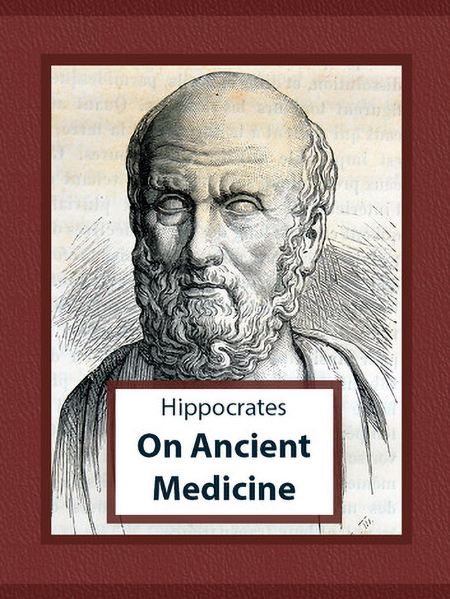
On Ancient Medicine is perhaps the most intriguing and compelling work of the Hippocratic Corpus. The Corpus itself is a collection of about sixty writings covering all areas of medical thought and practice. Traditionally associated with Hippocrates, (c. 460 BC - c. 370 BC) the father of Western medicine, philological evidence now suggests that it was written over a period of several centuries and stylistically seems to indicate that it was the product of many authors dating from about 450-400 B.C. On the basis of its diverse arguments regarding the nature of medical therapeutics, the Hippocratic Corpus could be divided into four divisions or groups.
The inclusion of this work in the Hippocratic corpus is surprising, given that it attacks the humor theory underpinning later Hippocratic and Galenic medicine. The contrast is one reason for modern skepticism about its authorship. Timeline of medicine and medical technology
Alor's healing plants: A treasure trove of medical knowledge and oral tradition PhysOrg - January 15, 2026
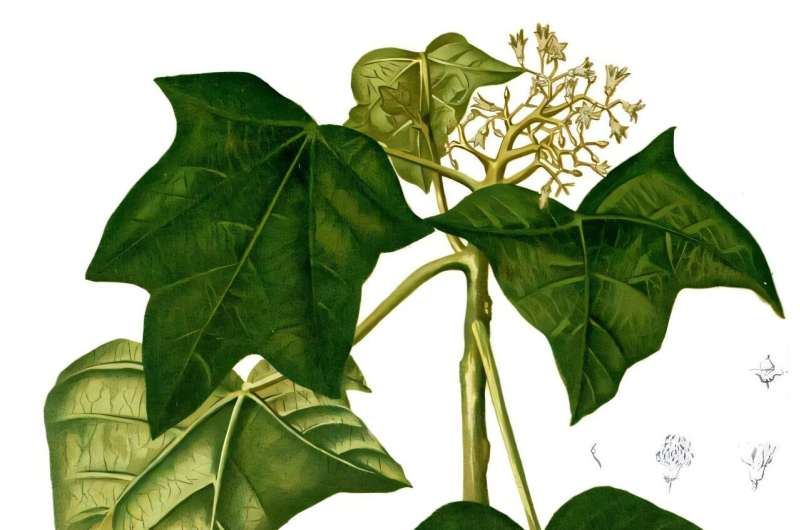
"When a child has a fever, crush a 'candlenut' (fiyaai [Aleurites moluccanus]). Add water to the mixture, and apply it to the child's body. The fever will go down."
This healing formula doesn't come from a section of the 'Hippocratic Collection' or the 'Salernitan Guide to Health', two of the most famous collections of ancient and medieval medical knowledge.
It is an Abui oral prescription from Alor, a small island in Eastern Indonesia. My team and I collected it and many others during our language documentation fieldwork.
Indigenous Indonesian communities - like the Papuan Abui people of Alor - are the custodians of very ancient knowledge. Their traditional healing practices rely on the masterful use of medicinal plants.
Through years of fieldwork and research, we have documented how the names of local healing plants, their properties, and the related treatments are integrated into everyday conversation and practice among Indigenous communities. These names even shape local human geography (toponyms) and the plots of legends and folktales.
In short, those plant names are more than just vocabulary items in endangered or undocumented languages. They provide us with leads to a treasure trove of medical knowledge, cultural history, and unrecorded oral traditions.
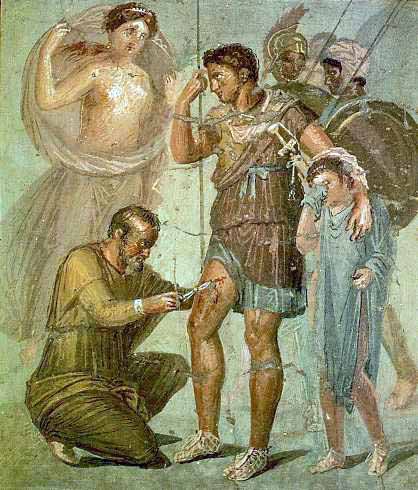
Ancient Medical Techniques, Surgery